-
Shop
- Advanced Technologies
- AI Career Advantage Collection
- AI Skills
- AI Skills for Creators & Freelancers
- AI Client Management
- AI Ethics
- AI Mindset
- AI Tools & Prompts
- AI Writing & Content Creation
- Audio, Voice & Music
- Design & Visual Creation
- Email, Messaging & Communication
- Freelancing & Business
- Marketing, Ads & Conversion
- Productivity, Workflow & Automation
- SEO & Search Optimization
- Social Media Content & Growth
- Strategy, Planning & Analytics
- Video Creation & Editing
- AI Skills Mastery 2026 Collection
- Car Accessories
- Confidence
- Dating & Social Skills
- Digital Resources
- AI & Technology
- Beauty
- Budgeting & Saving
- Car Buying & Ownership
- Cozy Feast Collection
- Electronics & Technology
- Entrepreneurship & Business Growth
- Financial Education
- Financial Independence
- Financial Mindset & Psychology
- Goal Setting
- Home Styling & Organization
- Kitchen & Recipes
- Leadership
- Mindfulness
- Mindset
- Online Business
- Parenting & Child Development
- Personal Style & Fashion
- Pet Lifestyle & Wellness
- Positive Thinking
- Sleep Improvement
- Smart Life with AI
- Stress Management & Relaxation
- Travel Planning
- Wellness
- Yoga & Fitness
- Yoga & Mind-Body Practices
- Education & Learning
- Family & Parenting
- Fashion
- Accessories
- Alexander McQueen
- Bags
- Bags & Wallets
- Belts
- Blazers
- Bottega Veneta
- Bottoms
- Brunello Cucinelli
- Chloé
- Clothing
- Dolce & Gabbana
- Dresses
- Etro
- Hats & Hair Accessories
- Hoodies & Sweatshirts
- Jacquemus
- Jil Sander
- Kiton
- Luggage
- Miu Miu
- Off-White
- Outerwear
- Rick Owens
- Scarves
- Socks & Tights
- Sweaters & Cardigans
- The Row
- Tom Ford
- Tops & Shirts
- Valentino Garavani
- Vivienne Westwood
- Watches
- Fashion Accessories
- Furniture
- Gadgets
- Health & Beauty
- Health & Wellness
- Home & Garden
- Home Supplies
- Jewelry
- Kids & Babies
- Kitchen
- Kitchen Best-Sellers
- Lighting
- Luxury Brands Collection
- Online Business for Beginners
- Patio, Lawn & Garden
- Personal Growth
- Pet Care
- Pet Supplies
- Pets
- Shoes
- Smart Amazon Shopping
- Smart Home Living Guides
- Sport & Outdoors
- Super Deals
- TikTok Growth & Monetization Mastery
- Travel
- Travel & Adventure
- Wealth
- Popular
- Best deals
Statement Necklace Styling Shortcut: Perfect Neckline Pairings
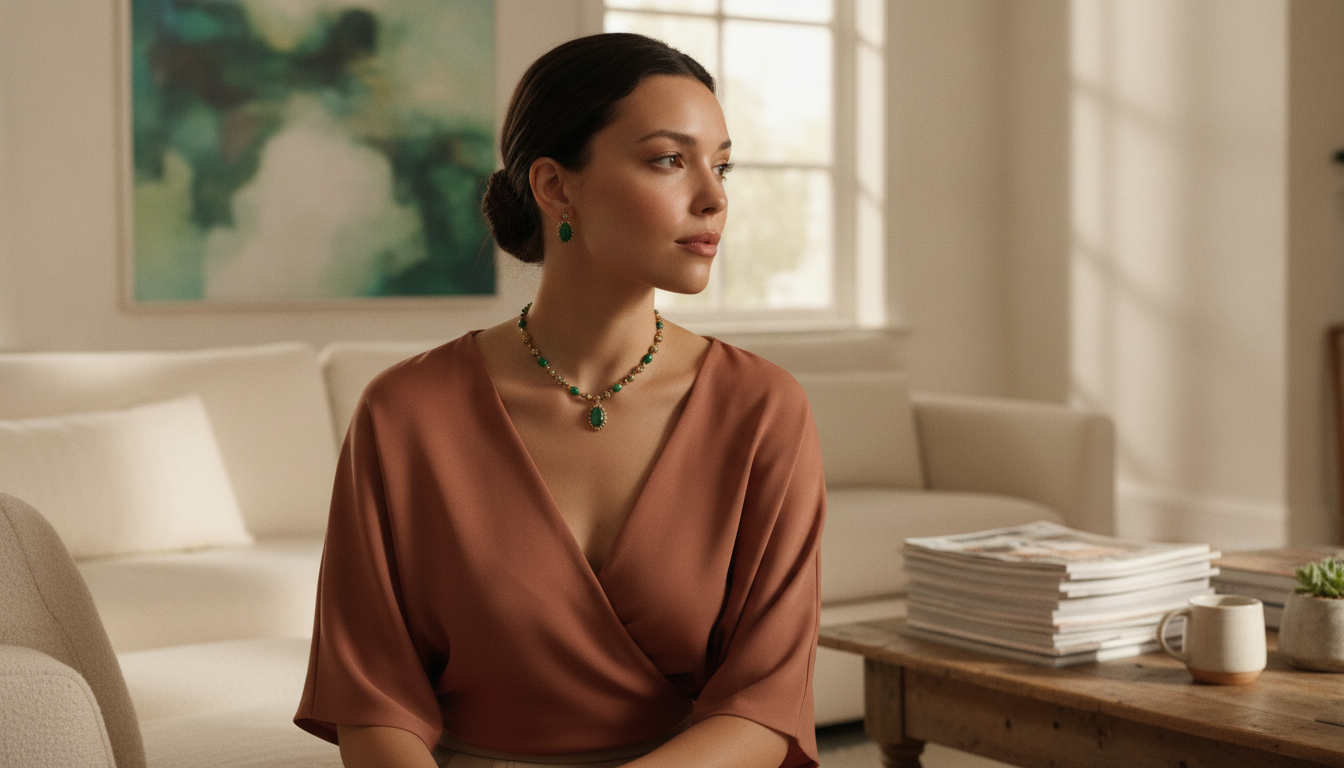
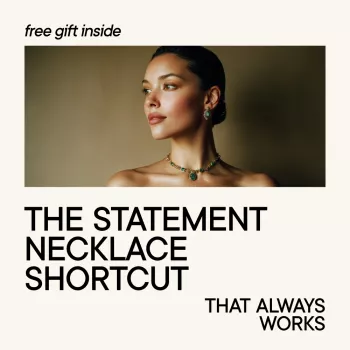
The Statement Necklace Shortcut That Always Works
A bold necklace can instantly elevate a simple outfit—if the balance is right. The most reliable shortcut is to let one piece lead and make everything else support it: clean neckline, quiet earrings, and a focused color story. Use the guide below to pick the best necklace for the neckline you’re wearing, avoid common styling clashes, and build a look that feels intentional in minutes.
The shortcut: one focal point, one clean frame
The fastest way to make a statement necklace look “styled” (not random) is to treat it like the hero of the outfit and design a clean frame around it.
- Choose the necklace first, then build the outfit around it (not the other way around).
- Keep the neckline uncluttered—solid color or minimal print works best for most bold pieces.
- Limit competing statement zones: if the necklace is large, scale earrings down; if earrings are bold, keep the necklace minimal or skip it.
- Repeat one detail from the necklace in the outfit (metal tone, one color, or a shape) so the look reads cohesive in seconds.
Match the necklace to the neckline (fast pairing guide)
Think in terms of “negative space.” The necklace should sit inside the open area of your neckline—or intentionally on top of fabric—rather than fighting the clothing line.
- Aim for visible negative space: the necklace should be clearly seen and not get swallowed by folds or collars.
- For high necks, go longer (opera/rope) or choose a bold collar that sits on top of the fabric on purpose.
- For V-necks, mirror the angle with a V-shaped drop or pendant for a clean, lengthening line.
- For strapless and sweetheart necklines, collar or bib styles usually look the most polished.
Neckline-to-necklace pairings that rarely fail
| Neckline | Best statement styles | Length that works | Quick avoid |
|---|---|---|---|
| Crew neck / tee | Collar, bib, chunky chain | 16–18 in | Very long pendants that disappear under fabric folds |
| V-neck | Y-necklace, drop, angled bib | 18–24 in | Round collars that clash with the V |
| Button-down / collared shirt | Collar over the shirt, bold chain tucked under collar points | 16–20 in | Tiny delicate pieces that get lost in the placket |
| Off-shoulder / strapless | Collar, bib, sculptural piece | 14–18 in | Long pieces that break the open neckline |
| Turtleneck | Opera/rope, dramatic pendant, layered long chains | 24–36 in | Short necklaces squeezed at the neck (unless intentionally a collar) |
| Boat neck | Sculptural collar or medium-length pendant | 18–24 in | Wide bibs that compete with the horizontal line |
Build the outfit in three steps (so it looks intentional)
When time is short, lean on a simple three-step build that keeps the necklace looking crisp and deliberate.
- Step 1: Pick a base color that lets the necklace read clearly—black, white, denim, camel, or a solid jewel tone.
- Step 2: Echo one element: match metal to hardware (belt buckle, bag clasp) or repeat one color from stones/beads in a shoe or lip color.
- Step 3: Control texture: pair shiny necklaces with matte fabrics for contrast; pair textured necklaces with smooth fabrics to avoid visual noise.
- If a print is non-negotiable, choose one with a quiet background and a larger motif (tiny busy prints compete most with bold jewelry).
The “quiet earrings” rule (and when to break it)
Big necklace energy is easiest to pull off when the earrings stay understated—at least by default.
- Default: studs, small hoops, or sleek ear cuffs when wearing a bib/collar/chunky chain.
- If the necklace is bright or oversized, keep earrings close to the lobe so the face stays the focal point.
- When it’s okay to break the rule: monochrome sets (same metal/stone family) or ultra-clean outfits (solid dress, hair pulled back).
- If both necklace and earrings are bold, skip other standout accessories (statement belt, stacked bangles) to avoid competing focal points.
Balance scale with body lines and outfit structure
Instead of chasing strict “dos and don’ts,” use structure and proportion to keep the necklace flattering and wearable.
- Use structure as an anchor: blazers, crisp shirts, and tailored necklines support larger jewelry better than slouchy layers.
- Consider proportion: shorter torsos often look best with collar-to-princess lengths; longer torsos can carry opera lengths easily.
- If the necklace is wide (bib/collar), keep the neckline open and avoid bulky scarves or high ruffle collars.
- If the necklace is long, keep the midline clean—avoid long cardigans, busy lapels, and competing vertical details.
Common mistakes that make bold necklaces look “off” (quick fixes)
Easy outfit formulas that showcase a statement necklace
A quick option for practicing the shortcut
Recommended reads & guides (in stock)
- The Statement Necklace Shortcut That Always Works – The Ultimate Guide to Wearing Bold Jewelry
- Turning Your House into a Glowing Retreat: Cozy Home Lighting Tips & Guides
Care notes worth knowing
A statement necklace looks best when it’s clean, bright, and comfortable to wear. For practical cleaning and handling basics, see GIA’s jewelry care and cleaning guidance. If you’re curious how bold adornment has shown up across cultures and eras, the Smithsonian’s jewelry spotlight is a great reference.
FAQ
Can a statement necklace be worn with a patterned top?
Yes—choose a pattern with a calm background and keep the necklace in one metal tone or one dominant color. Avoid tiny busy prints paired with multi-color beading, since both compete for attention.
What length is most versatile for a bold necklace?
Princess length (about 18 inches) is usually the easiest with tees, crew necks, and open necklines. Add an extender to quickly adapt the drop for V-necks and higher necklines.
Do statement necklaces go out of style?
Specific shapes and materials shift over time, but the idea of one bold focal piece stays relevant. Updating the silhouette—like a chunky chain, sculptural collar, or modern pendant—keeps the look current.
Recommended for you
Pink Leaf Tufted Bath Mat: Plush, Spa-Style Comfort
Jun 23, 2026








Leave a comment