-
Shop
- Advanced Technologies
- AI Career Advantage Collection
- AI Skills
- AI Skills for Creators & Freelancers
- AI Client Management
- AI Ethics
- AI Mindset
- AI Tools & Prompts
- AI Writing & Content Creation
- Audio, Voice & Music
- Design & Visual Creation
- Email, Messaging & Communication
- Freelancing & Business
- Marketing, Ads & Conversion
- Productivity, Workflow & Automation
- SEO & Search Optimization
- Social Media Content & Growth
- Strategy, Planning & Analytics
- Video Creation & Editing
- AI Skills Mastery 2026 Collection
- Car Accessories
- Confidence
- Dating & Social Skills
- Digital Resources
- AI & Technology
- Beauty
- Budgeting & Saving
- Car Buying & Ownership
- Cozy Feast Collection
- Electronics & Technology
- Entrepreneurship & Business Growth
- Financial Education
- Financial Independence
- Financial Mindset & Psychology
- Goal Setting
- Home Styling & Organization
- Kitchen & Recipes
- Leadership
- Mindfulness
- Mindset
- Online Business
- Parenting & Child Development
- Personal Style & Fashion
- Pet Lifestyle & Wellness
- Positive Thinking
- Sleep Improvement
- Smart Life with AI
- Stress Management & Relaxation
- Travel Planning
- Wellness
- Yoga & Fitness
- Yoga & Mind-Body Practices
- Education & Learning
- Family & Parenting
- Fashion
- Fashion Accessories
- Furniture
- Gadgets
- Health & Beauty
- Health & Wellness
- Home & Garden
- Home Supplies
- Jewelry
- Kids & Babies
- Kitchen
- Kitchen Best-Sellers
- Lighting
- Online Business for Beginners
- Patio, Lawn & Garden
- Personal Growth
- Pet Care
- Pet Supplies
- Pets
- Shoes
- Smart Amazon Shopping
- Smart Home Living Guides
- Sport & Outdoors
- Super Deals
- TikTok Growth & Monetization Mastery
- Travel
- Travel & Adventure
- Wealth
- Popular
- Best deals
Solo Travel Safety System for Women: Plan, Move, Respond

Lady’s System to Travel Alone without Fear: Practical Solo Travel Safety Tips for Women
Solo travel can feel empowering and intimidating at the same time. A reliable safety system reduces uncertainty by turning “what if” worries into concrete routines: how to plan, how to move through unfamiliar places, what to do if something feels off, and how to recover quickly if plans change. This guide lays out a calm, repeatable approach that helps solo women travelers stay aware, prepared, and confident—without sacrificing spontaneity.
A simple safety framework: Plan, Prepare, Move, Respond
Think of safety as a loop you can repeat in any city or country. Instead of trying to control every variable, use a framework that keeps decisions simple when you’re tired, rushed, or overstimulated.
Plan
Choose neighborhoods strategically, map key routes (airport/station to lodging, lodging to transit), and set check-in expectations before you leave. When your arrival plan is clear, you spend less time standing still with your phone out—an easy target moment in any destination.
Prepare
Build redundancy: documents, money, backups, digital security, and “what if” contingencies (lost phone, missed train, medical issue). Preparation isn’t pessimism—it’s what keeps a small problem from turning into a spiral.
Move
Use real-time habits: situational awareness, firm boundaries, smart transport choices, and low-friction exits. The goal isn’t constant vigilance; it’s noticing early and adjusting fast.
Respond
Have scripts and steps for harassment, scams, theft, or that unmistakable “something is off” feeling—plus a way to get help quickly. When a response is already decided, confidence follows.
Before you go: destination and lodging choices that reduce risk
Many safety wins happen before you ever board the plane. Start with the two biggest variables you can control: where you stay and how you arrive.
- Pick lodging with reliable access control: 24/7 reception or secure self-check-in, a well-lit entrance, and a clearly listed street address.
- Prefer locations with walkable essentials (transit, groceries, pharmacies) so you’re not forced into late-night rides or isolated routes.
- Read reviews for patterns: repeated mentions of “sketchy area,” poor lighting, broken locks, or staff dismissing concerns.
- Arrive in daylight when possible; if arrival is late, pre-book transport and confirm the exact pickup point.
- Share a “travel card” with a trusted contact: itinerary highlights, lodging info, emergency contacts, and insurance details.
Pre-trip safety checklist (quick scan)
| Area | Do this | Backup plan |
|---|---|---|
| Lodging | Confirm check-in method and door/room security | Have a second hotel/hostel option bookmarked |
| Arrival | Plan route from airport/station to lodging | Pre-book a licensed ride or know official taxi queue |
| Money | Carry two payment methods + some cash | Keep spare card/cash separate from wallet |
| Documents | Store digital copies securely | Carry a paper copy of key numbers/addresses |
| Comms | Set check-in times with a contact | Agree on escalation steps if check-in is missed |
For destination-specific advisories and entry requirements, use official sources like the U.S. Department of State and the CDC Travelers’ Health.
Digital safety: phone, accounts, location sharing, and privacy
Your phone is your map, wallet backup, translator, and lifeline—so treat it like critical gear.
On-the-ground habits: awareness without anxiety
Transport safety: taxis, rideshares, driving, and walking at night
Boundaries and scripts: handling unwanted attention and common scams
If something goes wrong: quick response steps that work
A structured safety toolkit: Lady’s System to Travel Alone without Fear
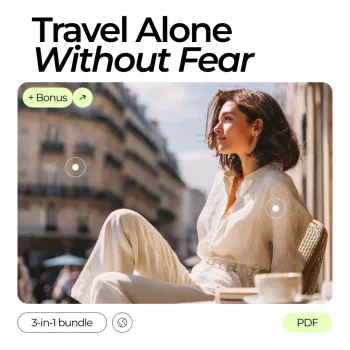
If you prefer clarity over vague advice, a step-by-step toolkit can make solo travel feel more doable—especially on first trips, in crowded transit hubs, or when plans change abruptly. Lady’s System to Travel Alone without Fear – Solo Travel for Women Safety Tips is designed as a practical routine builder: pre-trip checklists, daily habits, and simple decision rules you can repeat anywhere.
Helpful add-ons (for planning and peace of mind)
- PayPal for Buying a Car: The Ultimate Guide to Using PayPal for Car Purchases – Pros, Cons & Step-by-Step Tips (useful when a trip involves a vehicle purchase or long-term rental logistics).
- Turning Your House into a Glowing Retreat: Cozy Home Lighting Tips & Guides (helpful for setting up a comfortable home base before or after extended travel).
When a structured system helps most
| Situation | Common challenge | What a system provides |
|---|---|---|
| First solo trip | Overwhelm and second-guessing | Clear steps and priorities |
| Big-city transit | Navigating crowded hubs | Routines for transitions and valuables |
| Late arrivals | Fatigue and reduced vigilance | Pre-made decisions and backups |
| Frequent travel | Complacency over time | Consistent habits that scale |
FAQ
What are the most important safety tips for women traveling alone?
Prioritize a pre-planned arrival, secure lodging, and “relaxed awareness” habits like keeping your phone away while walking. Distribute valuables and keep clear response steps for harassment, theft, or feeling followed so you can act quickly instead of freezing.
Is it safe to travel alone as a woman in a new country?
Safety varies by destination and even by neighborhood, so research matters more than assumptions. Focus on smart arrival logistics, reliable transport, secure accommodations, and learning local norms so you blend in and avoid preventable risks.
What should a solo female traveler do if she feels unsafe?
Create distance and move toward staffed, public places like hotel lobbies or busy pharmacies. Contact local emergency services if needed, message a trusted contact, and use short boundary scripts while you exit the situation.















Leave a comment