-
Shop
- Advanced Technologies
- AI Career Advantage Collection
- AI Skills
- AI Skills for Creators & Freelancers
- AI Client Management
- AI Ethics
- AI Mindset
- AI Tools & Prompts
- AI Writing & Content Creation
- Audio, Voice & Music
- Design & Visual Creation
- Email, Messaging & Communication
- Freelancing & Business
- Marketing, Ads & Conversion
- Productivity, Workflow & Automation
- SEO & Search Optimization
- Social Media Content & Growth
- Strategy, Planning & Analytics
- Video Creation & Editing
- AI Skills Mastery 2026 Collection
- Car Accessories
- Confidence
- Dating & Social Skills
- Digital Resources
- AI & Technology
- Beauty
- Budgeting & Saving
- Car Buying & Ownership
- Cozy Feast Collection
- Electronics & Technology
- Entrepreneurship & Business Growth
- Financial Education
- Financial Independence
- Financial Mindset & Psychology
- Goal Setting
- Home Styling & Organization
- Kitchen & Recipes
- Leadership
- Mindfulness
- Mindset
- Online Business
- Parenting & Child Development
- Personal Style & Fashion
- Pet Lifestyle & Wellness
- Positive Thinking
- Sleep Improvement
- Smart Life with AI
- Stress Management & Relaxation
- Travel Planning
- Wellness
- Yoga & Fitness
- Yoga & Mind-Body Practices
- Education & Learning
- Family & Parenting
- Fashion
- Fashion Accessories
- Furniture
- Gadgets
- Health & Beauty
- Health & Wellness
- Home & Garden
- Home Supplies
- Jewelry
- Kids & Babies
- Kitchen
- Kitchen Best-Sellers
- Lighting
- Online Business for Beginners
- Patio, Lawn & Garden
- Personal Growth
- Pet Care
- Pet Supplies
- Pets
- Shoes
- Smart Amazon Shopping
- Smart Home Living Guides
- Sport & Outdoors
- Super Deals
- TikTok Growth & Monetization Mastery
- Travel
- Travel & Adventure
- Wealth
- Popular
- Best deals
Calm Baby Nights Toolkit: Cut Night Wakings Safely
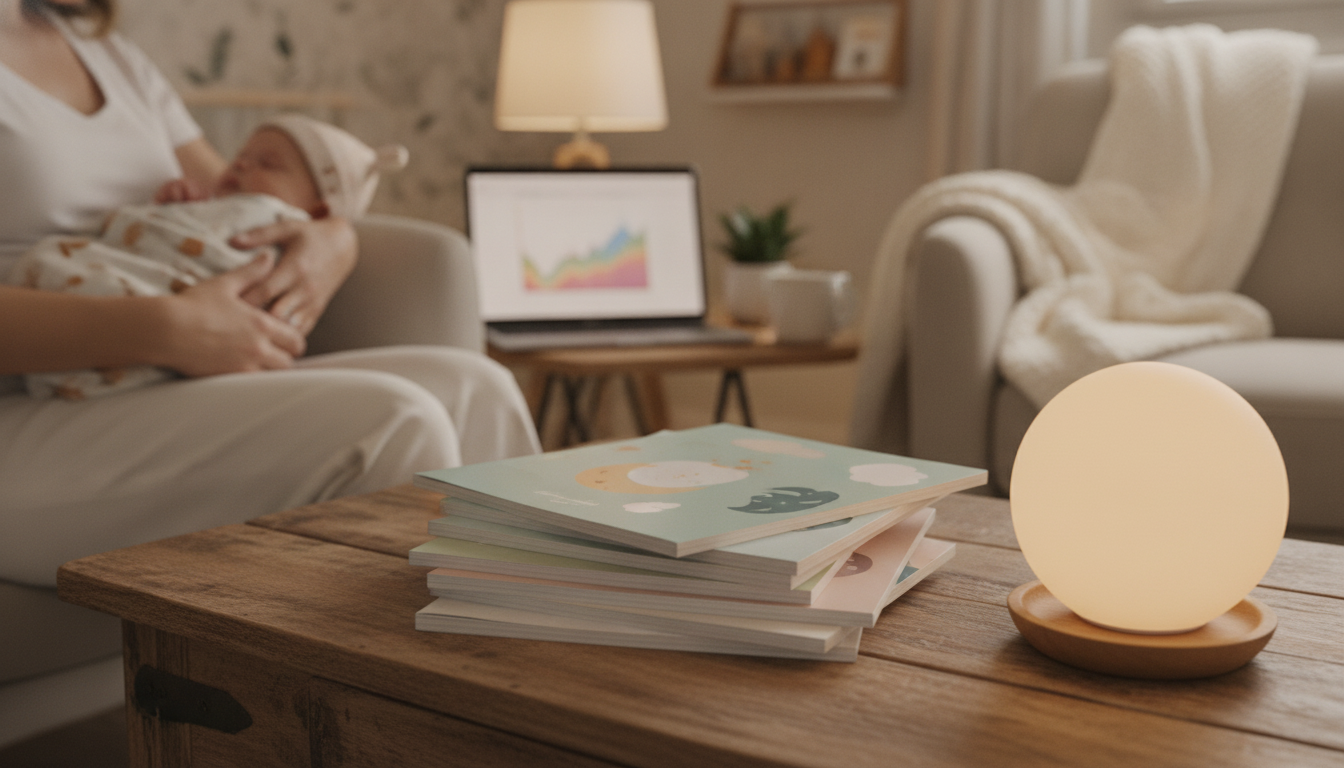
Night wakings aren’t random—your nighttime “inputs” matter
Night wakings can be driven by overtiredness, inconsistent routines, sensory discomfort, and an environment that doesn’t support long stretches of sleep. A well-rounded toolkit can help by combining calming cues, a predictable wind-down flow, and practical nighttime support—while still keeping sleep safety front and center. The goal isn’t a perfect night overnight; it’s fewer disruptions, faster resettling, and a bedtime that feels repeatable instead of like a gamble.
What “calm nights” usually require (beyond hoping for longer sleep)
Calm nights are typically built on a handful of simple, repeatable conditions. When even one of these is inconsistent, babies often wake more, take longer to settle, or start treating bedtime like a second wind.
- Consistent cues: the same sequence each evening helps babies anticipate sleep.
- Lower stimulation after dusk: dim light, quiet voices, slower movements.
- Comfortable sleep environment: temperature, sound level, and light exposure matter.
- Night response plan: a simple, repeatable approach for wakings reduces disruption.
- Caregiver sustainability: tools should be easy to use at 2 a.m. without complicated setup.
If you’re tightening up routines and still seeing frequent wakings, it can help to review safe-sleep guidance and environmental factors. The American Academy of Pediatrics’ recommendations are a clear baseline for reducing risk while baby sleeps.
American Academy of Pediatrics (AAP) — Safe Sleep Recommendations
What’s included in the 10-in-1 bundle and how each piece can help
A 10-in-1 “calm nights” bundle works best when it covers multiple roles: predictable wind-down cues, low-stimulation support for brief wakings, and practical helpers that keep your setup consistent. The key is not changing everything at once—babies usually respond better to small, steady shifts that stay the same from night to night.
- A mix of tools intended to support calming routines, reduce stimulation, and make nights easier to manage.
- Best results typically come from using a few items consistently rather than changing everything at once.
- Start with: one calming cue (sound/light), one routine aid, and one comfort/soothing support.
- Keep changes gentle and gradual, especially if sleep has been unpredictable for weeks.
- Always follow age-appropriate guidance and safe sleep recommendations for any item used around sleep.
If you want an all-in-one starting point, see The Ultimate Calm Baby Nights Toolkit | 10-in-1 Bundle for Reducing Night Wakings and More. It’s designed to reduce decision fatigue by giving you a consistent set of options for wind-down, the sleep environment, and quick nighttime support.
Common toolkit roles and when they’re most useful
| Toolkit role | How it supports calmer nights | When to use it |
|---|---|---|
| Wind-down cues | Signals that sleep is coming and reduces stimulation | 30–60 minutes before bedtime |
| Soothing sensory support | Promotes relaxation through consistent sound or gentle comfort | Bedtime and brief night wakings |
| Environment helpers | Helps keep the room dark/quiet/comfortable | All night, with safety in mind |
| Routine guides | Keeps steps consistent and prevents “overtired spiral” | Daily naps and bedtime |
| Parent support items | Reduces decision fatigue and streamlines night responses | During wakings and early mornings |
Since lighting is one of the fastest ways to accidentally “wake up the brain,” it can also help to build a calmer evening atmosphere throughout your home, not just the nursery. For a deeper guide, Turning Your House into a Glowing Retreat: Cozy Home Lighting Tips & Guides is a helpful companion for planning softer, sleep-friendly lighting zones.
A simple nightly routine using the toolkit (15–30 minutes)
Instead of a long checklist, aim for a short flow that you can repeat even on messy days. Most families see better results from “boringly consistent” than from elaborate bedtime productions.
- Step 1: set the room (dim light, comfortable temperature, minimal noise spikes).
- Step 2: feed and burp (if age-appropriate), then transition to a calmer pace.
- Step 3: short connection ritual (song, cuddle, short story) using the same order nightly.
- Step 4: place down drowsy but comfortable when possible; keep the same sleep cue running (for example, steady background sound) if used.
- Step 5: for wakings, repeat a brief version of the cue (low light, minimal talking, consistent soothing) and return to sleep conditions.
One practical tip: choose one “anchor cue” and protect it. If your anchor is dim lighting, keep it dim for every wake-up. If your anchor is steady background sound, keep it steady (not louder, not a new track, not switching devices nightly).
How to handle night wakings without creating new battles
Night wakings often get harder when the response changes every time. A predictable, low-stimulation response helps your baby learn what nighttime is for—and helps you avoid second-guessing every decision at 2 a.m.
Sleep safety checkpoints to keep non-negotiables clear
For additional safety context and statistics, the CDC’s overview of SUID and SIDS is a solid resource: CDC — Sudden Unexpected Infant Death (SUID) and SIDS.
Is this bundle a good fit? Quick decision guide
FAQ
How long does it take to see fewer night wakings?
Many families notice early improvements in 3–7 nights when routines and cues stay consistent, with bigger changes often showing up over 2–3 weeks depending on age, temperament, and what’s driving the wakings.
Can the toolkit replace sleep training?
It’s best viewed as routine and environment support that can complement many approaches. It doesn’t replace medical evaluation or a structured plan when wakings are driven by feeding needs, discomfort, or complex sleep associations.
Is it safe to use calming tools for overnight sleep?
Safety depends on following safe-sleep basics (back sleeping, firm flat surface, no loose items) and using each product as directed. Be cautious with anything placed in the sleep space, and keep sound/light at safe, moderate levels.
Recommended for you



Starview Bubble Tent Glamping: Setup, Comfort & Care
Jul 11, 2026













Leave a comment