-
Shop
- Advanced Technologies
- AI Career Advantage Collection
- AI Skills
- AI Skills for Creators & Freelancers
- AI Client Management
- AI Ethics
- AI Mindset
- AI Tools & Prompts
- AI Writing & Content Creation
- Audio, Voice & Music
- Design & Visual Creation
- Email, Messaging & Communication
- Freelancing & Business
- Marketing, Ads & Conversion
- Productivity, Workflow & Automation
- SEO & Search Optimization
- Social Media Content & Growth
- Strategy, Planning & Analytics
- Video Creation & Editing
- AI Skills Mastery 2026 Collection
- Car Accessories
- Confidence
- Dating & Social Skills
- Digital Resources
- AI & Technology
- Beauty
- Budgeting & Saving
- Car Buying & Ownership
- Cozy Feast Collection
- Electronics & Technology
- Entrepreneurship & Business Growth
- Financial Education
- Financial Independence
- Financial Mindset & Psychology
- Goal Setting
- Home Styling & Organization
- Kitchen & Recipes
- Leadership
- Mindfulness
- Mindset
- Online Business
- Parenting & Child Development
- Personal Style & Fashion
- Pet Lifestyle & Wellness
- Positive Thinking
- Sleep Improvement
- Smart Life with AI
- Stress Management & Relaxation
- Travel Planning
- Wellness
- Yoga & Fitness
- Yoga & Mind-Body Practices
- Education & Learning
- Family & Parenting
- Fashion
- Fashion Accessories
- Furniture
- Gadgets
- Health & Beauty
- Health & Wellness
- Home & Garden
- Home Supplies
- Jewelry
- Kids & Babies
- Kitchen
- Kitchen Best-Sellers
- Lighting
- Online Business for Beginners
- Patio, Lawn & Garden
- Personal Growth
- Pet Care
- Pet Supplies
- Pets
- Shoes
- Smart Amazon Shopping
- Smart Home Living Guides
- Sport & Outdoors
- Super Deals
- TikTok Growth & Monetization Mastery
- Travel
- Travel & Adventure
- Wealth
- Popular
- Best deals
Meditation Retreats for Stress Relief: A Gentle Guide
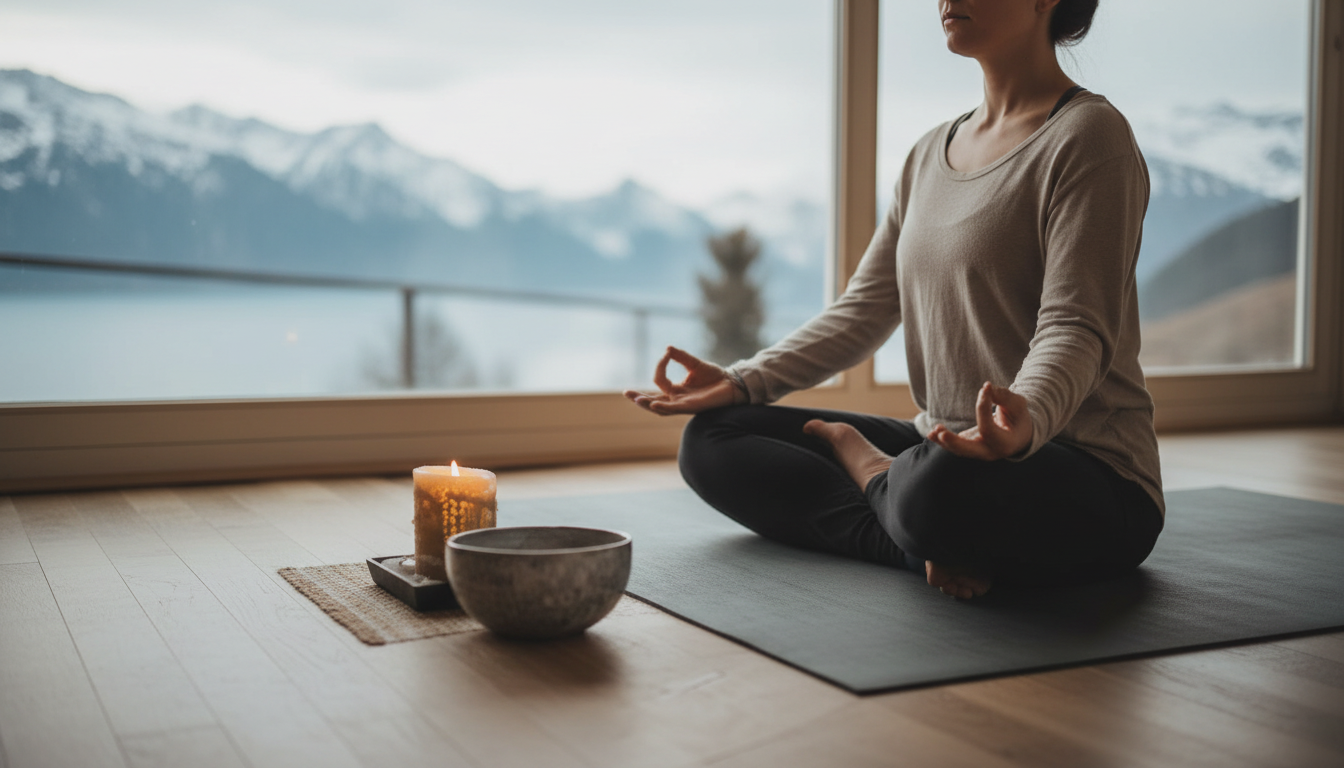
Finding Stillness When Life Feels Too Loud: A Gentle Guide to Meditation Retreats for Stress Relief, Clarity, and Inner Calm
When days feel crowded with noise—notifications, deadlines, emotional overload, and constant input—stillness can start to feel like a forgotten skill. Meditation retreats offer a structured way to step out of the rush, settle the nervous system, and reconnect with clarity. This guide explains what retreats are like, how to choose one that feels safe and supportive, and how to bring the benefits back into everyday life.
Why life feels loud—and why retreat time helps
Stress isn’t only “in your head.” When pressure stacks up, the body can get stuck in a constant “on” state—making rest feel unreachable even when free time finally appears. A meditation retreat helps by changing the environment and reducing the number of inputs your mind has to chase.
- Chronic stress can keep the nervous system revved up, so even quiet moments feel restless.
- A retreat removes common triggers (screens, multitasking, constant conversation), giving the mind fewer hooks.
- Silence and structure reduce decision fatigue—meals, schedules, and practice periods are already set.
- Even a short retreat can become a reset point: space to notice patterns, soften reactivity, and regain perspective.
For a research-grounded overview of meditation’s effectiveness and safety, see the National Center for Complementary and Integrative Health (NCCIH) and the Mayo Clinic’s meditation guide.
What a meditation retreat typically includes
Most retreats are simple by design: fewer distractions, more repetition, and a steady rhythm that makes it easier to practice—even if you’re tired, emotional, or unsure what you’re doing.
- Daily rhythm: seated meditation, walking meditation, mindful movement, and periods of rest.
- Guidance: talks (often called “teachings”), Q&A, and optional check-ins with teachers.
- Supportive basics: simple meals and uncluttered spaces designed to encourage calm and attention.
- Silence options: some retreats are fully silent; others keep silence for parts of the day.
Common retreat elements at a glance
| Element | What it’s like | Who it tends to help most |
|---|---|---|
| Guided sits | Teacher-led meditation sessions with clear instructions | Beginners and anyone feeling scattered |
| Walking meditation | Slow, attentive walking to stabilize focus | People who feel restless when sitting |
| Silence | Reduced conversation to quiet mental noise | Those craving deep rest (with gentle preparation) |
| Mindful movement | Stretching or yoga-style sessions | Anyone holding stress in the body |
| Teacher interviews | Brief check-ins to personalize practice | Those working with anxiety, overwhelm, or doubt |
Choosing the right retreat without adding more stress
The “best” retreat is the one that matches your capacity right now. A supportive fit often matters more than the lineage, location, or how intense it looks on paper.
- Start with duration: a weekend retreat can be enough to feel a meaningful shift without feeling intimidating.
- Consider style: mindfulness, Vipassana, Zen, breathwork-based, or compassion practices—different approaches resonate with different personalities.
- Check the silence policy: if full silence feels overwhelming, choose a retreat with partial silence or more guided group support.
- Look at the daily schedule: long sits may be challenging for beginners; balanced schedules tend to feel more sustainable.
- Review supports: accessibility, dietary options, trauma-informed language, and clear boundaries around interviews and participation.
A helpful way to decide is to ask: “Will this structure make me feel steady, or trapped?” A steady structure feels clear and kind—challenging at times, but not punishing.
Preparing for a retreat: simple steps that make it gentler
Preparation doesn’t need to be elaborate. The goal is to reduce friction so your attention can go toward practice instead of discomfort and logistics.
- Ease into it: reduce screen time and caffeine for a day or two if possible to soften the transition.
- Pack for comfort: layers, a shawl or hoodie, a water bottle, earplugs (if shared lodging), and any needed medications.
- Bring sitting supports: if allowed, a cushion, kneeling bench, or back support can prevent pain from becoming the main focus.
- Set expectations: the goal is not constant bliss—restlessness or emotion can surface when distractions drop.
- Plan re-entry: leave a buffer day after longer retreats to avoid going straight back into chaos.
If sleep is a major part of your recovery, consider making your home “re-entry” environment extra calm—dim lighting, fewer late-night screens, and a bedroom setup that feels genuinely restful.
What to do when meditation feels difficult during retreat
Bringing retreat calm into daily life
A gentle companion for choosing and using retreats
If retreat time feels appealing but uncertain, Finding Stillness When Life Feels Too Loud – A Gentle Guide to Meditation Retreats for Stress Relief, Clarity, and Inner Calm | Digital eBook Download offers a calm, practical roadmap—from choosing a supportive format to understanding what to expect once silence begins.
- Calvin Klein Jeans Women’s Grey Print Wallet with Zip Fastening for keeping IDs, cards, and travel essentials organized (especially helpful when you’re simplifying your day-to-day on retreat).
- Pink Floating Platform Bed with LED Lights and Diamond Tufted Headboard to build a more restorative sleep environment at home—an underrated part of integrating retreat calm.
FAQ
Are meditation retreats beginner-friendly?
Many retreats welcome beginners, especially those with guided sessions and balanced schedules. Choosing a shorter retreat and asking about silence expectations and teacher support can make the experience feel safer and more approachable.
How long should a first retreat be?
A weekend or 2–3 day retreat is often a strong starting point: long enough to settle, short enough to feel manageable. Longer retreats can be powerful, but they may feel intense without preparation and good support.
What if silence feels uncomfortable?
Discomfort is common at first, because silence reduces distractions that normally buffer stress. If it feels too sharp, consider a partial-silence retreat, use walking meditation and grounding, and reach out to a teacher—pacing and safety matter.













Leave a comment