-
Shop
- Advanced Technologies
- AI Career Advantage Collection
- AI Skills
- AI Skills for Creators & Freelancers
- AI Client Management
- AI Ethics
- AI Mindset
- AI Tools & Prompts
- AI Writing & Content Creation
- Audio, Voice & Music
- Design & Visual Creation
- Email, Messaging & Communication
- Freelancing & Business
- Marketing, Ads & Conversion
- Productivity, Workflow & Automation
- SEO & Search Optimization
- Social Media Content & Growth
- Strategy, Planning & Analytics
- Video Creation & Editing
- AI Skills Mastery 2026 Collection
- Car Accessories
- Confidence
- Dating & Social Skills
- Digital Resources
- AI & Technology
- Beauty
- Budgeting & Saving
- Car Buying & Ownership
- Cozy Feast Collection
- Electronics & Technology
- Entrepreneurship & Business Growth
- Financial Education
- Financial Independence
- Financial Mindset & Psychology
- Goal Setting
- Home Styling & Organization
- Kitchen & Recipes
- Leadership
- Mindfulness
- Mindset
- Online Business
- Parenting & Child Development
- Personal Style & Fashion
- Pet Lifestyle & Wellness
- Positive Thinking
- Sleep Improvement
- Smart Life with AI
- Stress Management & Relaxation
- Travel Planning
- Wellness
- Yoga & Fitness
- Yoga & Mind-Body Practices
- Education & Learning
- Family & Parenting
- Fashion
- Fashion Accessories
- Furniture
- Gadgets
- Health & Beauty
- Health & Wellness
- Home & Garden
- Home Supplies
- Jewelry
- Kids & Babies
- Kitchen
- Kitchen Best-Sellers
- Lighting
- Online Business for Beginners
- Patio, Lawn & Garden
- Personal Growth
- Pet Care
- Pet Supplies
- Pets
- Shoes
- Smart Amazon Shopping
- Smart Home Living Guides
- Sport & Outdoors
- Super Deals
- TikTok Growth & Monetization Mastery
- Travel
- Travel & Adventure
- Wealth
- Popular
- Best deals
6CH RC Fighter Foam Glider: 2.4G EPP Plane for Kids
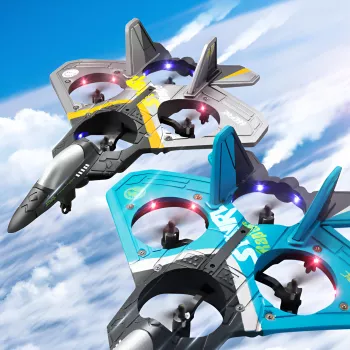
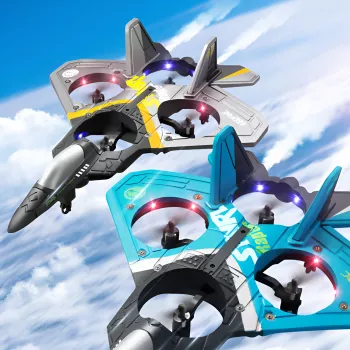
Remote Control RC Airplane 6CH Fighter Toy: EPP Foam Glider for Kids and Beginners
A lightweight foam RC plane can be one of the most rewarding first steps into flying—easy to carry, quick to set up, and forgiving during early practice. This 6-channel 2.4G fighter-style EPP foam glider is designed for controlled turns, smoother handling, and kid-friendly durability, making it a strong pick for weekend park flights and gift-giving.
What Makes This RC Airplane a Fun First Flyer
Some beginner RC planes feel more like “point and hope” toys than real aircraft. A 6-channel setup changes that experience by giving you more meaningful control inputs and a clearer path to improvement.
- 6-channel control helps practice more precise steering than the simplest toy-grade planes, which often limit what you can learn.
- 2.4G radio connection reduces interference and makes it easier for multiple pilots to fly in the same area without constant signal conflicts.
- EPP foam construction is known for impact resistance, so small bumps and rough landings are less likely to end the day early.
- Fighter-style silhouette adds imagination and play value while still using a practical, glider-like foam airframe that’s approachable for new pilots.
For families, the real win is repeatability: a plane that can take a few beginner mistakes and fly again is far more likely to become a favorite outdoor activity rather than a one-time novelty.
Key Features at a Glance
When comparing entry-level RC aircraft, it helps to separate “cool looks” from the features that actually make early flights easier and more controlled. Here’s a quick checklist that highlights what matters in real use.
| Feature | Why it matters | What to look for in use |
|---|---|---|
| 6-channel control | Supports more controlled flight practice | Start with gentle turns, then add smoother coordination as skill improves |
| 2.4G radio | Helps keep signals cleaner around other RC users | Maintain line of sight; avoid flying behind dense trees or buildings |
| EPP foam airframe | More forgiving during minor impacts | Inspect for cracks and keep tape/foam-safe glue available |
| Glider-style foam plane | Typically easier to handle at lower speeds | Choose wide, open spaces with minimal obstacles |
Beyond the spec list, the feel of the plane matters: lighter foam aircraft tend to be less intimidating because they’re easier to carry, easier to launch, and usually less dramatic when they touch down.
Who This Plane Fits Best
This type of EPP foam RC glider is a great match for beginners, but “beginner” can mean a few different things. The sweet spot is anyone who wants a fun outdoor toy that also teaches real coordination.
- Kids and families looking for a durable outdoor activity that builds skill over time rather than getting old after one flight.
- First-time pilots who want more than basic up/down steering and would enjoy learning smoother turns and better directional control.
- Gift shoppers who want something compact, exciting-looking, and less demanding than a complex hobby build or large-scale model.
- Casual flyers who prefer a light aircraft that’s easier to transport and store between weekends.
If you’re buying for a younger pilot, the best experience usually comes from supervised practice: a few short flights with coaching go a long way toward confidence and safer habits.
Setup and First Flights: Practical Tips
Most “beginner crashes” happen due to location and wind more than the pilot’s ability. A few simple choices make early flights feel smoother and more successful.
- Choose a wide, open field with minimal trees, fences, light poles, and parked cars. More space means more time to correct.
- Fly in mild conditions—lighter foam aircraft can get pushed around when the wind picks up, especially during takeoff and landing.
- Use smooth inputs: small stick movements usually produce cleaner control than fast, repeated corrections that can “over-steer” the plane.
- Do a quick pre-flight check before each launch: confirm the controls respond correctly and nothing is loose or misaligned.
- Pause after any bump: re-check wing alignment and the foam body so the next takeoff doesn’t surprise you.
It’s also smart to follow established model aircraft guidelines for recreational flying. The FAA’s recreational flyers page explains the basics of where and how to fly responsibly (FAA — Recreational Flyers & Model Aircraft Rules), and the Academy of Model Aeronautics offers a widely used safety code (Academy of Model Aeronautics — Safety Code).
Care, Storage, and Durability
EPP foam is known for resilience, but good habits keep a plane flying straighter for longer—especially after beginner landings and quick field repairs.
Product Options In Stock
- Remote Control RC Airplane 6CH Fighter Toy, 2.4G EPP Foam Glider, Kids Gift ($44.67)
- Calvin Klein Jeans Women’s Grey Print Wallet with Zip Fastening ($38.01)
- Layered Necklaces That Stay Tangle-Free All Day: A Step-by-Step Guide for Perfect Layering ($4.99)
FAQ
Is a 6-channel RC airplane too advanced for kids?
Not necessarily. A 6-channel plane can still be beginner-friendly when flown with gentle inputs and supervised practice, and it offers more precise control as skills improve.
Where is the best place to fly a lightweight foam RC plane?
An open field away from traffic, crowds, and obstacles is best, especially in calmer wind. Maintain line of sight at all times and avoid flying behind trees or buildings.
How do foam RC planes handle small crashes?
EPP foam is impact-resistant and often repairable with foam-safe tape or glue. After any bump, check alignment and control response before launching again.














Leave a comment