-
Shop
- Advanced Technologies
- AI Career Advantage Collection
- AI Skills
- AI Skills for Creators & Freelancers
- AI Client Management
- AI Ethics
- AI Mindset
- AI Tools & Prompts
- AI Writing & Content Creation
- Audio, Voice & Music
- Design & Visual Creation
- Email, Messaging & Communication
- Freelancing & Business
- Marketing, Ads & Conversion
- Productivity, Workflow & Automation
- SEO & Search Optimization
- Social Media Content & Growth
- Strategy, Planning & Analytics
- Video Creation & Editing
- AI Skills Mastery 2026 Collection
- Car Accessories
- Confidence
- Dating & Social Skills
- Digital Resources
- AI & Technology
- Beauty
- Budgeting & Saving
- Car Buying & Ownership
- Cozy Feast Collection
- Electronics & Technology
- Entrepreneurship & Business Growth
- Financial Education
- Financial Independence
- Financial Mindset & Psychology
- Goal Setting
- Home Styling & Organization
- Kitchen & Recipes
- Leadership
- Mindfulness
- Mindset
- Online Business
- Parenting & Child Development
- Personal Style & Fashion
- Pet Lifestyle & Wellness
- Positive Thinking
- Sleep Improvement
- Smart Life with AI
- Stress Management & Relaxation
- Travel Planning
- Wellness
- Yoga & Fitness
- Yoga & Mind-Body Practices
- Education & Learning
- Family & Parenting
- Fashion
- Fashion Accessories
- Furniture
- Gadgets
- Health & Beauty
- Health & Wellness
- Home & Garden
- Home Supplies
- Jewelry
- Kids & Babies
- Kitchen
- Kitchen Best-Sellers
- Lighting
- Online Business for Beginners
- Patio, Lawn & Garden
- Personal Growth
- Pet Care
- Pet Supplies
- Pets
- Shoes
- Smart Amazon Shopping
- Smart Home Living Guides
- Sport & Outdoors
- Super Deals
- TikTok Growth & Monetization Mastery
- Travel
- Travel & Adventure
- Wealth
- Popular
- Best deals
10-Minute Reset: Simple Habits for a Clutter-Free Home
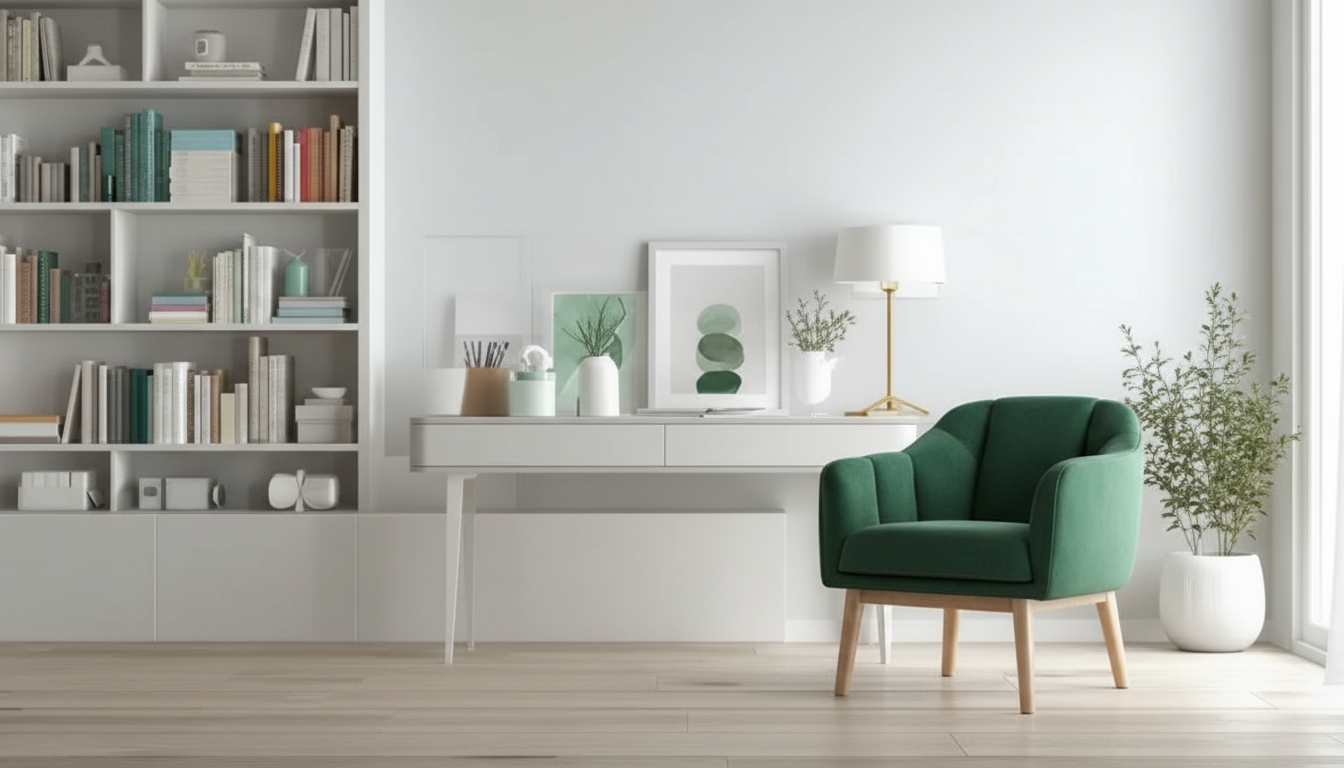
A clutter-free home rarely comes from one big weekend purge—it comes from small, repeatable habits that prevent piles from forming in the first place. The routines below focus on quick resets, smarter “in” rules, and simple systems that make tidying feel automatic, even on busy days. Keeping clutter in check can also lower daily friction and stress; chronic stress can affect overall health, according to the American Psychological Association and the Cleveland Clinic.
Start with a “reset, not perfection” mindset
The goal isn’t a showroom—it’s a home that works. Aim for clear surfaces and safe, functional walkways, then let “pretty” be a bonus. Pick one visible anchor area (a kitchen counter section, coffee table, or entry bench) and protect it; when that spot stays clear, the whole house feels calmer.
Use the 2-minute rule to stop clutter before it becomes a project: if it takes under two minutes, do it immediately (hang the coat, file the paper, rinse the mug). And plan for normal life with a small “pending” bin for items you’re not ready to deal with yet—better one contained bin than a trail of half-decisions across rooms.
The daily 10-minute home reset
Consistency matters more than duration. Set a timer for 10 minutes once per day and hit high-traffic zones first (entry, kitchen, living room, bathroom counter). Return items to their “home” before you clean; it’s faster to wipe a cleared counter than to wipe around clutter. Finish by emptying one small trash can or taking one bag out so overflow never becomes tomorrow’s mess.
10-Minute Reset Checklist by Zone
| Zone | Do this first (1–3 minutes) | Quick finish (1–2 minutes) |
|---|---|---|
| Entryway | Shoes on rack, coats on hooks, bags in one spot | Toss junk mail; wipe console/bench |
| Kitchen | Clear counter; load dishwasher/sink | Wipe counter; set out tomorrow’s essentials |
| Living room | Blankets folded; items returned to rooms | Quick straighten cushions; gather cups/plates |
| Bathroom | Put products back; hang towels | Wipe sink; toss empty packaging |
| Bedroom | Clothes in hamper; clear nightstand | Lay out tomorrow’s outfit; make bed |
One-touch rules that stop clutter at the source
Clutter often comes from “I’ll deal with it later.” One-touch rules turn that into “I’m handling it now,” without adding time to your day.
- Handle paper once: recycle/shred, file, or capture it digitally—avoid “read later” stacks on counters.
- Close the loop immediately: if something belongs upstairs, carry it upstairs now. If that’s not realistic mid-day, use one designated transfer bin (and empty it nightly).
- Put away, not put down: keys, sunglasses, remotes, and chargers should land in the same spot every time.
- Create simple category inboxes: a mail tray, kids’ school folder, and receipts envelope—then empty them on a schedule you can keep.
Create homes for the items that always wander
Every home has “drifters”: shoes, toys, water bottles, hair accessories, backpacks, cords. Instead of fighting them, assign them a home where they’re actually used—not where they “should” go in an ideal world.
- Store at the point of use: cleaning wipes where spills happen, medication near a safe routine spot, and chargers where devices are used (then contain the cords).
- Use open containers for daily essentials: trays, baskets, and bins reduce friction because you can drop-and-go without fiddling with lids.
- Use lidded bins for backstock: keep visual noise down by hiding extras, refills, and seasonal items.
- Label by category: “Batteries,” “Cables,” “First Aid” is faster than hyper-specific labels that require decision-making.
Daily declutter habits that take under five minutes
Small actions done daily prevent the “someday” pile that turns into an all-day clean. Choose one or two of these and make them non-negotiable.
A simple weekly rhythm to prevent rebound clutter
Make it stick in real life (kids, roommates, busy schedules)
Printable support for daily consistency
If you want a ready-to-use plan, the Simple Habits to Keep Your Home Clutter-Free Every Day (Printable Digital Guide) can help you keep the process consistent without overthinking it.
Helpful picks to support clutter-free routines
- Simple Habits to Keep Your Home Clutter-Free Every Day | Printable Digital Guide | Simple Methods to Reduce Clutter Daily | Home Organization eBook (digital, easy to reference during your daily reset)
- Pink Floating Platform Bed with LED Lights and Diamond Tufted Headboard (a streamlined bedroom setup makes the nightly reset faster—less visual chaos, fewer “catch-all” piles)
- Calvin Klein Jeans Women’s Grey Print Wallet with Zip Fastening (a secure, zip-close wallet helps keep receipts and cards from drifting across counters and bags)
- Levi’s Men’s White Short-Sleeve T-Shirt (keeping everyday basics in rotation supports the “laundry flow” habit and reduces overstuffed drawers)
FAQ
What’s the fastest daily habit to keep clutter from coming back?
Do a consistent 10-minute reset and follow a one-touch rule like “put away, not down.” Small daily resets prevent piles from forming, so you spend less time recovering from clutter later.
How many minutes a day does it take to maintain a clutter-free home?
Most homes can stay under control with 5–15 minutes per day plus one or two short weekly maintenance blocks. Once items have clear “homes,” the daily time usually drops because tidying becomes mostly quick returns.
What should be decluttered first when the house feels overwhelming?
Start with high-visibility, high-traffic areas like the entry, kitchen counter, and dining table. Begin by removing trash and returning obvious out-of-place items to their rooms to get immediate breathing room.
Recommended for you



Money on Repeat: 3 Income Streams That Compound
Jul 21, 2026











Leave a comment