-
Shop
- Advanced Technologies
- AI Career Advantage Collection
- AI Skills
- AI Skills for Creators & Freelancers
- AI Client Management
- AI Ethics
- AI Mindset
- AI Tools & Prompts
- AI Writing & Content Creation
- Audio, Voice & Music
- Design & Visual Creation
- Email, Messaging & Communication
- Freelancing & Business
- Marketing, Ads & Conversion
- Productivity, Workflow & Automation
- SEO & Search Optimization
- Social Media Content & Growth
- Strategy, Planning & Analytics
- Video Creation & Editing
- AI Skills Mastery 2026 Collection
- Car Accessories
- Confidence
- Dating & Social Skills
- Digital Resources
- AI & Technology
- Beauty
- Budgeting & Saving
- Car Buying & Ownership
- Cozy Feast Collection
- Electronics & Technology
- Entrepreneurship & Business Growth
- Financial Education
- Financial Independence
- Financial Mindset & Psychology
- Goal Setting
- Home Styling & Organization
- Kitchen & Recipes
- Leadership
- Mindfulness
- Mindset
- Online Business
- Parenting & Child Development
- Personal Style & Fashion
- Pet Lifestyle & Wellness
- Positive Thinking
- Sleep Improvement
- Smart Life with AI
- Stress Management & Relaxation
- Travel Planning
- Wellness
- Yoga & Fitness
- Yoga & Mind-Body Practices
- Education & Learning
- Family & Parenting
- Fashion
- Fashion Accessories
- Furniture
- Gadgets
- Health & Beauty
- Health & Wellness
- Home & Garden
- Home Supplies
- Jewelry
- Kids & Babies
- Kitchen
- Kitchen Best-Sellers
- Lighting
- Online Business for Beginners
- Patio, Lawn & Garden
- Personal Growth
- Pet Care
- Pet Supplies
- Pets
- Shoes
- Smart Amazon Shopping
- Smart Home Living Guides
- Sport & Outdoors
- Super Deals
- TikTok Growth & Monetization Mastery
- Travel
- Travel & Adventure
- Wealth
- Popular
- Best deals
No-Drill Fish Bone Soap Holder: Keep Bars Dry
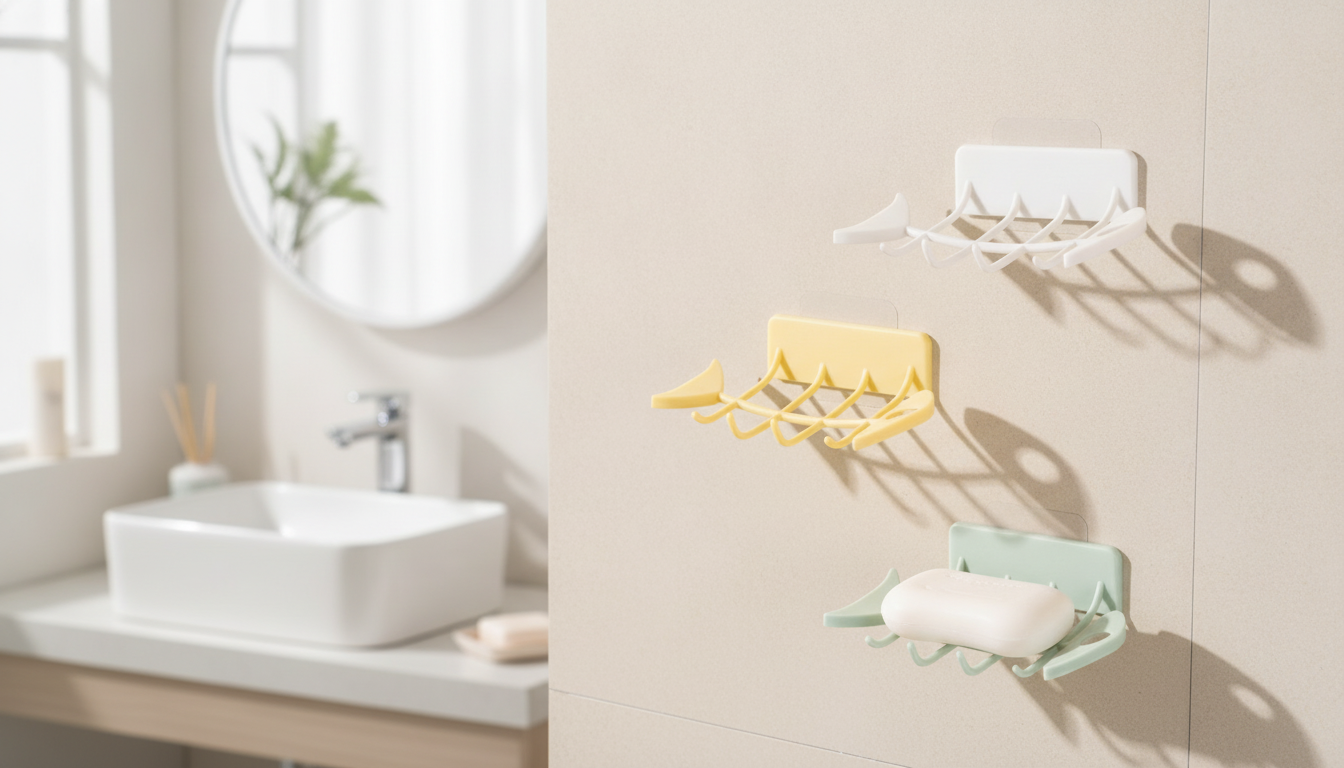
Wall-Mounted Fish Bone Soap Holder: A Small Upgrade That Keeps Soap Dry and Sinks Neat
A bar of soap lasts longer when it can fully dry between uses. A wall-mounted, no-drill soap dish with drainage helps water drip away instead of soaking into the soap, which means less mushy residue on the sink edge and fewer sticky cleanups. It’s a practical fit for rentals, dorms, RVs, and small bathrooms where every inch of counter space counts.
Beyond convenience, keeping wash areas cleaner supports everyday hygiene habits. For quick refresher guidance on effective handwashing, the CDC’s handwashing resources are a helpful reference.
Why a Drainage Soap Dish Makes a Difference
Traditional soap dishes often trap water under the bar. That standing water softens the soap, creates slippery film, and turns the dish into a magnet for scum. A drainage-style holder shifts the routine from “wipe and rinse constantly” to “rinse occasionally.”
- Helps bar soap dry faster by letting water run off instead of pooling underneath
- Cuts down on slimy buildup on counters and sink ledges
- Keeps soap within reach without taking up space on the vanity
- Supports a cleaner look around sinks, tubs, and utility areas
This matters even more in humid bathrooms. Reducing lingering moisture on surfaces can also help limit musty conditions; the EPA’s guidance on moisture and mold explains why damp environments tend to invite more maintenance over time.
What Makes the Fish Bone Design Useful
A fish bone soap holder isn’t just a cute shape—it’s a functional layout. The “ribbed” pattern acts like a built-in drying rack, lifting the soap slightly so air can reach more of the bar. That small gap is often the difference between a firm bar that lasts and a softened bar that dissolves quickly.
- Raised, rib-like surface reduces full contact between soap and the tray to improve airflow
- Drainage-friendly shape guides drips away from the soap instead of trapping water
- Compact footprint fits near faucets, shower walls, or above splash-prone areas
- Playful design adds a small decorative touch without clutter
Another advantage: a ribbed surface can help keep the bar from “suctioning” itself to a flat dish. That makes it easier to pick up with wet hands without prying the soap loose.
No-Drill Wall Mounting: Where It Works Best
No-drill mounting is a smart solution when you want a tidy setup without committing to screws and anchors. It’s especially appealing for renters who want to avoid patching holes later, or for anyone who prefers a quick, tool-free upgrade.
- Ideal for renters or anyone avoiding wall damage from screws and anchors
- Best applied to clean, smooth surfaces such as tile, glass, metal, or finished laminate
- Less reliable on textured paint, rough stone, or uneven grout lines
- Works well in bathrooms, kitchens, laundry rooms, and near utility sinks
Mounting Options at a Glance
| Mounting style | Wall impact | Best surfaces | Typical use case |
|---|---|---|---|
| Adhesive (no-drill) | No holes; removable with care | Tile, glass, smooth metal | Rentals; quick upgrades |
| Suction cup | No holes; may slip over time | Very smooth tile or glass | Temporary placement |
| Screws/anchors | Permanent holes | Most wall types with proper hardware | High-load, long-term installs |
Placement Tips for Better Drying and Less Mess
Where you place a wall-mounted soap holder affects how well it drains—and how clean the surrounding area stays. The goal is simple: reduce constant soaking, and give water a place to go.
- Mount slightly away from direct shower spray to reduce constant soaking
- Position above a drain area (sink edge, shower corner) so drips don’t pool on shelves
- Leave enough clearance to lift the soap out easily, even with wet hands
- Keep it at a height that avoids bumping elbows while washing or reaching for towels
If the holder sits too low, it may get hit by splashback; too high, and it becomes awkward to use. A comfortable reach near the faucet (but not directly behind it) tends to be the sweet spot for handwashing areas.
Care and Cleaning
A draining soap holder is low maintenance, but not “no maintenance.” A quick rinse now and then keeps it looking clean and helps adhesion stay reliable on the wall surface.
- Rinse the tray periodically to prevent soap scum buildup on the ribs and drainage area
- Wipe the wall area around the holder to prevent residue trails from hard water
- If using in a kitchen, clean more often to avoid grease film reducing adhesion on nearby surfaces
- Replace bar soap before it becomes too thin to sit steadily on the raised surface
For stubborn residue, warm water and a gentle wipe usually do the trick. Avoid harsh scraping tools that can roughen the surface and make buildup cling faster later.
Who This Soap Holder Suits
Product Options (In Stock)
- Wall-Mounted Fish Bone Soap Holder – No-Drill Drainage Soap Dish
- Levi’s Men’s White Short-Sleeve T-Shirt
FAQ
Will a no-drill soap holder stick in a steamy shower?
It typically holds well in steam as long as it’s applied to a clean, smooth surface like tile or glass. For best results, place it away from direct spray and heavy runoff so the adhesive isn’t constantly saturated.
Can it be removed without damaging the wall?
Removal depends on the adhesive and the wall surface, but many adhesive mounts can come off cleanly when peeled slowly and carefully. If you’re concerned about damage, avoid textured paint and use gentle warming (like a hair dryer) to soften adhesive before removing.
How do drainage soap dishes help soap last longer?
Standing water softens soap and makes it dissolve faster with each use. A raised, draining surface lets water run off and air circulate, helping the bar dry out between washes and reducing wasted soap and residue.
Recommended for you
Baby Black Cat Hooded Romper: Warm Jumpsuit Guide
Jul 24, 2026












Leave a comment