-
Shop
- Advanced Technologies
- AI Career Advantage Collection
- AI Skills
- AI Skills for Creators & Freelancers
- AI Client Management
- AI Ethics
- AI Mindset
- AI Tools & Prompts
- AI Writing & Content Creation
- Audio, Voice & Music
- Design & Visual Creation
- Email, Messaging & Communication
- Freelancing & Business
- Marketing, Ads & Conversion
- Productivity, Workflow & Automation
- SEO & Search Optimization
- Social Media Content & Growth
- Strategy, Planning & Analytics
- Video Creation & Editing
- AI Skills Mastery 2026 Collection
- Car Accessories
- Confidence
- Dating & Social Skills
- Digital Resources
- AI & Technology
- Beauty
- Budgeting & Saving
- Car Buying & Ownership
- Cozy Feast Collection
- Electronics & Technology
- Entrepreneurship & Business Growth
- Financial Education
- Financial Independence
- Financial Mindset & Psychology
- Goal Setting
- Home Styling & Organization
- Kitchen & Recipes
- Leadership
- Mindfulness
- Mindset
- Online Business
- Parenting & Child Development
- Personal Style & Fashion
- Pet Lifestyle & Wellness
- Positive Thinking
- Sleep Improvement
- Smart Life with AI
- Stress Management & Relaxation
- Travel Planning
- Wellness
- Yoga & Fitness
- Yoga & Mind-Body Practices
- Education & Learning
- Family & Parenting
- Fashion
- Fashion Accessories
- Furniture
- Gadgets
- Health & Beauty
- Health & Wellness
- Home & Garden
- Home Supplies
- Jewelry
- Kids & Babies
- Kitchen
- Kitchen Best-Sellers
- Lighting
- Online Business for Beginners
- Patio, Lawn & Garden
- Personal Growth
- Pet Care
- Pet Supplies
- Pets
- Shoes
- Smart Amazon Shopping
- Smart Home Living Guides
- Sport & Outdoors
- Super Deals
- TikTok Growth & Monetization Mastery
- Travel
- Travel & Adventure
- Wealth
- Popular
- Best deals
Moisture-Proof Ceramic Seasoning Jar: Keep Spices Fresh
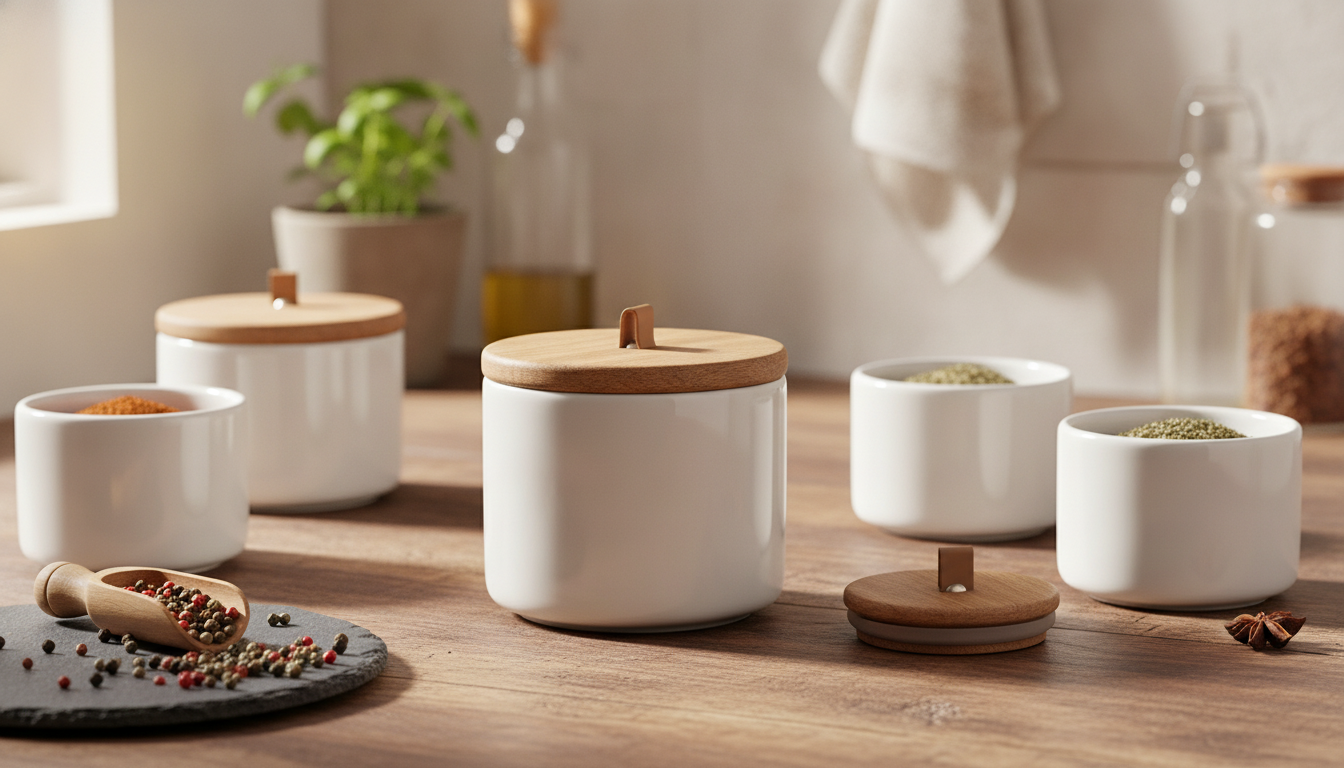
Ceramic Seasoning Storage Jar with Lid: Moisture-Proof Organization for Everyday Cooking
A dedicated seasoning jar helps keep staple spices dry, aromatic, and easy to reach during meal prep. This ceramic storage jar with a fitted lid is designed for kitchen use where humidity, steam, and frequent opening can quickly dull flavor and cause clumping. When seasonings live close to the prep zone, the right container becomes part of the workflow: open, measure, close—without fighting hardened lumps or stale aromas.
Why moisture control matters for seasonings
Most seasoning problems start with moisture. Fine powders like garlic powder and onion powder readily absorb humidity, while coarse crystals (salt, finishing salts, and some rubs) can lock together into stubborn blocks. Even brief exposure to steam from simmering pots or kettles can introduce enough moisture to change texture and make measuring unpredictable.
- Moisture can cause powders to cake and coarse crystals to fuse into hard lumps.
- A well-sealed lid slows humidity exchange, helping maintain texture and pourability.
- Reducing moisture exposure helps preserve aroma intensity over time.
- Ceramic bodies can buffer quick temperature changes near the stove, which can reduce condensation inside the container.
For general storage guidance and freshness timelines, reputable references like McCormick’s spice storage tips and Serious Eats’ spice storage guide emphasize cool, dry conditions and minimizing exposure to heat and humidity.
What a ceramic jar does differently than plastic or glass
Ceramic can solve a few day-to-day kitchen issues at once: protecting light-sensitive seasonings, staying stable on the counter, and wiping clean quickly after a busy cooking session. While no container can reverse aging spices, a thoughtfully made jar can slow down common culprits like humidity swings and light exposure.
- Ceramic is opaque, helping protect light-sensitive seasonings such as paprika and dried herbs.
- Heavier weight adds stability on counters and open shelving, reducing tip-overs.
- Glazed ceramic surfaces are typically easy to wipe clean and resist absorbing odors.
- Compared with thin plastics, ceramic is less likely to warp from heat near cooktops (still best kept away from direct flame).
Material comparison for seasoning storage
| Material | Strengths | Trade-offs | Best for |
|---|---|---|---|
| Ceramic | Blocks light; stable; easy to wipe; odor-resistant when glazed | Can chip if dropped; heavier | Everyday spices kept on the counter |
| Glass | Non-porous; easy to see contents; dishwasher-friendly for many jars | Light exposure; can shatter | Cabinet storage or labeled spice sets |
| Plastic | Lightweight; shatter-resistant; often inexpensive | Can retain odors; may stain; may warp near heat | Pantry bins and dry bulk items |
Design features to look for in a moisture-proof seasoning jar
Not all “sealed” jars behave the same in real kitchens. The most useful details are the ones you notice every day: how the lid sits, how cleanly you can scoop, and whether the jar stays put when you reach for it with one hand.
- Lid fit: a snug lid reduces humidity exchange; check that it sits evenly without wobble.
- Mouth width: a wider opening simplifies refilling and measuring without spills.
- Interior glaze: smoother surfaces make it easier to remove residue from oily spice blends.
- Base stability: a wider or weighted base is safer beside a cutting board or stove.
- Labeling: space for a label or marker helps avoid mix-ups when using multiple jars.
If the goal is everyday convenience, a counter-ready option like the Ceramic Storage Jar with Lid – Moisture-Proof Kitchen Seasoning Jar can help keep frequently used spices protected while still easy to grab during prep.
Best uses around the kitchen
A ceramic seasoning jar shines when it stores the items you reach for constantly. If a spice is opened multiple times a day, protecting it from ambient humidity and splatter becomes practical—not precious.
- Daily seasonings: salt, pepper blends, garlic powder, chili flakes, and all-purpose mixes.
- Baking staples: cinnamon-sugar, nutmeg, cocoa, and baking spice blends (kept away from steam).
- Tea and pantry: loose tea, sugar, or small dry pantry items that benefit from reduced humidity exposure.
- Counter organization: keeping a small set of jars near the prep zone can reduce rummaging in cabinets.
One helpful approach is to keep a “front-line” jar on the counter and store refill bags or bulk containers in a cool pantry. That reduces how long the main jar stays open and limits exposure to heat and steam.
Care, cleaning, and keeping seasonings fresh
Even the best jar can’t compensate for moisture introduced by habits like scooping with a wet spoon or storing spices right where steam collects. Small adjustments make a noticeable difference in texture and aroma retention.
For general food storage reminders and safety-minded organization, the USDA FoodKeeper app is a useful reference point for households building better kitchen routines.
Quick fit check: will this work for the current setup?
Shop in-stock picks
- Ceramic Storage Jar with Lid – Moisture-Proof Kitchen Seasoning Jar
- Levi’s Men’s White Short-Sleeve T-Shirt
- Calvin Klein Jeans Women’s Grey Print Wallet with Zip Fastening
FAQ
Does a ceramic seasoning jar keep spices from clumping?
It can help, because clumping is mainly caused by moisture. A well-fitted lid reduces humidity exchange, but results improve most when the jar is kept away from steam and you always use dry utensils.
What seasonings should not be stored near the stove?
Delicate dried herbs and fine powders are more likely to lose flavor quickly or absorb moisture near heat and steam. Keep them a bit farther from burners, kettles, and vented appliances to slow staling and caking.
How should a ceramic jar be cleaned before refilling?
Empty it completely, wash with mild soap if needed, rinse well, and dry thoroughly. Make sure the lid and rim area are fully dry so moisture doesn’t get trapped once the jar is closed.
Recommended for you


Wooden Camping RV Playset: Road-Trip Pretend Play
Jul 25, 2026











Leave a comment