-
Shop
- Advanced Technologies
- AI Career Advantage Collection
- AI Skills
- AI Skills for Creators & Freelancers
- AI Client Management
- AI Ethics
- AI Mindset
- AI Tools & Prompts
- AI Writing & Content Creation
- Audio, Voice & Music
- Design & Visual Creation
- Email, Messaging & Communication
- Freelancing & Business
- Marketing, Ads & Conversion
- Productivity, Workflow & Automation
- SEO & Search Optimization
- Social Media Content & Growth
- Strategy, Planning & Analytics
- Video Creation & Editing
- AI Skills Mastery 2026 Collection
- Car Accessories
- Confidence
- Dating & Social Skills
- Digital Resources
- AI & Technology
- Beauty
- Budgeting & Saving
- Car Buying & Ownership
- Cozy Feast Collection
- Electronics & Technology
- Entrepreneurship & Business Growth
- Financial Education
- Financial Independence
- Financial Mindset & Psychology
- Goal Setting
- Home Styling & Organization
- Kitchen & Recipes
- Leadership
- Mindfulness
- Mindset
- Online Business
- Parenting & Child Development
- Personal Style & Fashion
- Pet Lifestyle & Wellness
- Positive Thinking
- Sleep Improvement
- Smart Life with AI
- Stress Management & Relaxation
- Travel Planning
- Wellness
- Yoga & Fitness
- Yoga & Mind-Body Practices
- Education & Learning
- Family & Parenting
- Fashion
- Fashion Accessories
- Furniture
- Gadgets
- Health & Beauty
- Health & Wellness
- Home & Garden
- Home Supplies
- Jewelry
- Kids & Babies
- Kitchen
- Kitchen Best-Sellers
- Lighting
- Online Business for Beginners
- Patio, Lawn & Garden
- Personal Growth
- Pet Care
- Pet Supplies
- Pets
- Shoes
- Smart Amazon Shopping
- Smart Home Living Guides
- Sport & Outdoors
- Super Deals
- TikTok Growth & Monetization Mastery
- Travel
- Travel & Adventure
- Wealth
- Popular
- Best deals
3-6-9-12 Screen Time Rule: Age-by-Age Guide
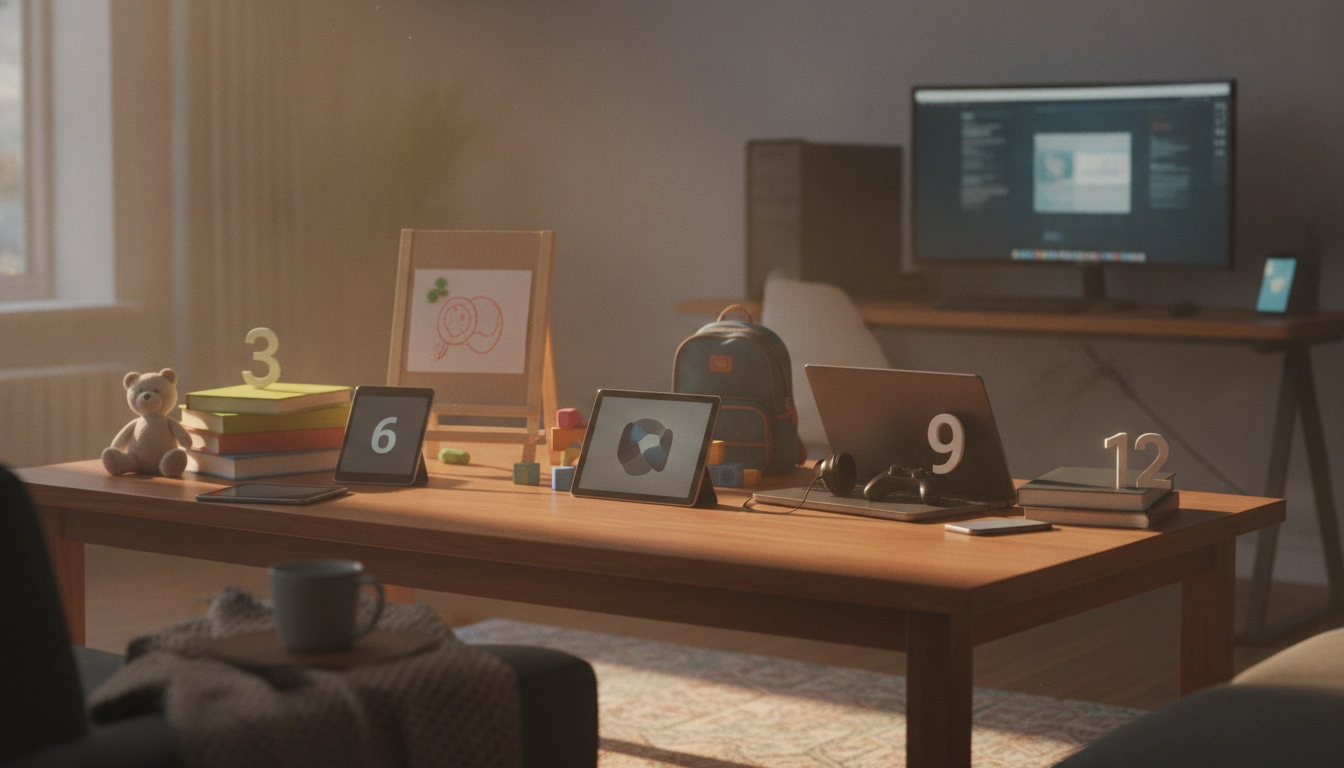
What is the 3 6 9 12 rule for screen time?
The 3 6 9 12 rule is a simple age-based guideline that helps families introduce screens gradually and set healthier boundaries. The numbers refer to milestone ages (3, 6, 9, and 12) and the type of screen use that tends to be most appropriate at each stage—favoring real-world play and social development first, then adding more independence as kids mature.
How the rule breaks down
Before age 3: Aim for minimal or no solo screen time. Prioritize face-to-face interaction, hands-on play, and routines that support language and emotional development.
Before age 6: Keep screens limited and mostly shared with an adult. Choose simple, slow-paced content and avoid using screens as the default soothing tool at meals, in the car, or before bed.
Before age 9: Introduce technology more intentionally (like educational apps or family movies), but delay unrestricted internet access and monitor what’s watched and played. This is a good window to practice “stop-and-switch” skills—turning devices off without a fight and moving to another activity.
Before age 12: Postpone social media and online gaming with open chat features when possible. If kids do go online, use strong privacy settings, clear rules, and supervision, since social pressure, ads, and inappropriate content become bigger risks.
Why families like it
Unlike strict hourly limits, the 3 6 9 12 rule focuses on readiness. It encourages adults to match screen access to a child’s ability to self-regulate, handle peer dynamics, and make safe choices online.
How to use it at home
Pick a few non-negotiables (like no screens during meals, no devices in bedrooms at night, and consistent “off” times), then build from there. For practical tools—like device settings, routines, and scripts for pushback—see the full guide: Smart Limits: 10-in-1 Screen Time Toolkit for Kids.
FAQ
How can I set screen time limits without daily arguments?
Use predictable rules (same times each day), give a warning before transitions, and tie screen time to routines (homework, chores, or outdoor time). Consistency usually reduces negotiation faster than changing limits day to day.
Recommended for you



Beginner Reiki for Stress: A Simple 12-Min Routine
Aug 12, 2026
Overwhelmed? Try a 2-Minute Calm Reset + Checklist
Aug 13, 2026













Leave a comment