-
Shop
- Advanced Technologies
- AI Career Advantage Collection
- AI Skills
- AI Skills for Creators & Freelancers
- AI Client Management
- AI Ethics
- AI Mindset
- AI Tools & Prompts
- AI Writing & Content Creation
- Audio, Voice & Music
- Design & Visual Creation
- Email, Messaging & Communication
- Freelancing & Business
- Marketing, Ads & Conversion
- Productivity, Workflow & Automation
- SEO & Search Optimization
- Social Media Content & Growth
- Strategy, Planning & Analytics
- Video Creation & Editing
- AI Skills Mastery 2026 Collection
- Car Accessories
- Confidence
- Dating & Social Skills
- Digital Resources
- AI & Technology
- Beauty
- Budgeting & Saving
- Car Buying & Ownership
- Cozy Feast Collection
- Electronics & Technology
- Entrepreneurship & Business Growth
- Financial Education
- Financial Independence
- Financial Mindset & Psychology
- Goal Setting
- Home Styling & Organization
- Kitchen & Recipes
- Leadership
- Mindfulness
- Mindset
- Online Business
- Parenting & Child Development
- Personal Style & Fashion
- Pet Lifestyle & Wellness
- Positive Thinking
- Sleep Improvement
- Smart Life with AI
- Stress Management & Relaxation
- Travel Planning
- Wellness
- Yoga & Fitness
- Yoga & Mind-Body Practices
- Education & Learning
- Family & Parenting
- Fashion
- Accessories
- Alexander McQueen
- Bags
- Bags & Wallets
- Belts
- Blazers
- Bottega Veneta
- Bottoms
- Brunello Cucinelli
- Chloé
- Clothing
- Dolce & Gabbana
- Dresses
- Etro
- Hats & Hair Accessories
- Hoodies & Sweatshirts
- Jacquemus
- Jil Sander
- Kiton
- Luggage
- Miu Miu
- Off-White
- Outerwear
- Rick Owens
- Scarves
- Socks & Tights
- Sweaters & Cardigans
- The Row
- Tom Ford
- Tops & Shirts
- Valentino Garavani
- Vivienne Westwood
- Watches
- Fashion Accessories
- Furniture
- Gadgets
- Health & Beauty
- Health & Wellness
- Home & Garden
- Home Supplies
- Jewelry
- Kids & Babies
- Kitchen
- Kitchen Best-Sellers
- Lighting
- Luxury Brands Collection
- Online Business for Beginners
- Patio, Lawn & Garden
- Personal Growth
- Pet Care
- Pet Supplies
- Pets
- Shoes
- Smart Amazon Shopping
- Smart Home Living Guides
- Sport & Outdoors
- Super Deals
- TikTok Growth & Monetization Mastery
- Travel
- Travel & Adventure
- Wealth
- Popular
- Best deals
Ultralight Aluminum Bike Pedals: A Practical Guide
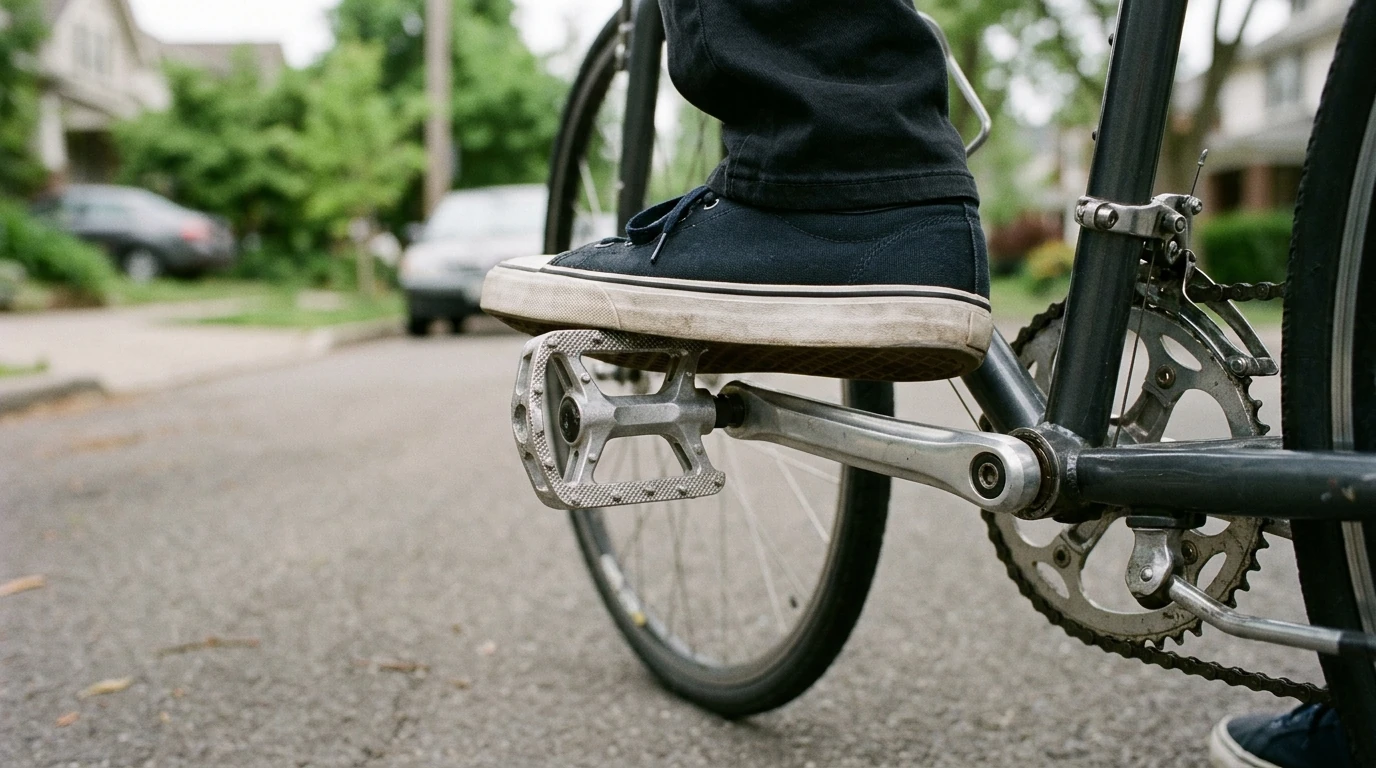
Replacement pedals can change how your feet connect with your bike, so it pays to look beyond appearance. Our ultralight aluminum alloy bike pedals bring together a non-slip surface and sealed bearings in a lightweight-minded design. Before ordering, consider your crank’s thread size, the shoes you usually wear, and how you plan to ride.
A Practical Pedal Upgrade
These pedals use aluminum alloy construction, a material choice that may appeal if you’re considering a lighter-feeling pedal setup. No specific pedal weight is provided, so compare published specifications if weight is a deciding factor in your purchase.
The non-slip surface is designed to help your shoes maintain contact with the pedals. That contact matters whether you’re setting off from a stop, riding around your neighborhood, or pedaling through your usual commute. Your experience will also depend on your footwear, riding conditions, and how you position your feet.
Sealed bearings are designed to help shield the bearing mechanism from contaminants. They’re a practical feature for everyday riding, though seals don’t eliminate the need to keep your pedals clean and check how they rotate.
Features at a Glance
Each feature addresses a different part of the pedal decision: material, shoe contact, or protection around the bearing mechanism. Use the table as a starting point when comparing replacements.
| Feature | Practical consideration |
|---|---|
| Aluminum alloy construction | A material choice for riders considering a lightweight pedal setup |
| Non-slip surface | Designed to help shoes maintain contact with the pedal |
| Sealed bearings | Designed to help shield the bearing mechanism from contaminants |
None of these features alone determines whether a pedal is right for every rider. Fit with your crank, comfort under your shoes, and proper installation are important considerations too.
Check Compatibility Before Ordering
Start with your bike’s crank. Check its pedal thread size and compare it with the pedal specifications before purchasing. Pedal threads are not universally interchangeable, and forcing a mismatched pedal into a crank can damage the threads. If you’re unsure what your bike uses, consult the crank manufacturer’s information or ask a bike mechanic to help identify it.
Next, consider the shoes you wear most often. A pedal surface that feels suitable with one shoe may feel different with another sole. Think about whether you ride in everyday sneakers or dedicated cycling footwear, and whether you value an easy-to-reposition foot placement for frequent stops.
Your riding style matters as well. A short trip on familiar streets and a longer ride over uneven pavement place different demands on your feet and pedals. Choose a setup that feels appropriate for the routes you regularly take rather than relying on a feature name alone.
Our team recommends visiting the pedal product page for current pricing and availability before you order. Confirm the specifications there against your crank, and keep the manufacturer’s instructions handy for installation.
Installation and Everyday Care
Left and right pedals have opposite thread directions, so they must go on their designated sides. The right pedal normally tightens clockwise, while the left pedal tightens counterclockwise. Identify each pedal before starting, and begin threading it carefully by hand so it turns smoothly rather than crossing the threads.
Follow both the crank and pedal manufacturers’ installation instructions, including their guidance on the appropriate tools and tightening requirements. If a pedal resists threading, stop and check its side and alignment rather than forcing it. A bike shop can install the pedals if you don’t have the recommended tools or are uncomfortable with the process.
For a closer look at the process, see Park Tool’s guide to pedal installation and removal.
In everyday use, keep the pedal surface clean so dirt does not interfere with shoe contact. Periodically check that both pedals remain secure in the cranks and rotate without noticeable roughness. If you notice looseness, rough rotation, or damage, address it before your next ride and seek a mechanic’s help when needed.
Choose a Pedal for Your Ride
Aluminum alloy construction, a non-slip surface, and sealed bearings make these pedals worth considering when you’re replacing an existing pair. The best choice still depends on the details of your bike and the way you ride. Take a moment to confirm thread compatibility, consider your usual footwear, and review the installation guidance before ordering.
Ready to compare the details? Visit our pedal product page for the latest information. If you’re also shopping for an everyday accessory, you can browse our Calvin Klein Jeans Women’s Grey Print Wallet with Zip Fastening separately.
Before choosing, compare the product details with your daily routine, available space, care needs, and preferred setup. The strongest option is usually the one that fits the intended use clearly and remains simple to clean, store, and check before repeat use.
FAQ
Will these pedals fit my bike?
Check your crank’s pedal thread size against the pedal specifications before ordering. Do not assume the pedals will fit every bike.
What is the benefit of sealed bearings?
Seals are designed to help keep contaminants away from the bearing mechanism. Regular checks and everyday care are still useful.
Are left and right pedals installed the same way?
No. Left and right pedals have opposite thread directions and must be installed on their designated sides.















Leave a comment