-
Shop
- Advanced Technologies
- AI Career Advantage Collection
- AI Skills
- AI Skills for Creators & Freelancers
- AI Client Management
- AI Ethics
- AI Mindset
- AI Tools & Prompts
- AI Writing & Content Creation
- Audio, Voice & Music
- Design & Visual Creation
- Email, Messaging & Communication
- Freelancing & Business
- Marketing, Ads & Conversion
- Productivity, Workflow & Automation
- SEO & Search Optimization
- Social Media Content & Growth
- Strategy, Planning & Analytics
- Video Creation & Editing
- AI Skills Mastery 2026 Collection
- Car Accessories
- Confidence
- Dating & Social Skills
- Digital Resources
- AI & Technology
- Beauty
- Budgeting & Saving
- Car Buying & Ownership
- Cozy Feast Collection
- Electronics & Technology
- Entrepreneurship & Business Growth
- Financial Education
- Financial Independence
- Financial Mindset & Psychology
- Goal Setting
- Home Styling & Organization
- Kitchen & Recipes
- Leadership
- Mindfulness
- Mindset
- Online Business
- Parenting & Child Development
- Personal Style & Fashion
- Pet Lifestyle & Wellness
- Positive Thinking
- Sleep Improvement
- Smart Life with AI
- Stress Management & Relaxation
- Travel Planning
- Wellness
- Yoga & Fitness
- Yoga & Mind-Body Practices
- Education & Learning
- Family & Parenting
- Fashion
- Fashion Accessories
- Furniture
- Gadgets
- Health & Beauty
- Health & Wellness
- Home & Garden
- Home Supplies
- Jewelry
- Kids & Babies
- Kitchen
- Kitchen Best-Sellers
- Lighting
- Online Business for Beginners
- Patio, Lawn & Garden
- Personal Growth
- Pet Care
- Pet Supplies
- Pets
- Shoes
- Smart Amazon Shopping
- Smart Home Living Guides
- Sport & Outdoors
- Super Deals
- TikTok Growth & Monetization Mastery
- Travel
- Travel & Adventure
- Wealth
- Popular
- Best deals
New Balance Sneakers Guide: Comfort, Fit, Style & Care
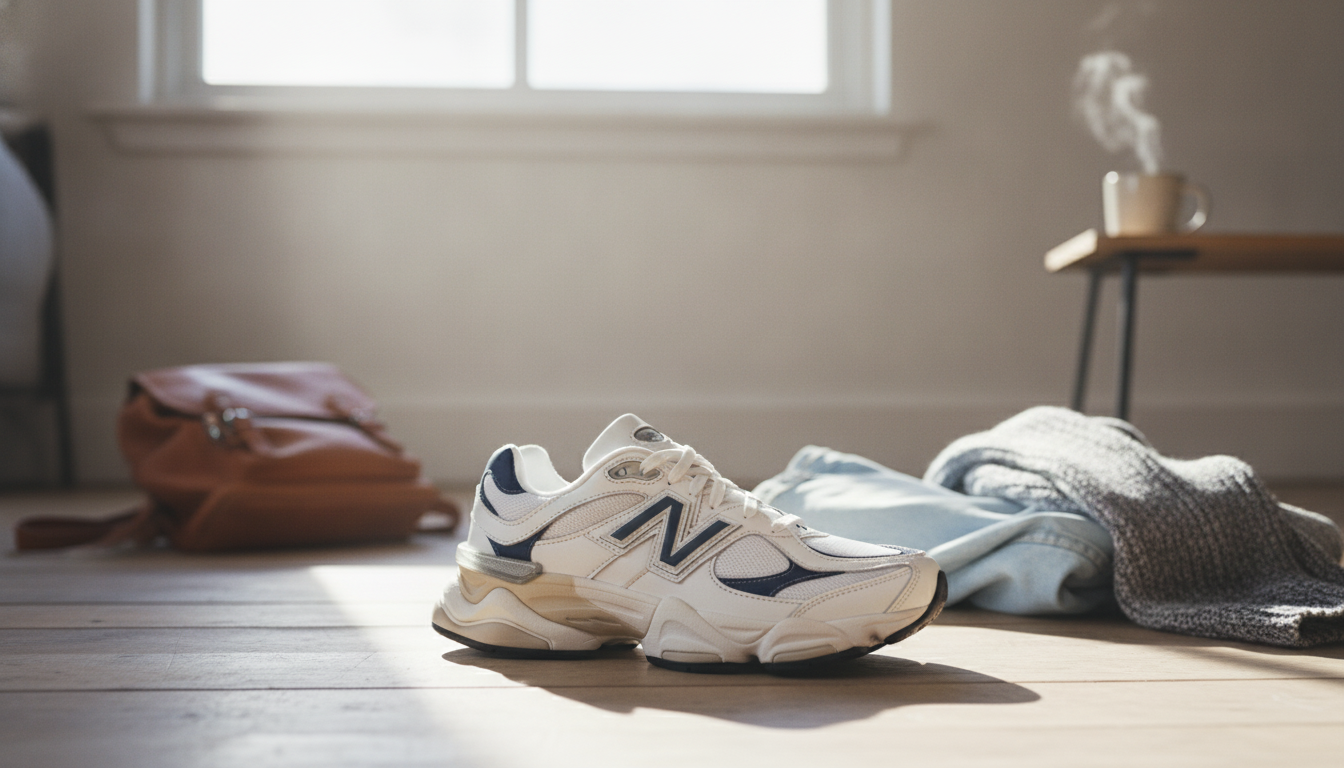
New Balance Sneakers: Comfort-First Style, Fit Tips, and Everyday Wear
New Balance sneakers have earned a reputation for comfort that holds up beyond the first few wears—whether the day involves commuting, walking around town, or being on your feet for hours. Many pairs blend a cushioned ride with a stable feel underfoot, and the brand’s mix of retro and modern silhouettes makes it easy to find something that fits both personal style and daily routine. Below is a practical guide to what makes New Balance stand out, how to choose the right features, how to dial in fit, and how to keep your sneakers looking sharp. For more guidance, see New Balance Athletic Shoe, Inc. – Case – Faculty & Research.
What Makes New Balance Sneakers Stand Out
Across running-inspired and lifestyle lines, New Balance tends to prioritize long-wear comfort. Many models are built for people who want a soft landing and an easy stride on hard surfaces like sidewalks, airport terminals, and office floors. For further reading, see New Balance is Out with New Versions of its Made in USA Sneakers.
- Comfort-forward midsoles: Cushioning is often tuned for daily wear—helpful for commuting, travel days, and casual use where comfort matters more than speed.
- Supportive design elements: A structured heel and a stable base can create a secure, “planted” sensation that feels reassuring during long hours.
- Versatile styling: Options range from classic, low-key runners to bold, chunky profiles that work with streetwear or minimal outfits.
- Fit-friendly construction: Many lines are popular with people who dislike narrow toe boxes, especially when paired with the right width and lacing.
- Material variety: Suede, mesh, and synthetics can all show up in one pair; breathability and durability depend heavily on the upper’s construction and how you care for it.
For more on the brand’s lineup and current releases, visit the New Balance official website.
Picking the Right Pair for Your Routine
Instead of chasing hype, it helps to match the shoe’s build to what a typical week looks like. Cushioning, stability, and upper materials all change how a sneaker feels over time.
- Walking and travel: Look for a stable platform plus plush cushioning, with a secure heel and a forgiving forefoot for long strolls.
- Casual everyday wear: Prioritize comfort and styling; suede/mesh blends often strike a balance between structure and airflow.
- Long hours on your feet: Choose a cushioned midsole that still feels supportive, with enough toe room to avoid pressure late in the day.
- Light workouts: If movement is more dynamic, consider models made for training or running rather than purely lifestyle designs.
- Weather and care: Mesh runs cooler but offers less protection; suede looks premium but needs extra attention in rain, dust, and mud.
Quick guide to matching features with use-cases
| Use-case | What to prioritize | Why it helps |
|---|---|---|
| Walking/commuting | Stable base + cushioning | Reduces fatigue on hard surfaces |
| All-day standing | Supportive fit + roomy toe area | Helps comfort over long shifts |
| Casual style | Materials + colorway | Pairs easily with wardrobes |
| Warm weather | Breathable mesh | Improves airflow and comfort |
| Cool/wet conditions | More structured uppers + protective materials | Adds resilience and easier wipe-down |
Fit and Sizing Notes That Matter
Even the most comfortable sneaker won’t feel right if sizing is off. A few small checks can prevent hot spots, toe pressure, and heel rub—especially on long walking days.
- Measure later in the day: Feet tend to expand, so late-day measurements can be more realistic for all-day wear. General sizing background can be helpful if you’re converting systems; see shoe size guidance.
- Leave toe room: Aim for about a thumb’s width at the front to reduce pressure during downhill steps and long walks.
- Check heel slip before sizing up: A secure heel reduces rubbing; try adjusting lacing (including a heel-lock technique) before jumping to a bigger size.
- Factor in socks and insoles: Thick socks or aftermarket insoles can take up volume; if you use them, test fit with your usual setup.
- Break-in expectations: Many lifestyle silhouettes feel good quickly, but structured uppers or suede-heavy designs may soften after a few wears.
Spotlight: New Balance 9060 Blue Sneakers
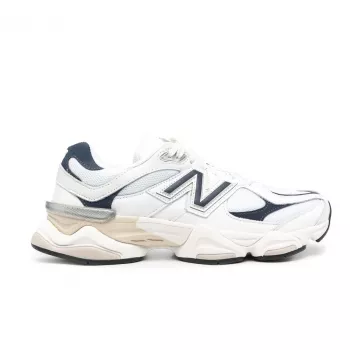
If a statement silhouette with everyday comfort is the goal, the New Balance 9060 Blue Sneakers stand out with a chunky, retro-futuristic profile that leans streetwear without feeling costume-like. This is the kind of pair that can anchor a simple outfit while still delivering a cushioned feel for errands, travel, and daily routines.
New Balance 9060 Blue Sneakers at a glance
| Detail | Info |
|---|---|
| Product | New Balance 9060 Blue Sneakers |
| Price | 145.51 USD |
| Availability | In stock |
| Product page | https://irmino.com/new-balance-9060-blue-sneakers/ |
How to Style New Balance Sneakers Without Overthinking It
Care, Cleaning, and Longevity
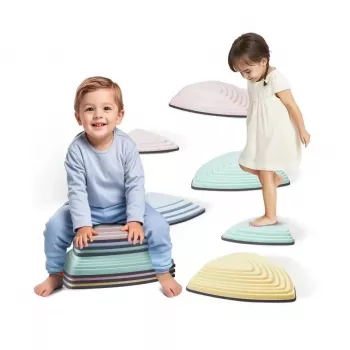
For families building balance and coordination at home, pair sneaker comfort with simple movement play like 6PCS Children’s Balance Stepping Stones.
FAQ
Are New Balance sneakers good for walking all day?
Many New Balance models are well-suited for all-day walking because they combine cushioning with a stable, supportive feel. Comfort still depends on choosing the right model for your needs and getting the fit right with appropriate socks or insoles.
Do New Balance sneakers run true to size?
Fit can vary by silhouette and materials, so it’s best to measure your feet, confirm you have a thumb’s width of toe room, and adjust lacing to reduce heel slip before changing sizes. If you plan to wear thicker socks or add insoles, test sizing with that setup.
How should New Balance sneakers be cleaned without damaging them?
Use gentle, material-aware cleaning: brush suede softly, wipe midsoles with mild soap and water, and avoid soaking the uppers. Always air-dry at room temperature and consider a protective spray if the pair includes suede or other delicate materials.











Leave a comment