-
Shop
- Advanced Technologies
- AI Career Advantage Collection
- AI Skills
- AI Skills for Creators & Freelancers
- AI Client Management
- AI Ethics
- AI Mindset
- AI Tools & Prompts
- AI Writing & Content Creation
- Audio, Voice & Music
- Design & Visual Creation
- Email, Messaging & Communication
- Freelancing & Business
- Marketing, Ads & Conversion
- Productivity, Workflow & Automation
- SEO & Search Optimization
- Social Media Content & Growth
- Strategy, Planning & Analytics
- Video Creation & Editing
- AI Skills Mastery 2026 Collection
- Car Accessories
- Confidence
- Dating & Social Skills
- Digital Resources
- AI & Technology
- Beauty
- Budgeting & Saving
- Car Buying & Ownership
- Cozy Feast Collection
- Electronics & Technology
- Entrepreneurship & Business Growth
- Financial Education
- Financial Independence
- Financial Mindset & Psychology
- Goal Setting
- Home Styling & Organization
- Kitchen & Recipes
- Leadership
- Mindfulness
- Mindset
- Online Business
- Parenting & Child Development
- Personal Style & Fashion
- Pet Lifestyle & Wellness
- Positive Thinking
- Sleep Improvement
- Smart Life with AI
- Stress Management & Relaxation
- Travel Planning
- Wellness
- Yoga & Fitness
- Yoga & Mind-Body Practices
- Education & Learning
- Family & Parenting
- Fashion
- Fashion Accessories
- Furniture
- Gadgets
- Health & Beauty
- Health & Wellness
- Home & Garden
- Home Supplies
- Jewelry
- Kids & Babies
- Kitchen
- Kitchen Best-Sellers
- Lighting
- Online Business for Beginners
- Patio, Lawn & Garden
- Personal Growth
- Pet Care
- Pet Supplies
- Pets
- Shoes
- Smart Amazon Shopping
- Smart Home Living Guides
- Sport & Outdoors
- Super Deals
- TikTok Growth & Monetization Mastery
- Travel
- Travel & Adventure
- Wealth
- Popular
- Best deals
Juicy Turkey Meatloaf: Beginner Guide to Perfect Slices
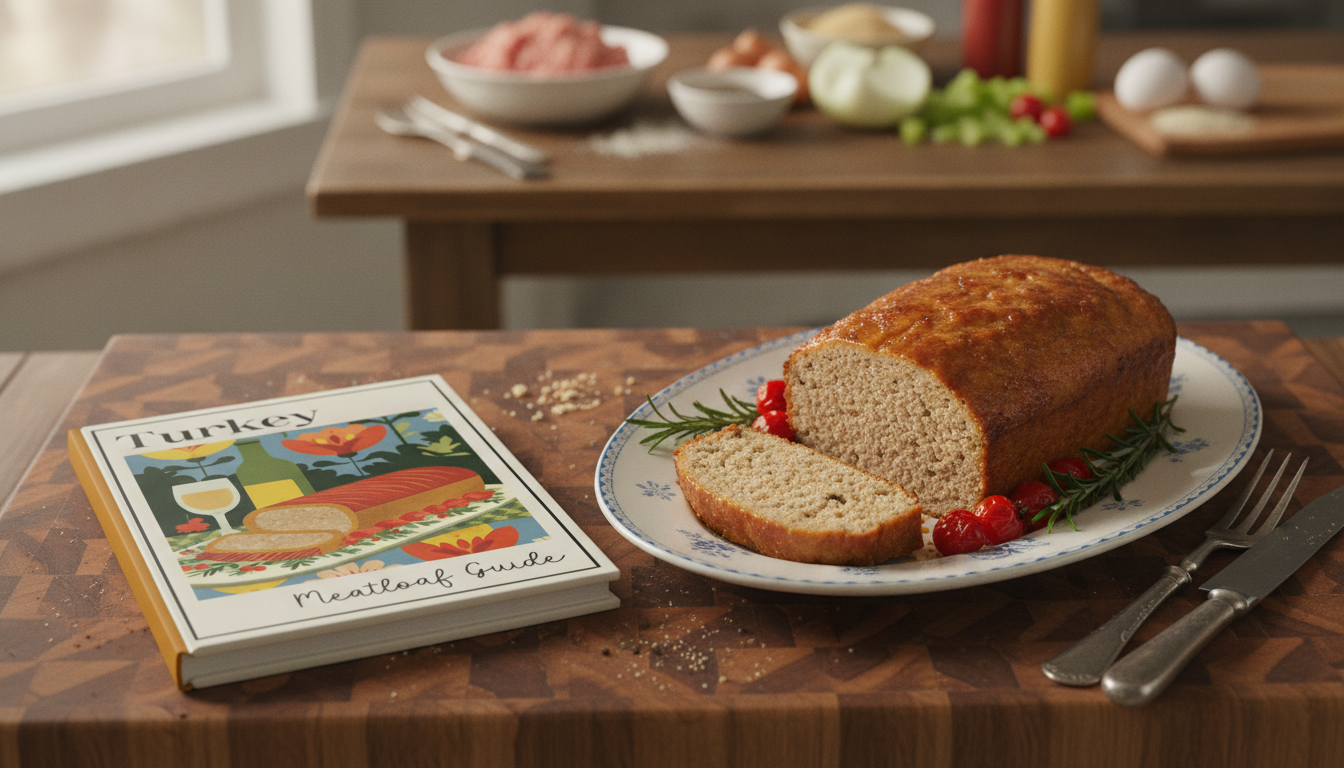
Turkey meatloaf is a weeknight-friendly classic, but it has a reputation for turning out dry or bland—especially when the turkey is very lean or the loaf stays in the oven a little too long. The good news: a juicy, sliceable turkey meatloaf comes down to a few repeatable habits—adding smart moisture, mixing gently, baking by temperature (not color), and letting the loaf rest before cutting.
What Makes Turkey Meatloaf Different
Compared with beef meatloaf, turkey needs a slightly different approach. Lean ground turkey has less fat to “self-baste,” so it benefits from moisture add-ins and careful baking. Binders (like crumbs and egg) matter, too—they hold the loaf together so you get clean slices without a dense, rubbery bite. Since turkey is milder, aromatics and seasoning do more of the heavy lifting. Finally, doneness is best judged by temperature: turkey can look pale even when safely cooked, and it can look browned before it’s done.
Ingredients That Keep It Juicy (and Why They Work)
Ground turkey: choose the right leanness
For most beginner cooks, 93% lean ground turkey is the easiest “sweet spot.” It’s lean enough to feel light, but not so lean that it dries out instantly. If you only have extra-lean turkey, plan on adding more moisture (panade, grated onion, or shredded vegetables).
Moisture boosters that don’t make it soggy
Grated onion is a simple, high-impact add-in: it melts into the loaf and adds both water and flavor. Sautéed onion works too (a little sweeter, less moisture). Shredded zucchini adds tenderness; just squeeze it well so the loaf doesn’t get watery. A small splash of milk or broth helps the binder hydrate and keeps the interior soft.
Binders: structure without toughness
Breadcrumbs, panko, crushed crackers, or quick oats help the loaf hold together. Egg sets the structure as it cooks. The goal is a loaf that slices neatly, not one that crumbles or turns bouncy from overmixing.
Seasoning and glaze: where turkey gets its personality
Garlic, paprika, Italian seasoning, mustard, Worcestershire (or soy/tamari), plus adequate salt and pepper make turkey taste “meatloaf-y” instead of flat. A glaze adds shine, moisture insurance, and that sweet-tangy contrast—ketchup and brown sugar is classic, but BBQ sauce, chili sauce, or tomato paste with a touch of honey also work well.
Step-by-Step: Mix, Shape, Bake, Rest
1) Prep your tools
Heat the oven to 350°F (177°C). Line a sheet pan (easy cleanup and better browning) or lightly grease a loaf pan (taller slices). Set out an instant-read thermometer—this is the most reliable way to avoid overbaking.
2) Make a panade (optional, but beginner-proof)
Stir your crumbs or oats with milk or broth and let it sit about 5 minutes. This hydrates the binder so it locks in moisture instead of pulling it out of the meat.
3) Combine gently
Add turkey, panade (or dry crumbs), egg, seasonings, and moisture add-ins (like grated onion or squeezed zucchini). Mix just until everything is evenly distributed. Overmixing is a common cause of tight, tough slices.
4) Shape for even cooking
For the best browning, form an even loaf (about the same thickness end-to-end) on a sheet pan. A loaf pan gives a taller, more “sandwich slice” shape, but the edges can steam more—still great if you bake to temperature and rest before slicing.
5) Glaze with intention
6) Bake to temperature, then rest
| Loaf size & pan | Oven setting | Typical time range | Doneness check |
|---|---|---|---|
| 2 lb free-form on sheet pan | 350°F / 177°C | 50–70 min | Center hits 165°F / 74°C |
| 2 lb in standard loaf pan | 350°F / 177°C | 60–80 min | Center hits 165°F / 74°C |
| 1 lb free-form | 350°F / 177°C | 35–50 min | Center hits 165°F / 74°C |
| Mini loaves or muffins | 350°F / 177°C | 20–35 min | Center hits 165°F / 74°C |
Common Mistakes and Quick Fixes
Dry texture
Crumbly slices
Greasy pooling
Bland flavor
Easy Variations for Different Diets and Pantry Swaps
Safe Handling and Storage
Keep raw turkey cold until mixing, and wash hands and sanitize surfaces after handling. For safe doneness, rely on the internal temperature guidance from the USDA FSIS safe temperature chart, and follow the CDC’s Clean, Separate, Cook, Chill basics.
Cool leftovers promptly and store in shallow containers so they chill quickly. For timing and storage best practices, the USDA FSIS leftovers guidance is a helpful reference. Reheat slices covered with a small splash of broth to prevent drying.
Printable Guide for the Kitchen
If you like having a clear checklist at the counter, Turkey Meatloaf Guide (Printable Cooking Guide) keeps ingredient ratios, mixing reminders, and the 165°F target visible while you cook. It’s also useful for meal prep, with rest-and-slicing notes you can repeat every time.
For a cozy kitchen setup while you cook (especially in darker months), Turning Your House into a Glowing Retreat: Cozy Home Lighting Tips & Guides includes practical ideas for warm, task-friendly lighting around prep areas and the stove.
FAQ
What temperature should turkey meatloaf reach?
Check the thickest center with an instant-read thermometer and cook until it reaches 165°F (74°C). Rest 10–15 minutes before slicing for cleaner cuts and better moisture.
How can turkey meatloaf be kept from drying out?
Use 93% lean turkey, add a moisture booster (grated onion, a milk/broth panade, or shredded zucchini), and mix gently. Stop baking as soon as the center hits 165°F (74°C).
Is it better to bake turkey meatloaf in a loaf pan or free-form?
Free-form on a sheet pan browns more and sheds moisture, while a loaf pan makes taller slices but can steam the edges. Either works well when you bake to 165°F (74°C) and rest before slicing.
















Leave a comment