-
Shop
- Advanced Technologies
- AI Career Advantage Collection
- AI Skills
- AI Skills for Creators & Freelancers
- AI Client Management
- AI Ethics
- AI Mindset
- AI Tools & Prompts
- AI Writing & Content Creation
- Audio, Voice & Music
- Design & Visual Creation
- Email, Messaging & Communication
- Freelancing & Business
- Marketing, Ads & Conversion
- Productivity, Workflow & Automation
- SEO & Search Optimization
- Social Media Content & Growth
- Strategy, Planning & Analytics
- Video Creation & Editing
- AI Skills Mastery 2026 Collection
- Car Accessories
- Confidence
- Dating & Social Skills
- Digital Resources
- AI & Technology
- Beauty
- Budgeting & Saving
- Car Buying & Ownership
- Cozy Feast Collection
- Electronics & Technology
- Entrepreneurship & Business Growth
- Financial Education
- Financial Independence
- Financial Mindset & Psychology
- Goal Setting
- Home Styling & Organization
- Kitchen & Recipes
- Leadership
- Mindfulness
- Mindset
- Online Business
- Parenting & Child Development
- Personal Style & Fashion
- Pet Lifestyle & Wellness
- Positive Thinking
- Sleep Improvement
- Smart Life with AI
- Stress Management & Relaxation
- Travel Planning
- Wellness
- Yoga & Fitness
- Yoga & Mind-Body Practices
- Education & Learning
- Family & Parenting
- Fashion
- Fashion Accessories
- Furniture
- Gadgets
- Health & Beauty
- Health & Wellness
- Home & Garden
- Home Supplies
- Jewelry
- Kids & Babies
- Kitchen
- Kitchen Best-Sellers
- Lighting
- Online Business for Beginners
- Patio, Lawn & Garden
- Personal Growth
- Pet Care
- Pet Supplies
- Pets
- Shoes
- Smart Amazon Shopping
- Smart Home Living Guides
- Sport & Outdoors
- Super Deals
- TikTok Growth & Monetization Mastery
- Travel
- Travel & Adventure
- Wealth
- Popular
- Best deals
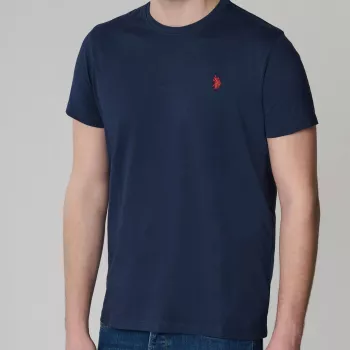
U.S. Polo Assn. Men’s Short Sleeve T-Shirt: Fit & Care
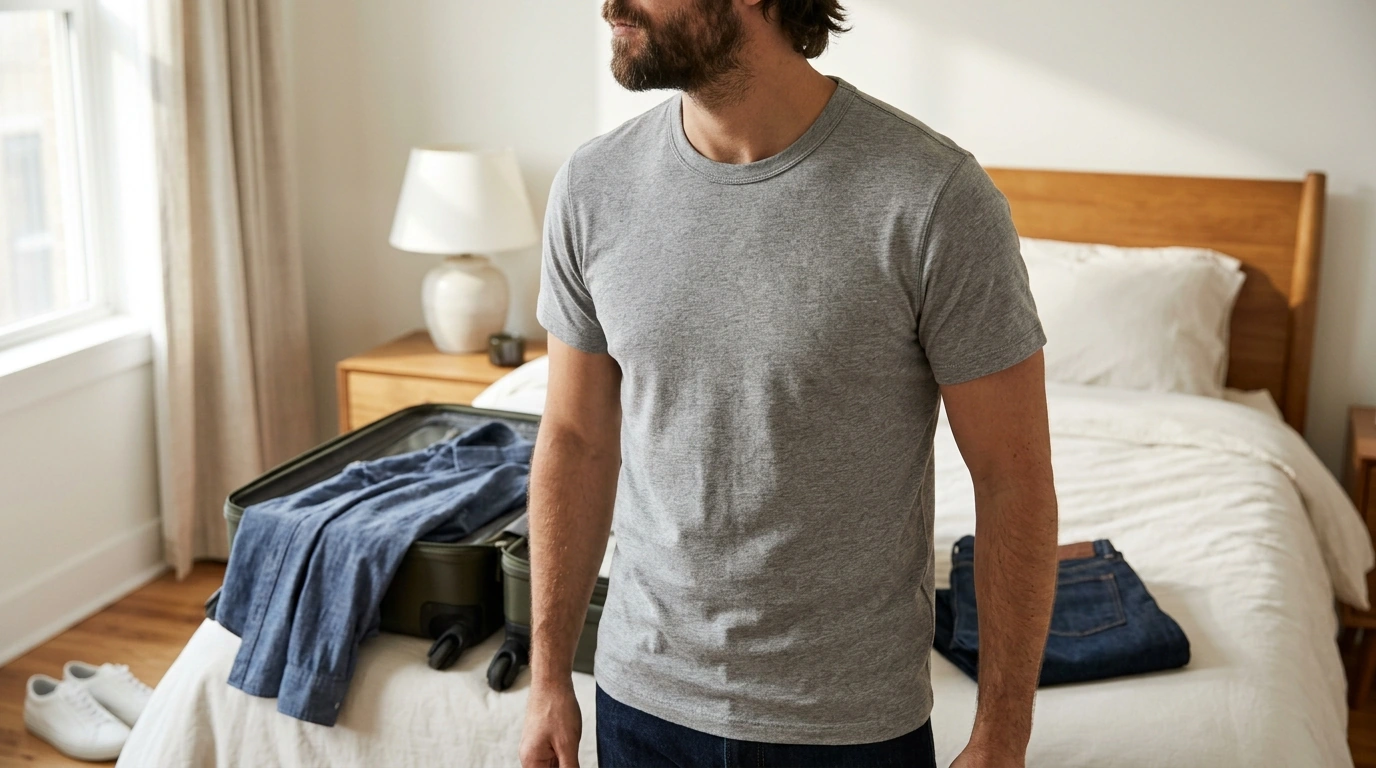
U.S. Polo Assn. Men’s Short Sleeve T-Shirt: an easy everyday staple
A short sleeve T-shirt earns its place in a daily rotation because it’s simple, reliable, and adaptable. Worn on its own, it keeps an outfit clean and effortless; layered under an overshirt or light jacket, it becomes a year-round building block. The U.S. Polo Assn. Men’s Short Sleeve T-Shirt fits that “grab-and-go” role—ideal for casual outfits, travel, and smart-casual looks when the fit and fabric are chosen with intention.
At a glance
- Everyday short sleeve T-shirt designed for simple outfits and easy layering
- Works with jeans, chinos, shorts, and under overshirts or light jackets
- Best results come from choosing the right fit (shoulders, chest, and length) and following garment-care instructions on the label
Quick details
| Item | Details |
|---|---|
| Product | U.S. Polo Assn. Men’s Short Sleeve T-Shirt |
| Price | $23.01 USD |
| Availability | In stock |
| Product page | https://irmino.com/u-s-polo-assn-mens-short-sleeve-t-shirt/ |
Fit that looks clean and feels comfortable
Fit is what separates a T-shirt that looks “finished” from one that looks sloppy—even when everything else in the outfit is solid. Use these checkpoints to dial it in:
- Shoulders: The shoulder seams should sit close to the edge of your shoulders. If they drop far down the upper arm, the shirt can read as oversized (which can be intentional, but it changes the vibe).
- Sleeves: A balanced sleeve usually lands around mid-bicep. Longer sleeves can feel sportier; shorter sleeves can look more fitted and emphasize the arm.
- Chest and torso: Aim for a light drape—no pulling across the chest, and no ballooning around the waist. Excess fabric at the midsection tends to look boxy, especially when tucked or layered.
- Length: The hem should cover the waistband and stay put when you raise your arms. If layering is the plan, a slightly longer hem helps avoid a “short underlayer” look under overshirts and jackets.
- Neckline: A crew neck that lies flat looks sharper under outer layers. If the collar is already stretched, even a brand-new tee can look worn-in in the wrong way.
Fabric and build cues to check before buying
Two tees can look similar on the product page and wear completely differently in real life. When available, scan the specs and label details before committing.
- Material blend: Cotton-forward fabrics typically feel breathable and comfortable for daily wear. Blends can improve durability or help the shirt keep its shape—confirm the exact composition on the label/specs.
- Weight and opacity: Lightweight tees feel airy but may be more sheer, especially in lighter colors. Midweight tees usually hold structure better and layer cleanly.
- Stitching and seams: Even, tidy stitching along the shoulders, collar, and hem is a good sign for long-term wear. Wavy seams can hint at stretching or inconsistent construction.
- Collar quality: A collar that rebounds after a light tug is more likely to stay crisp after repeated washes.
- Color and finish: Solid colors are the easiest to style. Heathered finishes are forgiving, often hiding minor wrinkles and the small wear marks that show up in daily use.
Outfit ideas for different settings
A short sleeve tee works hardest when it can move between errands, dinner plans, and casual offices with just a couple of changes.
Alternative for a crisp white rotation
If the goal is a bright white tee that leans minimalist and looks sharp with light denim or summer chinos, consider adding Levi’s Men’s White Short-Sleeve T-Shirt as a second option in a similar price range. Keeping one neutral everyday tee plus a brighter or darker tee covers most casual outfits without overthinking it.
Care routine to help it last
- Start with the care label: The most reliable instructions are the ones attached to the garment. Care information is standardized for consumers under rules like the FTC Care Labeling Rule.
- Wash cold when possible: Cold water helps reduce fading and lowers shrink risk. Turn the shirt inside out to protect the outer surface and color.
- Use a gentle cycle: Softer knits can twist and stretch when washed aggressively. Avoid overloading the machine so the shirt can move without being pulled.
- Skip high heat drying: Air-drying (or low heat) helps preserve fit and keeps collars from warping over time.
- Store smart: If the knit tends to stretch, fold instead of hanging to avoid shoulder bumps. Always store fully dry to prevent odor and fabric damage; for more fundamentals, the American Cleaning Institute’s laundry basics are a helpful reference.
When to choose this tee versus a similar option
FAQ
How should a men’s short sleeve T-shirt fit at the shoulders and sleeves?
Shoulder seams should sit near the edge of the shoulders, and sleeves typically look most balanced when they land around mid-bicep. The chest should drape lightly without pulling; oversized fits can work, but they should look intentional rather than accidental.
How can shrinking and fading be minimized after washing?
Check the care label first, then wash in cold water and turn the shirt inside out to protect the color. Use a gentle cycle and avoid high heat drying; some shrinkage can still happen depending on the fabric.
What’s the easiest way to dress up a T-shirt without looking sloppy?
Start with a clean fit and a wrinkle-free tee, then pair it with chinos and a belt. Add a structured layer like an overshirt or unstructured blazer, and finish with clean shoes to keep the outfit polished.












Leave a comment