-
Shop
- Advanced Technologies
- AI Career Advantage Collection
- AI Skills
- AI Skills for Creators & Freelancers
- AI Client Management
- AI Ethics
- AI Mindset
- AI Tools & Prompts
- AI Writing & Content Creation
- Audio, Voice & Music
- Design & Visual Creation
- Email, Messaging & Communication
- Freelancing & Business
- Marketing, Ads & Conversion
- Productivity, Workflow & Automation
- SEO & Search Optimization
- Social Media Content & Growth
- Strategy, Planning & Analytics
- Video Creation & Editing
- AI Skills Mastery 2026 Collection
- Car Accessories
- Confidence
- Dating & Social Skills
- Digital Resources
- AI & Technology
- Beauty
- Budgeting & Saving
- Car Buying & Ownership
- Cozy Feast Collection
- Electronics & Technology
- Entrepreneurship & Business Growth
- Financial Education
- Financial Independence
- Financial Mindset & Psychology
- Goal Setting
- Home Styling & Organization
- Kitchen & Recipes
- Leadership
- Mindfulness
- Mindset
- Online Business
- Parenting & Child Development
- Personal Style & Fashion
- Pet Lifestyle & Wellness
- Positive Thinking
- Sleep Improvement
- Smart Life with AI
- Stress Management & Relaxation
- Travel Planning
- Wellness
- Yoga & Fitness
- Yoga & Mind-Body Practices
- Education & Learning
- Family & Parenting
- Fashion
- Fashion Accessories
- Furniture
- Gadgets
- Health & Beauty
- Health & Wellness
- Home & Garden
- Home Supplies
- Jewelry
- Kids & Babies
- Kitchen
- Kitchen Best-Sellers
- Lighting
- Online Business for Beginners
- Patio, Lawn & Garden
- Personal Growth
- Pet Care
- Pet Supplies
- Pets
- Shoes
- Smart Amazon Shopping
- Smart Home Living Guides
- Sport & Outdoors
- Super Deals
- TikTok Growth & Monetization Mastery
- Travel
- Travel & Adventure
- Wealth
- Popular
- Best deals
2 Carat D Color VVS1 Moissanite Ring in 18K White Gold
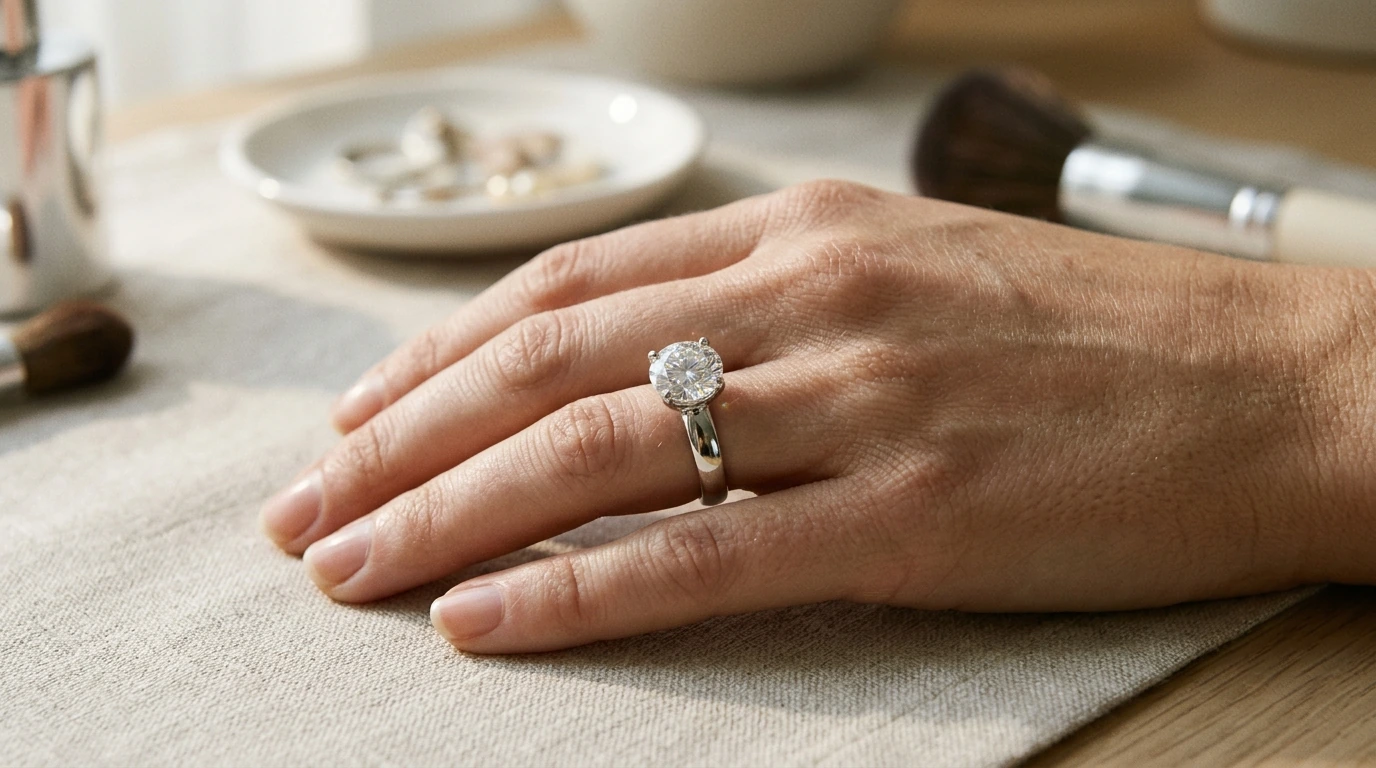
2 Carat Moissanite Engagement Ring in 18K White Gold (VVS1, D Color): What to Know Before Buying
A 2 carat moissanite engagement ring in 18K white gold delivers a bright, high-end look with durability that fits real life. If you’re comparing specs like “VVS1” and “D color,” it helps to translate those grades into what you’ll actually see on the hand—plus what you’ll maintain over time. Below is a practical breakdown of appearance, comfort, sparkle, and the checkpoints that keep surprises to a minimum.
Quick look at the ring
This style is built around a bold center stone with a crisp white-metal finish. The combination is popular for shoppers who want a colorless, eye-clean look with a lot of presence—without the delicate feel some ultra-thin designs can have.
| Feature | What it means | Why it matters |
|---|---|---|
| Carat weight | 2 carats (center stone) | Creates noticeable presence and a classic engagement-ring statement |
| Color grade | D (colorless) | Keeps the stone looking icy-white, especially in white metal |
| Clarity grade | VVS1 | Very difficult to see inclusions; typically looks extremely clean to the eye |
| Metal | 18K white gold | Premium gold content; bright white look (often with rhodium plating) |
| Wearability | Everyday-friendly with proper care | Hard stone plus secure setting checks reduce maintenance surprises |
What “D color” looks like in real life
D color is the “colorless” end of the grading scale—meaning the stone is intended to look clean, bright, and free of visible warmth in most lighting. In 18K white gold, that colorless look tends to feel especially seamless: the center stone and the metal read as one crisp, silvery-white palette.
One practical note: when a stone and metal are both very bright, everyday smudges can be more noticeable (think lotion, soap film, or cooking oils). A quick at-home cleaning routine often makes a bigger difference than changing grades. If your ring includes side stones or a halo, matching their color as closely as possible helps the overall ring look consistent rather than “two-tone.” For a deeper overview of how color grading is defined, see GIA — Diamond Grading: Color.
How VVS1 clarity affects the look (and value)
VVS1 indicates extremely tiny inclusions that are difficult to detect even under magnification. On the hand, the benefit is simple: the stone usually looks “glass-like” and confidently clean at normal viewing distances—especially in a larger, more attention-grabbing size like 2 carats.
Clarity also interacts with cut quality and cleanliness. A well-cut stone can look sharper and brighter than a higher-clarity stone with a less lively cut, and a slightly dirty stone can look hazier than a lower grade. If cut details (shape, facet style, or polish/symmetry notes) are available, they’re worth reviewing alongside the clarity grade. For background on what clarity grades represent, reference GIA — Diamond Grading: Clarity.
18K white gold: durability, color, and upkeep
18K white gold contains a higher percentage of pure gold than 14K, giving it a richer fine-jewelry feel while still being suitable for daily wear. White gold gets its bright tone from its alloy mix and, in many pieces, a rhodium plating that creates that crisp, “mirror white” finish.
Over time, rhodium can wear down—especially on the bottom of the band where friction is constant—so occasional re-plating may be part of long-term ownership. How quickly that happens depends on skin chemistry and habits like frequent hand sanitizer use, cleaning products, gym lifting, and swimming. If low-maintenance whiteness is a top priority, confirm how the ring is finished and whether re-plating is expected as routine service.
Sparkle profile: what to expect from moissanite at 2 carats
Fit, comfort, and lifestyle checks before buying
Setting height and daily comfort
Prongs, security, and band strength
Sizing and service options
Finger size changes with temperature, travel, and even time of day. Check whether resizing is available and what the return/exchange policy requires (timelines, condition rules, and shipping responsibilities). For additional guidance on jewelry advertising and disclosures, consult the Federal Trade Commission — Jewelry Guides.
Comparing this style to common alternatives
| Option | Best for | Trade-offs to consider |
|---|---|---|
| 18K white gold + moissanite | Bright white look, strong sparkle, fine-jewelry feel | Possible rhodium re-plating over time; very fiery sparkle |
| 14K white gold + moissanite | Everyday durability with a white-metal look | Slightly less gold content; similar plating upkeep considerations |
| White gold + diamond | Classic diamond look and market familiarity | Typically higher price for similar size/appearance |
| Platinum + moissanite/diamond | Naturally white metal with high density | Often higher cost; can develop patina rather than staying mirror-bright |
Buying checklist: what to confirm before checkout
In-stock picks
- 2 Carat Moissanite Engagement Ring in 18K White Gold VVS1 D Color — $210.01
- Calvin Klein Jeans Women’s Grey Print Wallet with Zip Fastening — $38.01
- Levi’s Men’s White Short-Sleeve T-Shirt — $21.27
FAQ
Will a D color moissanite look too white in 18K white gold?
D color is intentionally colorless, so it’s meant to look bright and icy-white—especially when paired with a white metal. Lighting can change how “crisp” it appears, and regular cleaning helps maintain that clean, white look.
Is VVS1 clarity noticeable compared with VS or SI for an engagement ring?
In many cases, VVS1 and VS can both look eye-clean in everyday wear, so the visual difference may be subtle. VVS1 mainly adds peace of mind for a very clear look, while cut quality and keeping the stone clean can have an equally big impact on sparkle.
Does white gold need re-plating?
Many white gold rings are rhodium-plated for a bright white finish, and that plating can wear down over time. If the ring starts to look slightly warmer or duller, a jeweler can typically re-plate it to refresh the bright look.










Leave a comment