-
Shop
- Advanced Technologies
- AI Career Advantage Collection
- AI Skills
- AI Skills for Creators & Freelancers
- AI Client Management
- AI Ethics
- AI Mindset
- AI Tools & Prompts
- AI Writing & Content Creation
- Audio, Voice & Music
- Design & Visual Creation
- Email, Messaging & Communication
- Freelancing & Business
- Marketing, Ads & Conversion
- Productivity, Workflow & Automation
- SEO & Search Optimization
- Social Media Content & Growth
- Strategy, Planning & Analytics
- Video Creation & Editing
- AI Skills Mastery 2026 Collection
- Car Accessories
- Confidence
- Dating & Social Skills
- Digital Resources
- AI & Technology
- Beauty
- Budgeting & Saving
- Car Buying & Ownership
- Cozy Feast Collection
- Electronics & Technology
- Entrepreneurship & Business Growth
- Financial Education
- Financial Independence
- Financial Mindset & Psychology
- Goal Setting
- Home Styling & Organization
- Kitchen & Recipes
- Leadership
- Mindfulness
- Mindset
- Online Business
- Parenting & Child Development
- Personal Style & Fashion
- Pet Lifestyle & Wellness
- Positive Thinking
- Sleep Improvement
- Smart Life with AI
- Stress Management & Relaxation
- Travel Planning
- Wellness
- Yoga & Fitness
- Yoga & Mind-Body Practices
- Education & Learning
- Family & Parenting
- Fashion
- Fashion Accessories
- Furniture
- Gadgets
- Health & Beauty
- Health & Wellness
- Home & Garden
- Home Supplies
- Jewelry
- Kids & Babies
- Kitchen
- Kitchen Best-Sellers
- Lighting
- Online Business for Beginners
- Patio, Lawn & Garden
- Personal Growth
- Pet Care
- Pet Supplies
- Pets
- Shoes
- Smart Amazon Shopping
- Smart Home Living Guides
- Sport & Outdoors
- Super Deals
- TikTok Growth & Monetization Mastery
- Travel
- Travel & Adventure
- Wealth
- Popular
- Best deals
AI Destination Finder for Solo Travel: Safety Checklist

AI-Powered Destination Finder for Solo Travel: A Smarter Way to Choose Where to Go
Picking a solo travel destination can feel overwhelming because the “best” place depends on more than pretty photos. Safety, transportation, arrival times, neighborhood choices, and your personal comfort level all matter—and they matter together. An AI-assisted destination workflow helps you compare options consistently, spot risks earlier, and move from vague ideas to a short, confident shortlist.
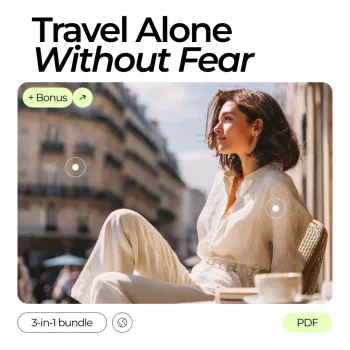
If you want a structured approach you can reuse for every trip, the AI-Powered Destination Finder for Solo Travel | Checklist & Safety Guide | AI to Find Safe Destinations for Solo Travelers | Digital Download is designed to turn scattered research into a repeatable decision process—without turning travel planning into a fear spiral.
What the Destination Finder Helps Decide
A solid solo destination decision usually comes down to “fit” plus “feasible.” This framework helps you evaluate both:
- Trip-match shortlisting: Narrow destinations based on your traveler profile, comfort level, and goals—culture, nature, beaches, city breaks, or slower travel.
- Safety-first reality check: Consider common scams, transportation realities, accommodation expectations, and situational awareness habits before committing.
- Overlooked “fit” factors: Arrival time, walkability at night, language barrier, and how quickly you can access help in an emergency.
- Repeatable next steps: A consistent checklist for planning, packing, and on-the-ground routines so you don’t reinvent your process every time.
How to Use the AI Workflow (Step-by-Step)
The point of an AI-assisted workflow isn’t to outsource judgment—it’s to organize it. A practical step-by-step approach looks like this:
- Define constraints: Budget range, trip length, season, visa tolerance, and preferred pace (busy days vs. slow mornings).
- Set safety boundaries: Your comfort with nightlife, public transport, walking after dark, and whether you prefer women-focused hostels/hotels or 24/7 staffed properties.
- Generate candidates: Start broad (10–20 destinations), then narrow to 3–5 using consistent scoring. This prevents “I saw a video so now I’m going there” decisions.
- Validate with reliable sources: Confirm conditions with authoritative guidance and local updates before booking. Good starting points include the U.S. Department of State, the UK Foreign travel advice, and the World Health Organization travel and health guidance.
- Lock logistics: Choose arrival windows, plan safe airport transfers, pick neighborhoods intentionally, and set a simple communications plan for key days.
Safety Criteria That Matter Most for Solo Travelers
“Safe enough” is personal, but certain criteria predict whether a trip will feel smooth or stressful. When comparing destinations, focus on the items that reduce uncertainty and limit avoidable exposure:
- Neighborhood selection: Prioritize areas with consistent reviews mentioning lighting, walkability, and reliable transit—busy enough to feel normal, not chaotic enough to feel risky.
- Transportation reality: Look at airport transfers, intercity routes, and whether late-night arrivals force complicated ground travel. If a place is safe in daytime but challenging after midnight, your flight timing matters.
- Accommodation security basics: Clear check-in procedures, secure entry, lockers or in-room safes, and reviews that mention staff helpfulness when plans change.
- Common scams and situational risks: Identify the top 3–5 known issues and plan simple countermeasures (for example: official taxi stands only, no “helpful stranger” currency exchanges, receipts for tours).
- Connectivity and backups: eSIM/SIM readiness, offline maps, emergency contacts, and a plan for what you’ll do if your phone is lost or stolen.
Quick Checklist Scoring Table for Destination Shortlisting
A scorecard makes comparisons fair. Rate each destination from 1–5 per category, and weight safety and logistics higher than “nice-to-haves” when traveling solo.
| Category | What to Check | Score (1–5) |
|---|---|---|
| Official advisory level | Current guidance, regional differences, and known hotspots | |
| Arrival & transport | Safe airport transfer options; late-night transit reliability | |
| Neighborhood fit | Walkability, lighting, reviews mentioning safety and noise | |
| Accommodation security | Secure entry, reception hours, lockers/safe, staff support | |
| Health & environment | Seasonal weather risks, heat, altitude, air quality, outbreaks | |
| Language & navigation | Ease of communication, signage, app coverage, offline maps | |
| Budget realism | Daily costs including safe transport and decent lodging | |
| Personal comfort | Crowds, nightlife intensity, cultural norms, solo-friendliness |
Practical Solo Safety Habits (Before and During the Trip)
A good destination choice gets even better when your routines are set up to prevent small problems from becoming big ones.
What’s Included in the Digital Download
Get the full framework here: AI-Powered Destination Finder for Solo Travel | Checklist & Safety Guide | AI to Find Safe Destinations for Solo Travelers | Digital Download.
Who This Works Best For
Other Popular Digital Guides
- PayPal for Buying a Car: The Ultimate Guide to Using PayPal for Car Purchases – Pros, Cons & Step-by-Step Tips
- Turning Your House into a Glowing Retreat: Cozy Home Lighting Tips & Guides
FAQ
Does an AI destination finder replace checking official travel advisories?
No. Use AI to shortlist destinations and organize what to evaluate, then confirm your decision with official advisories and current local conditions from authoritative sources.
Is this a physical product or a digital download?
It’s a digital download available immediately after purchase, and it’s designed to be reused for multiple trips and different destination types.
How do solo travelers use the checklist once a destination is chosen?
Use it to confirm booking details like arrival time, transfers, and neighborhood selection, then reuse the daily routines section on the ground for safer habits and backup plans.
Recommended for you


Energy Balance AI Bundle: Digital Planner Checklists
Jun 20, 2026













Leave a comment