-
Shop
- Advanced Technologies
- AI Career Advantage Collection
- AI Skills
- AI Skills for Creators & Freelancers
- AI Client Management
- AI Ethics
- AI Mindset
- AI Tools & Prompts
- AI Writing & Content Creation
- Audio, Voice & Music
- Design & Visual Creation
- Email, Messaging & Communication
- Freelancing & Business
- Marketing, Ads & Conversion
- Productivity, Workflow & Automation
- SEO & Search Optimization
- Social Media Content & Growth
- Strategy, Planning & Analytics
- Video Creation & Editing
- AI Skills Mastery 2026 Collection
- Car Accessories
- Confidence
- Dating & Social Skills
- Digital Resources
- AI & Technology
- Beauty
- Budgeting & Saving
- Car Buying & Ownership
- Cozy Feast Collection
- Electronics & Technology
- Entrepreneurship & Business Growth
- Financial Education
- Financial Independence
- Financial Mindset & Psychology
- Goal Setting
- Home Styling & Organization
- Kitchen & Recipes
- Leadership
- Mindfulness
- Mindset
- Online Business
- Parenting & Child Development
- Personal Style & Fashion
- Pet Lifestyle & Wellness
- Positive Thinking
- Sleep Improvement
- Smart Life with AI
- Stress Management & Relaxation
- Travel Planning
- Wellness
- Yoga & Fitness
- Yoga & Mind-Body Practices
- Education & Learning
- Family & Parenting
- Fashion
- Accessories
- Alexander McQueen
- Bags
- Bags & Wallets
- Belts
- Blazers
- Bottega Veneta
- Bottoms
- Brunello Cucinelli
- Chloé
- Clothing
- Dolce & Gabbana
- Dresses
- Etro
- Hats & Hair Accessories
- Hoodies & Sweatshirts
- Jacquemus
- Jil Sander
- Kiton
- Luggage
- Miu Miu
- Off-White
- Outerwear
- Rick Owens
- Scarves
- Socks & Tights
- Sweaters & Cardigans
- The Row
- Tom Ford
- Tops & Shirts
- Valentino Garavani
- Vivienne Westwood
- Watches
- Fashion Accessories
- Furniture
- Gadgets
- Health & Beauty
- Health & Wellness
- Home & Garden
- Home Supplies
- Jewelry
- Kids & Babies
- Kitchen
- Kitchen Best-Sellers
- Lighting
- Luxury Brands Collection
- Online Business for Beginners
- Patio, Lawn & Garden
- Personal Growth
- Pet Care
- Pet Supplies
- Pets
- Shoes
- Smart Amazon Shopping
- Smart Home Living Guides
- Sport & Outdoors
- Super Deals
- TikTok Growth & Monetization Mastery
- Travel
- Travel & Adventure
- Wealth
- Popular
- Best deals
Outdoor Insect Catching Set: Gentle Bug Catch & Release
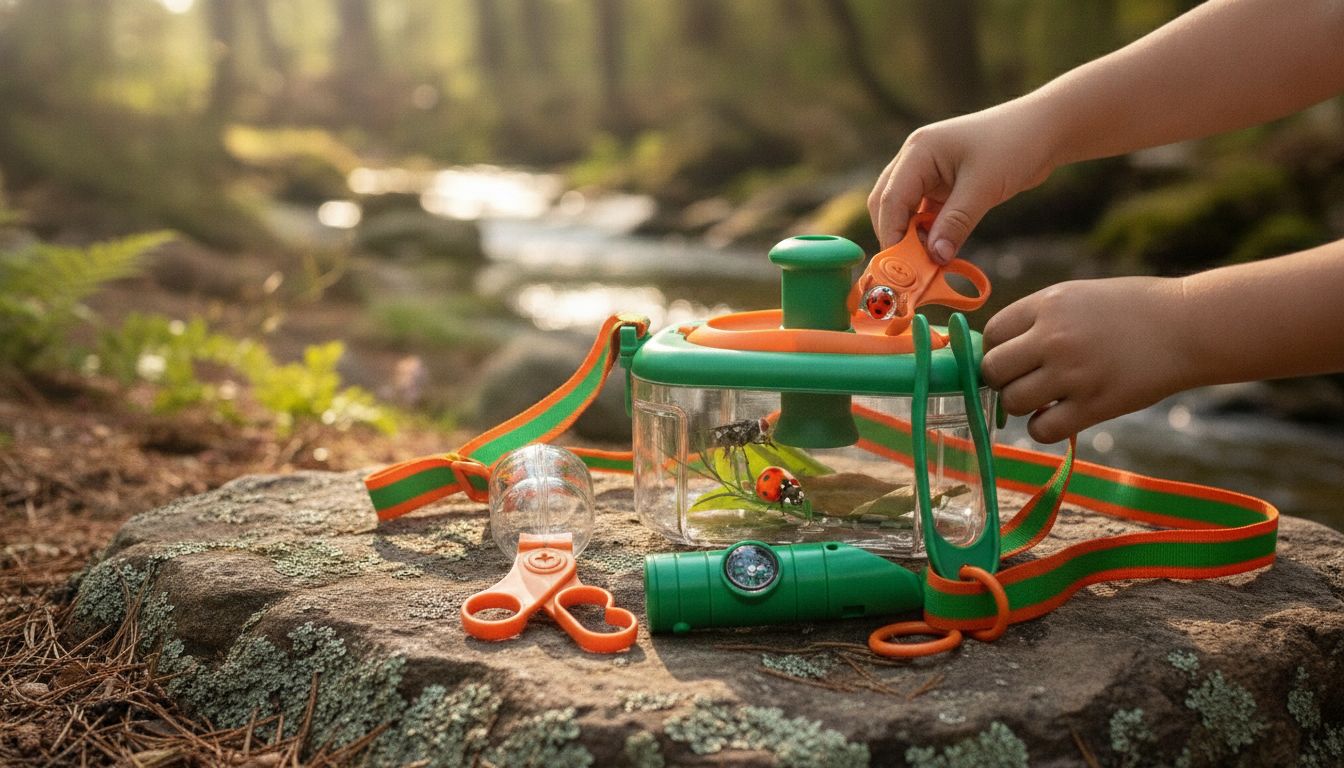
Outdoor Insect Catching Set for Backyard Nature Exploration
An outdoor insect catching set helps kids and beginners observe bugs up close while learning respect for living things. With a few simple tools and a gentle approach, backyard hunts can turn into hands-on science—without harming insects or disrupting habitats. The goal is simple: brief, careful observation, then a prompt return to the same spot so the insect can continue its day.
What’s Included and What Each Tool Does
Most catching kits combine quick-capture tools with clear containers and simple viewing aids. When the set is for kids, the best ones feel comfortable in small hands and are built to reduce accidental harm—think smooth edges, secure closures, and parts that are easy to open and close without slamming.
- Catching tools are designed to help scoop or capture small insects quickly without squeezing or crushing.
- Observation pieces make it easier to view details like wings, antennae, and body segments before releasing.
- A good set supports short viewing sessions, easy carrying, and simple cleanup after outdoor use.
- Look for smooth edges, secure closures, and parts sized for children’s hands when the set is for kids.
Common Tools in an Insect Catching Set and How They’re Used
| Tool | Best for | Tips for gentle use |
|---|---|---|
| Bug catcher or grabber | Quickly capturing crawling insects like beetles and ants | Approach slowly; capture on flat ground; avoid pinching |
| Bug net | Flying insects like butterflies and small moths | Sweep in a figure-eight motion; transfer promptly to a container |
| Viewing container | Short observation of most small insects | Keep shaded; limit viewing time; add a small leaf for perching |
| Tweezers or soft forceps (if included) | Moving leaves or lifting tiny non-stinging insects | Use only for habitat materials when possible, not the insect itself |
| Magnifier | Seeing fine details (veins on wings, legs, mouthparts) | Hold steady; use indirect light to avoid overheating the container |
Best Places and Times to Look for Insects
Insects follow patterns: warmth, moisture, shelter, and food. Planning your search around those basics makes a backyard session more successful—and often calmer for kids who want to “find something fast.”
- Early morning and late afternoon often bring more activity and milder temperatures.
- Check around flowers, garden beds, compost edges, porch lights, and under leaves or stones (replace any stones exactly as found).
- After a light rain, worms and many crawling insects become more visible; avoid flooded areas.
- Choose safe locations away from pesticide-treated lawns, ant hills, and heavy foot traffic.
For an easy start, pick one “micro-zone” (like a single garden bed edge) and search slowly for 5–10 minutes. You’ll often spot movement you’d miss while roaming around.
How to Catch and Observe Without Harming Insects
Gentle catching is less about speed and more about calm, predictable movement. A good rule: if the insect is scrambling, it’s stressed—reduce light, shorten the viewing time, and release sooner.
- Capture first, observe second: move the insect into a viewing container quickly to reduce stress.
- Keep the container shaded; direct sun can heat small containers fast.
- Keep observation brief (a few minutes) and release the insect where it was found.
- Avoid handling stinging insects and spiders; observe them at a distance instead.
- Wash hands after outdoor handling and avoid touching eyes or mouth during collecting.
If you’re using a container, a tiny leaf or blade of grass can help insects perch instead of sliding around on smooth plastic. Skip adding water unless the container is designed for it—spills and humidity can be risky for small bugs.
Outdoor Safety: Bites, Allergies, and Repellent Basics
Backyard exploring should feel adventurous, not stressful. A few practical steps—clothing, repellent, and awareness—go a long way, especially in mosquito- or tick-prone areas.
- Wear closed-toe shoes in grassy areas and consider long sleeves in tick-heavy regions.
- Use insect repellent according to label instructions; for children, an adult should apply it.
- Do a quick tick check after exploring tall grass or brush, especially behind knees, around waistbands, and along hairlines.
- If a sting or bite causes trouble breathing, facial swelling, or widespread hives, seek emergency medical care.
- Avoid disturbing nests (wasps, hornets, ants) and do not reach into holes, logs, or thick ground cover.
For guidance you can trust, review the CDC’s tips on preventing tick bites and the EPA’s tool to find the right insect repellent. The National Park Service also shares practical basics for insect bite prevention.
Ideas for Learning Activities
A catching set is more fun when there’s a simple mission. These activities keep sessions structured, short, and discovery-focused—without turning playtime into homework.
Care, Cleaning, and Storage
Outdoor Insect Catching Set: A Ready-to-Go Option
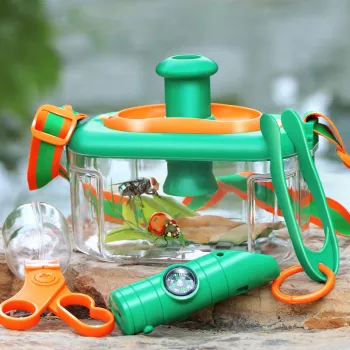
If you want an easy way to get started, a single kit can simplify setup for backyard exploration, nature walks, and park outings. The Outdoor Insect Catching Set is designed for quick capture, close inspection, and prompt release—ideal for short, supervised learning sessions.
For kids who like to turn the whole yard into an obstacle course between “bug zones,” add a movement break with 6PCS Children’s Balance Stepping Stones. Alternating between active play and quiet observation helps many children stay engaged longer.
FAQ
Is it safe for kids to catch insects?
Yes, with supervision and basic rules: avoid stinging insects and spiders, use a container instead of bare hands, and wash hands after. Keep observation brief and release insects where they were found.
How long should an insect stay in a viewing container?
Keep it short—generally a few minutes—while staying out of direct sun. Release the insect in the same area you found it to reduce stress and prevent habitat disruption.
Should insect repellent be used during bug catching?
Often yes in mosquito- or tick-heavy areas. Follow the label directions, have an adult apply it to children, and avoid putting repellent on hands that will touch faces or tools.














Leave a comment