-
Shop
- Advanced Technologies
- AI Career Advantage Collection
- AI Skills
- AI Skills for Creators & Freelancers
- AI Client Management
- AI Ethics
- AI Mindset
- AI Tools & Prompts
- AI Writing & Content Creation
- Audio, Voice & Music
- Design & Visual Creation
- Email, Messaging & Communication
- Freelancing & Business
- Marketing, Ads & Conversion
- Productivity, Workflow & Automation
- SEO & Search Optimization
- Social Media Content & Growth
- Strategy, Planning & Analytics
- Video Creation & Editing
- AI Skills Mastery 2026 Collection
- Car Accessories
- Confidence
- Dating & Social Skills
- Digital Resources
- AI & Technology
- Beauty
- Budgeting & Saving
- Car Buying & Ownership
- Cozy Feast Collection
- Electronics & Technology
- Entrepreneurship & Business Growth
- Financial Education
- Financial Independence
- Financial Mindset & Psychology
- Goal Setting
- Home Styling & Organization
- Kitchen & Recipes
- Leadership
- Mindfulness
- Mindset
- Online Business
- Parenting & Child Development
- Personal Style & Fashion
- Pet Lifestyle & Wellness
- Positive Thinking
- Sleep Improvement
- Smart Life with AI
- Stress Management & Relaxation
- Travel Planning
- Wellness
- Yoga & Fitness
- Yoga & Mind-Body Practices
- Education & Learning
- Family & Parenting
- Fashion
- Fashion Accessories
- Furniture
- Gadgets
- Health & Beauty
- Health & Wellness
- Home & Garden
- Home Supplies
- Jewelry
- Kids & Babies
- Kitchen
- Kitchen Best-Sellers
- Lighting
- Online Business for Beginners
- Patio, Lawn & Garden
- Personal Growth
- Pet Care
- Pet Supplies
- Pets
- Shoes
- Smart Amazon Shopping
- Smart Home Living Guides
- Sport & Outdoors
- Super Deals
- TikTok Growth & Monetization Mastery
- Travel
- Travel & Adventure
- Wealth
- Popular
- Best deals
Phone Brightness at Night: Why It Wrecks Sleep (and Fixes)
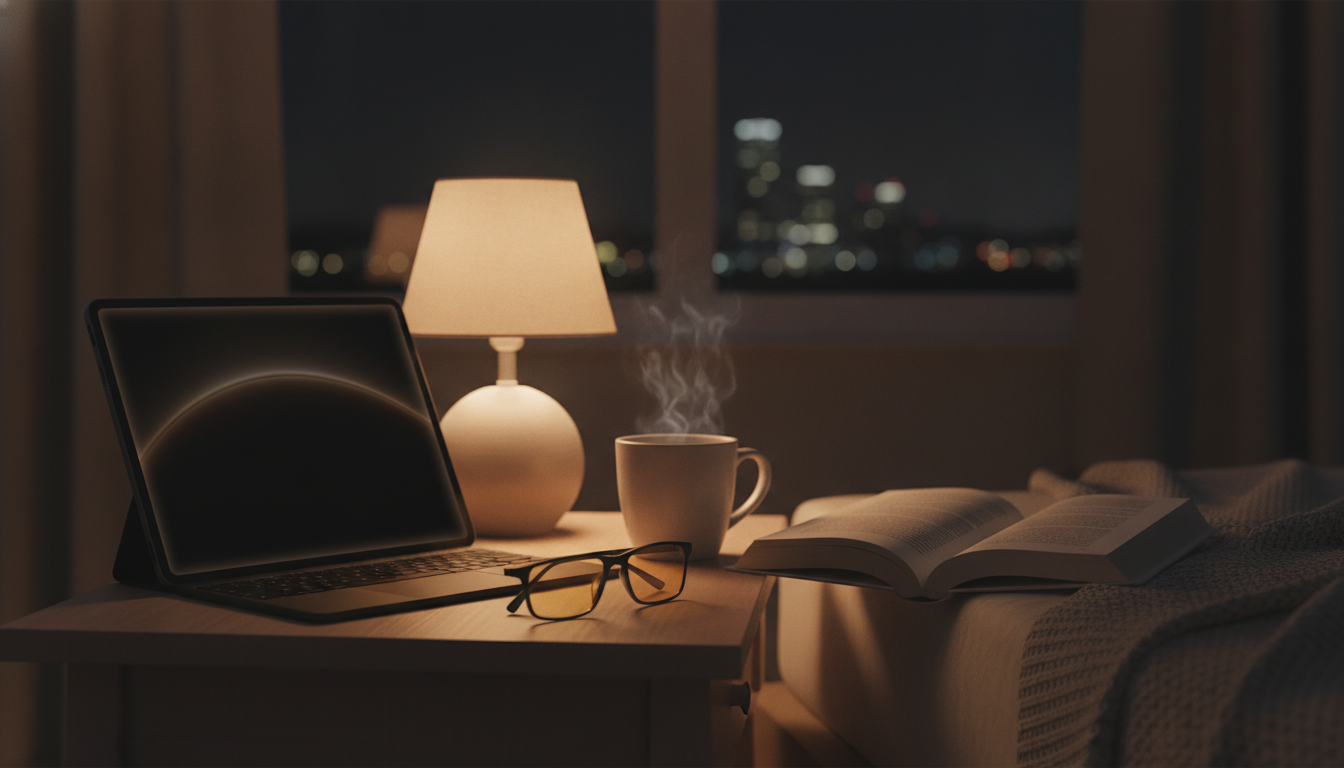
When the Screen Won’t Let Your Brain Sleep: How Phone Brightness Disrupts Rest
Bright phone screens at night can keep the brain in “daytime mode,” delaying drowsiness and making sleep feel lighter. The tricky part is that it’s not just about “blue light” in the abstract—screen brightness, how close you hold the phone, what you’re doing on it, and how dark the room is all stack together. Below is a practical breakdown of what’s happening biologically, why it hits some people harder than others, and how to reduce the impact without giving up evening phone time entirely.
Why bright screens feel “alerting” at night
Light entering your eyes is one of the strongest signals your brain uses to decide whether it’s day or night. When you look at a bright screen late in the evening, your brain can interpret that as “still daytime,” which delays the body’s natural wind-down and pushes sleepiness later.
Short-wavelength (blue-leaning) light gets most of the attention because it’s especially effective at suppressing melatonin and shifting circadian timing. That said, overall brightness and viewing distance matter a lot too: a very bright screen in a dark room can be disruptive even if you’ve enabled warmer tones.
There’s also a second layer beyond light itself: cognitive stimulation. Notifications, novelty, and fast-moving content can keep attention systems “on,” making it harder to transition into sleep. For some people, even brief exposure close to bedtime is enough to move sleep onset later—especially when the content is engaging or emotionally charged.
Common screen habits and their likely sleep effects
| Habit | Why it disrupts sleep | Lower-impact alternative |
|---|---|---|
| High brightness in a dark room | Strong light contrast increases retinal stimulation and signals daytime | Lower brightness, use warm tone/night mode, add a dim lamp in the room |
| Phone held close to face | Higher light intensity at the eye due to distance | Increase viewing distance or use larger text to avoid holding it close |
| Fast-scrolling social feeds | High novelty and emotional arousal delay relaxation | Switch to calmer content (notes, gentle reading) and set a time limit |
| Notifications and badges | Intermittent alerts trigger attention and stress response | Enable Do Not Disturb or a sleep focus mode |
| Using phone in bed | Brain associates bed with wakefulness and stimulation | Keep the phone off the bed; use an alarm clock if needed |
What’s happening in the body: melatonin, circadian rhythm, and arousal
Melatonin is often called the “sleep hormone,” but it’s more accurate to think of it as a darkness-linked signal that helps the body recognize biological night. In the evening, melatonin typically rises as light drops. Bright light exposure—especially close to bedtime—can delay melatonin release and reduce the strength of its rise.
Your circadian rhythm is the internal clock that coordinates sleep timing, temperature, alertness patterns, and hormone cycles. Evening light tends to shift the clock later, which can make it feel normal to fall asleep later and wake up later. This is one reason a late-night screen habit can become self-reinforcing over time.
Brightness and spectrum both play roles. A very bright warm screen can still keep you alert because intensity alone can be a strong signal. On the other hand, a dim cool screen may still affect sensitive users because short-wavelength light has an outsized biological impact. For a deeper overview of how blue light interacts with sleep biology, see NIH News in Health (Blue Light Has a Dark Side) and Harvard Health Publishing (Blue light has a dark side).
Finally, there’s arousal: stress, excitement, and “one more scroll” can raise mental activation and sometimes heart rate, making it harder to feel sleepy even if the room is dark. Sleep quality can suffer even if time in bed stays the same—more awakenings, lighter sleep, and reduced next-day alertness.
Why some people are more affected than others
Age: Children and teens can be more sensitive to evening light, while adults may notice sleep fragmentation and next-day fatigue. Parents looking for kid-specific context can review the Sleep Foundation’s overview (How Blue Light Affects Sleep).
Simple changes that protect sleep without going “phone-free”
Use a dim, warm lamp: A softly lit room reduces contrast, which often makes a low phone brightness actually usable. If you want a structured approach to building a cozy, sleep-friendly lighting setup, see Turning Your House into a Glowing Retreat: Cozy Home Lighting Tips & Guides.
Troubleshooting: if sleep still feels light or unrefreshing
What the eBook guide includes and who it’s for
If you want a step-by-step plan—rather than piecing together settings and habits from memory—When the Screen Won’t Let Your Brain Sleep: Understanding Why Phone Brightness Hurts Sleep Quality | eBook Guide lays out clear explanations of how evening brightness influences sleep timing and sleep depth, plus practical setup steps for common phone settings.
FAQ
Does night mode or a blue light filter fully solve the problem?
No. Filters can reduce short-wavelength light and perceived glare, but overall brightness, viewing distance, and mental stimulation still matter. For best results, combine warm mode with lower brightness and a calmer pre-bed routine.
How bright is too bright for a phone at night?
A practical rule is “dim enough that it doesn’t illuminate the room” or create strong reflections off nearby surfaces. Sensitivity varies, so lowering contrast with a dim warm lamp and using dark mode often helps you keep brightness lower comfortably.
Why do some nights feel fine and others feel wired after using the phone?
Stress levels, content type, timing, caffeine, and even a darker-than-usual bedroom can change how alerting the same screen exposure feels. Consistency helps—identify personal triggers (like certain apps or late timing) and adjust those first.












Leave a comment