-
Shop
- Advanced Technologies
- AI Career Advantage Collection
- AI Skills
- AI Skills for Creators & Freelancers
- AI Client Management
- AI Ethics
- AI Mindset
- AI Tools & Prompts
- AI Writing & Content Creation
- Audio, Voice & Music
- Design & Visual Creation
- Email, Messaging & Communication
- Freelancing & Business
- Marketing, Ads & Conversion
- Productivity, Workflow & Automation
- SEO & Search Optimization
- Social Media Content & Growth
- Strategy, Planning & Analytics
- Video Creation & Editing
- AI Skills Mastery 2026 Collection
- Car Accessories
- Confidence
- Dating & Social Skills
- Digital Resources
- AI & Technology
- Beauty
- Budgeting & Saving
- Car Buying & Ownership
- Cozy Feast Collection
- Electronics & Technology
- Entrepreneurship & Business Growth
- Financial Education
- Financial Independence
- Financial Mindset & Psychology
- Goal Setting
- Home Styling & Organization
- Kitchen & Recipes
- Leadership
- Mindfulness
- Mindset
- Online Business
- Parenting & Child Development
- Personal Style & Fashion
- Pet Lifestyle & Wellness
- Positive Thinking
- Sleep Improvement
- Smart Life with AI
- Stress Management & Relaxation
- Travel Planning
- Wellness
- Yoga & Fitness
- Yoga & Mind-Body Practices
- Education & Learning
- Family & Parenting
- Fashion
- Accessories
- Alexander McQueen
- Bags
- Bags & Wallets
- Belts
- Blazers
- Bottega Veneta
- Bottoms
- Brunello Cucinelli
- Chloé
- Clothing
- Dolce & Gabbana
- Dresses
- Etro
- Hats & Hair Accessories
- Hoodies & Sweatshirts
- Jacquemus
- Jil Sander
- Kiton
- Luggage
- Miu Miu
- Off-White
- Outerwear
- Rick Owens
- Scarves
- Socks & Tights
- Sweaters & Cardigans
- The Row
- Tom Ford
- Tops & Shirts
- Valentino Garavani
- Vivienne Westwood
- Watches
- Fashion Accessories
- Furniture
- Gadgets
- Health & Beauty
- Health & Wellness
- Home & Garden
- Home Supplies
- Jewelry
- Kids & Babies
- Kitchen
- Kitchen Best-Sellers
- Lighting
- Luxury Brands Collection
- Online Business for Beginners
- Patio, Lawn & Garden
- Personal Growth
- Pet Care
- Pet Supplies
- Pets
- Shoes
- Smart Amazon Shopping
- Smart Home Living Guides
- Sport & Outdoors
- Super Deals
- TikTok Growth & Monetization Mastery
- Travel
- Travel & Adventure
- Wealth
- Popular
- Best deals
Rat Feeding Schedule & Balanced Diet: Pellets, Veg & Treats
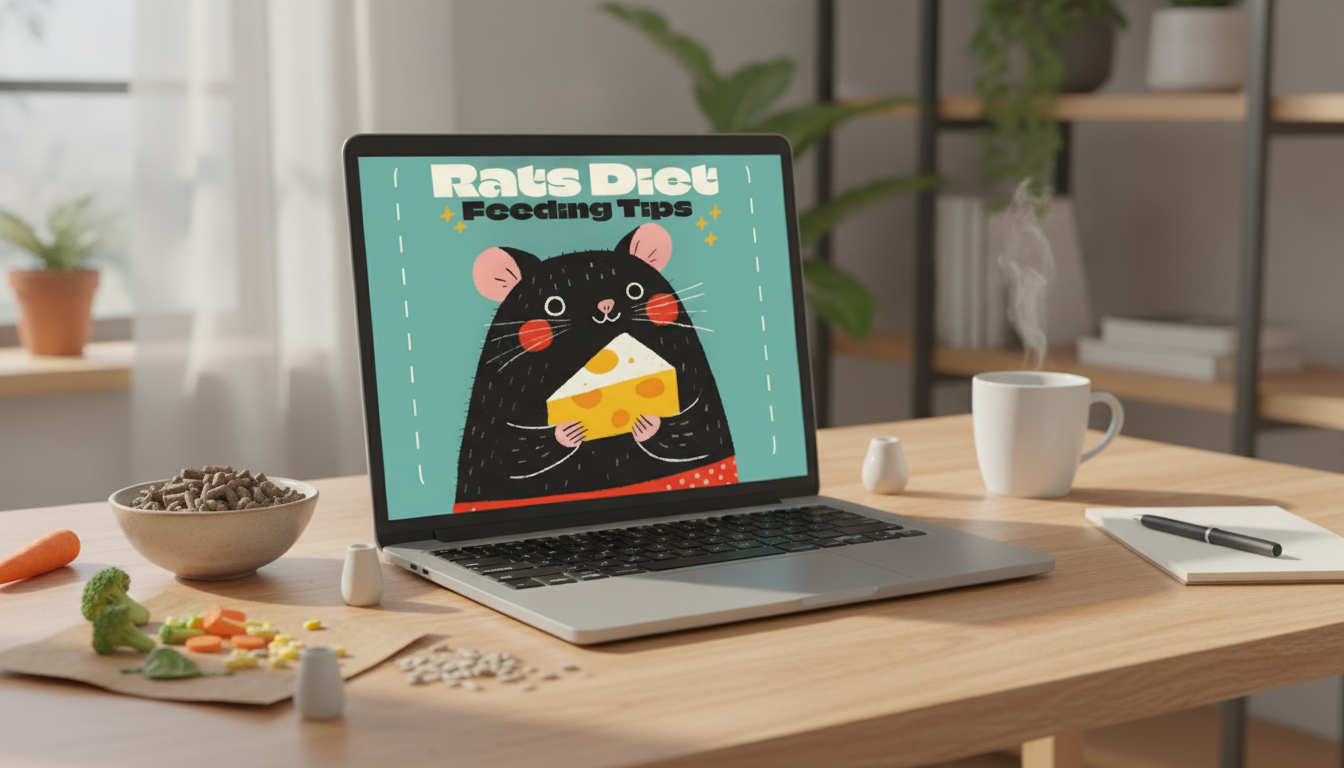
Essential Rat Nutrition: Daily Feeding Routines, Balanced Meals, and Safe Treat Ideas
A consistent feeding routine and the right balance of staples, fresh foods, and occasional treats can support healthy weight, bright coats, and steady energy in pet rats. The simplest approach is to anchor daily nutrition with a high-quality rat block or pellet, then layer in small, rotating portions of fresh foods for variety and enrichment. Along the way, paying attention to portion sizes, food safety, and life-stage needs helps prevent gradual weight gain and common diet mistakes. For more guidance, see [PDF] Rat Diet.
What a Healthy Rat Diet Looks Like
A strong daily diet is built for balance first, then variety. Most pet rats do best when their “main food” stays consistent, while fresh add-ons rotate gradually. For further reading, see [PDF] Feeding Your Pet Rat.
- Base diet: Use a quality lab block or pellet formulated for rats as the primary daily food to reduce selective eating and nutrient gaps.
- Fresh add-ons: Offer small portions of vegetables most days, with fruit and protein extras kept limited so the overall diet stays balanced.
- Water: Provide fresh water at all times; check bottles daily and clean routinely to prevent slime/biofilm buildup.
- Consistency: Keep the staple steady and introduce new fresh foods slowly to reduce digestive upset.
For additional husbandry details, reputable references include the Merck Veterinary Manual (rats care and management) and the RSPCA rat care advice.
Staples vs. Mixes: Choosing the Main Daily Food
Many owners start with a seed or “muesli” mix because it looks varied. The downside is that rats often pick out the tastiest, fattiest pieces and leave behind the fortified bits—creating hidden imbalances over time. Blocks/pellets help because each bite is similar, so nutrition stays more even.
- Why blocks/pellets often work best: Less picky selection, more predictable nutrition.
- When mixes cause problems: Higher-fat items may be eaten first; vitamins/minerals can be left behind.
- Transitioning foods: Switch over 7–10 days by gradually increasing the new staple mixed into the old.
- Portion basics: Measure daily portions and watch body condition instead of keeping the bowl constantly overflowing.
| Diet component | Role | How often | Examples |
|---|---|---|---|
| Rat blocks/pellets | Primary balanced nutrition | Daily | Commercial rat lab blocks/pellets |
| Vegetables | Fiber, enrichment, micronutrients | Most days | Leafy greens, bell pepper, zucchini, cucumber |
| Fruit | Treat-level sugar | 1–3x/week (small) | Berries, apple (no seeds), melon |
| Protein extras | Support growth/needs in small amounts | Occasional | Egg (cooked), plain chicken, tofu |
| Treats | Training/bonding only | Small, limited | Plain oats, tiny piece of banana, unsweetened cereal |
Feeding Schedules That Fit Real Life
Rats tend to be most active around dusk and dawn, so many households find it easiest to offer the larger portion in the evening. Two reliable routines work well:
- Once-daily measured feeding: Give the day’s portion in the evening, then use scatter feeding or simple foraging setups to make it last longer.
- Split feeding (morning/evening): Helpful in multi-rat groups where faster eaters may crowd the bowl; splitting can reduce competition and keep energy steadier.
For enrichment, tuck a small handful of pellets into paper tubes, crumpled paper, or bedding-safe corners to slow eating and reduce boredom. When adjusting portions—especially with newly adopted rats—measure what’s offered and what’s left for a few days so changes are based on real intake rather than guesswork.
If you want a ready-to-use structure, the Essential Rats Diet and Feeding Tips eBook includes organized schedules, rotation ideas, and treat planning that’s easy to follow week to week.
Healthy Meal Plan Building Blocks (With Easy Rotation)
Building a simple meal plan can stay “plug-and-play” once you pick a staple and a small list of produce you rotate through.
Life Stage and Special Needs Adjustments
General feeding guidance from established small-pet nutrition brands can also be useful for basics like steady access to clean water and consistent staples; see Oxbow Animal Health for general recommendations and education.
Treat Ideas That Support Training Without Throwing Off Balance
Foods to Avoid and Common Safety Pitfalls
Keeping Weight and Health on Track
For out-of-cage activity, creating a supervised “obstacle path” can encourage movement and confidence. Some keepers repurpose stable stepping platforms to vary surfaces and add gentle climbing in a playpen; the 6PCS Children’s Balance Stepping Stones can be used this way with close supervision, careful cleaning, and safe access ramps (never leave rats unattended on elevated items).
Printable Plans and Done-for-You Schedules
The Essential Rats Diet and Feeding Tips eBook is designed for quick reference with structured routines, shopping-friendly rotation ideas, and clear do/don’t lists.
FAQ
How often should pet rats be fed?
Most pet rats do well with either once-daily measured feeding (often in the evening) or split feeding morning and evening, especially in groups. Whichever routine you choose, keep fresh water available at all times and monitor leftovers to fine-tune portions.
Are pellets better than seed mixes for rats?
Pellets/blocks are often more reliable because they reduce selective eating, helping rats get consistent nutrients with every bite. If switching from a mix, transition gradually over about 7–10 days to minimize digestive upset.
What are safe treat ideas for rats?
Good options include plain oats, a few peas, tiny pieces of cooked pasta, or small portions of fruit a couple times per week. Keep treats very small, avoid sticky globs (like thick nut butter) due to choking risk, and use treats mainly for training and bonding.
Recommended for you



Modern Cat Tree: Condos, Hammocks & Scratch Posts
Jun 24, 2026













Leave a comment