-
Shop
- Advanced Technologies
- AI Career Advantage Collection
- AI Skills
- AI Skills for Creators & Freelancers
- AI Client Management
- AI Ethics
- AI Mindset
- AI Tools & Prompts
- AI Writing & Content Creation
- Audio, Voice & Music
- Design & Visual Creation
- Email, Messaging & Communication
- Freelancing & Business
- Marketing, Ads & Conversion
- Productivity, Workflow & Automation
- SEO & Search Optimization
- Social Media Content & Growth
- Strategy, Planning & Analytics
- Video Creation & Editing
- AI Skills Mastery 2026 Collection
- Car Accessories
- Confidence
- Dating & Social Skills
- Digital Resources
- AI & Technology
- Beauty
- Budgeting & Saving
- Car Buying & Ownership
- Cozy Feast Collection
- Electronics & Technology
- Entrepreneurship & Business Growth
- Financial Education
- Financial Independence
- Financial Mindset & Psychology
- Goal Setting
- Home Styling & Organization
- Kitchen & Recipes
- Leadership
- Mindfulness
- Mindset
- Online Business
- Parenting & Child Development
- Personal Style & Fashion
- Pet Lifestyle & Wellness
- Positive Thinking
- Sleep Improvement
- Smart Life with AI
- Stress Management & Relaxation
- Travel Planning
- Wellness
- Yoga & Fitness
- Yoga & Mind-Body Practices
- Education & Learning
- Family & Parenting
- Fashion
- Accessories
- Alexander McQueen
- Bags
- Bags & Wallets
- Belts
- Blazers
- Bottega Veneta
- Bottoms
- Brunello Cucinelli
- Chloé
- Clothing
- Dolce & Gabbana
- Dresses
- Etro
- Hats & Hair Accessories
- Hoodies & Sweatshirts
- Jacquemus
- Jil Sander
- Kiton
- Luggage
- Miu Miu
- Off-White
- Outerwear
- Rick Owens
- Scarves
- Socks & Tights
- Sweaters & Cardigans
- The Row
- Tom Ford
- Tops & Shirts
- Valentino Garavani
- Vivienne Westwood
- Watches
- Fashion Accessories
- Furniture
- Gadgets
- Health & Beauty
- Health & Wellness
- Home & Garden
- Home Supplies
- Jewelry
- Kids & Babies
- Kitchen
- Kitchen Best-Sellers
- Lighting
- Luxury Brands Collection
- Online Business for Beginners
- Patio, Lawn & Garden
- Personal Growth
- Pet Care
- Pet Supplies
- Pets
- Shoes
- Smart Amazon Shopping
- Smart Home Living Guides
- Sport & Outdoors
- Super Deals
- TikTok Growth & Monetization Mastery
- Travel
- Travel & Adventure
- Wealth
- Popular
- Best deals
Reading Nook Kids Bookshelf with Cubbies & Drawers
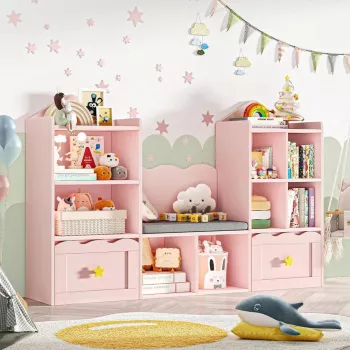
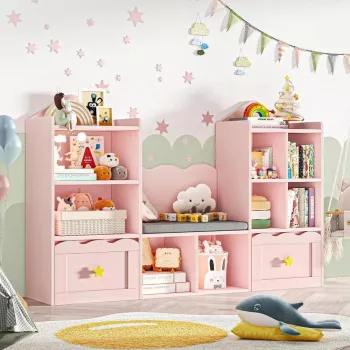
Kids Bookshelf with Reading Nook and Toy Storage: A Cozy Corner That Keeps the Room Tidy
A combined bookshelf, reading nook, and toy organizer helps turn everyday cleanup and storytime into simple routines. With front-facing book display, cubbies for quick drop-in storage, and drawers for smaller pieces, this style of bookcase creates a dedicated “read and reset” zone that fits naturally into a bedroom or playroom.
What This Bookshelf Setup Adds to a Kids’ Room
- A built-in spot to sit and read that makes books feel like an activity, not just an item on a shelf
- Multiple storage styles in one unit: open cubbies for fast access and drawers for hidden clutter
- A defined home for books and toys, which supports more consistent cleanup habits
- A space-saving alternative to separate book racks, toy bins, and a reading chair
When a room has one clear “landing zone” for books and playthings, kids don’t need to decide where everything goes—there’s already a place for it. That reduces end-of-day mess and makes it easier to keep favorite stories within reach.
Storage Zones Explained: Books, Toys, and Everything In Between
- Front-facing shelves encourage independent book choosing, especially for picture books
- Open cubbies work well for daily-use toys, stuffed animals, puzzles, and building sets
- Drawers are ideal for small parts (cards, mini figures, art supplies) that tend to scatter
- A reading nook area can double as a calm-down corner with a pillow and a few favorite books
Where to Store Common Kids’ Items
| Storage area | Best for | Examples to store | Simple organizing tip |
|---|---|---|---|
| Front-facing book shelves | Daily reading rotation | Picture books, early readers, bedtime favorites | Keep 10–20 books out and swap weekly to reduce clutter |
| Open cubbies | Grab-and-go play | Blocks, dolls, trucks, plush toys, board games | Use one bin per cubby for quick sorting by category |
| Drawers | Small pieces and supplies | Crayons, markers, flash cards, mini figures, accessories | Label drawers with words or icons for independent cleanup |
| Reading nook | Quiet time and comfort | Pillow, throw blanket, “favorite 5” books | Add a small basket for library books that need to go back |
Front-facing book storage is especially helpful for younger kids because they recognize covers faster than spines. If the goal is more independent reading time, a cover-out display lowers the “effort barrier” and makes it easier to build the habit of picking a book on their own. Pediatric guidance also emphasizes early reading routines as part of healthy language development (see the American Academy of Pediatrics’ literacy promotion information).
Choosing the Right Spot and Layout
- Place it where kids naturally pause: near the bed for bedtime reading or near the play area for quick book breaks
- Leave enough clearance for drawers to open fully without bumping beds, desks, or rugs
- Keep the most-used books at kid height and place less-used items higher up
- Use a small rug or floor cushion in the nook to make the space inviting and defined
A simple layout trick: put the “daily rotation” books and the most-used toy category closest to the reading nook. That way, the unit supports a smooth loop—pick a book, sit, read, then drop everything back into the closest zone when you’re done.
Safety and Stability for Everyday Use
- Anchor storage furniture to the wall when possible to reduce tip-over risk, especially in active play spaces
- Avoid placing heavy items on upper shelves; keep weight lower for better stability
- Choose soft-close or easy-pull drawers if available, and teach kids to open one drawer at a time
- Check regularly that hardware stays snug and that drawers glide smoothly
In kids’ rooms, safety isn’t a “nice to have”—it’s part of everyday function. The U.S. Consumer Product Safety Commission provides practical tip-over prevention guidance, including anchoring recommendations (see CPSC Furniture Tip-Over Information).
Making It Easy for Kids to Keep Organized
Product Pick: Bookshelf with Reading Nook, Drawers, and Cubbies
If you want one piece that ties together reading time and cleanup time, consider the Kids Bookshelf with Reading Nook and Toy Storage, Bookcase with Drawers & Cubbies. It’s designed to create a cozy seat while also giving you multiple storage “speeds”: open cubbies for fast drop-in sorting and drawers for the small stuff that creates visual clutter.
Room Pairing Idea: Completing the Reading Corner
For a coordinated bedroom look, pair the storage-and-nook setup with a standout sleep space like the Pink Floating Platform Bed with LED Lights and Diamond Tufted Headboard. Keeping the room’s “big pieces” intentional helps the smaller items (books, toys, blankets) feel less chaotic—because they already have a designed home.
FAQ
What should go in drawers vs. cubbies in a kids storage bookcase?
Use cubbies for larger, frequently used items like blocks, plush toys, and puzzles, and use drawers for small parts and supplies such as art tools, mini figures, and cards. The best setup is the one your child can put back in just a few minutes.
Is a reading nook in a bookcase actually useful for daily routines?
Yes—having a built-in seat makes it easier for kids to settle into reading and creates a natural “quiet zone.” Keep a small rotating set of favorites within reach so the nook stays inviting without getting overcrowded.
Do kids bookshelves need to be anchored to the wall?
Anchoring is strongly recommended for most storage furniture to reduce tip-over risk, especially in rooms where kids climb or pull on drawers. Follow the included instructions and use the right hardware for your wall type.











Leave a comment