-
Shop
- Advanced Technologies
- AI Career Advantage Collection
- AI Skills
- AI Skills for Creators & Freelancers
- AI Client Management
- AI Ethics
- AI Mindset
- AI Tools & Prompts
- AI Writing & Content Creation
- Audio, Voice & Music
- Design & Visual Creation
- Email, Messaging & Communication
- Freelancing & Business
- Marketing, Ads & Conversion
- Productivity, Workflow & Automation
- SEO & Search Optimization
- Social Media Content & Growth
- Strategy, Planning & Analytics
- Video Creation & Editing
- AI Skills Mastery 2026 Collection
- Car Accessories
- Confidence
- Dating & Social Skills
- Digital Resources
- AI & Technology
- Beauty
- Budgeting & Saving
- Car Buying & Ownership
- Cozy Feast Collection
- Electronics & Technology
- Entrepreneurship & Business Growth
- Financial Education
- Financial Independence
- Financial Mindset & Psychology
- Goal Setting
- Home Styling & Organization
- Kitchen & Recipes
- Leadership
- Mindfulness
- Mindset
- Online Business
- Parenting & Child Development
- Personal Style & Fashion
- Pet Lifestyle & Wellness
- Positive Thinking
- Sleep Improvement
- Smart Life with AI
- Stress Management & Relaxation
- Travel Planning
- Wellness
- Yoga & Fitness
- Yoga & Mind-Body Practices
- Education & Learning
- Family & Parenting
- Fashion
- Accessories
- Alexander McQueen
- Bags
- Bags & Wallets
- Belts
- Blazers
- Bottega Veneta
- Bottoms
- Brunello Cucinelli
- Chloé
- Clothing
- Dolce & Gabbana
- Dresses
- Etro
- Hats & Hair Accessories
- Hoodies & Sweatshirts
- Jacquemus
- Jil Sander
- Kiton
- Luggage
- Miu Miu
- Off-White
- Outerwear
- Rick Owens
- Scarves
- Socks & Tights
- Sweaters & Cardigans
- The Row
- Tom Ford
- Tops & Shirts
- Valentino Garavani
- Vivienne Westwood
- Watches
- Fashion Accessories
- Furniture
- Gadgets
- Health & Beauty
- Health & Wellness
- Home & Garden
- Home Supplies
- Jewelry
- Kids & Babies
- Kitchen
- Kitchen Best-Sellers
- Lighting
- Luxury Brands Collection
- Online Business for Beginners
- Patio, Lawn & Garden
- Personal Growth
- Pet Care
- Pet Supplies
- Pets
- Shoes
- Smart Amazon Shopping
- Smart Home Living Guides
- Sport & Outdoors
- Super Deals
- TikTok Growth & Monetization Mastery
- Travel
- Travel & Adventure
- Wealth
- Popular
- Best deals
Stop Leash Pulling: Reward-Based Training for Calm Walks
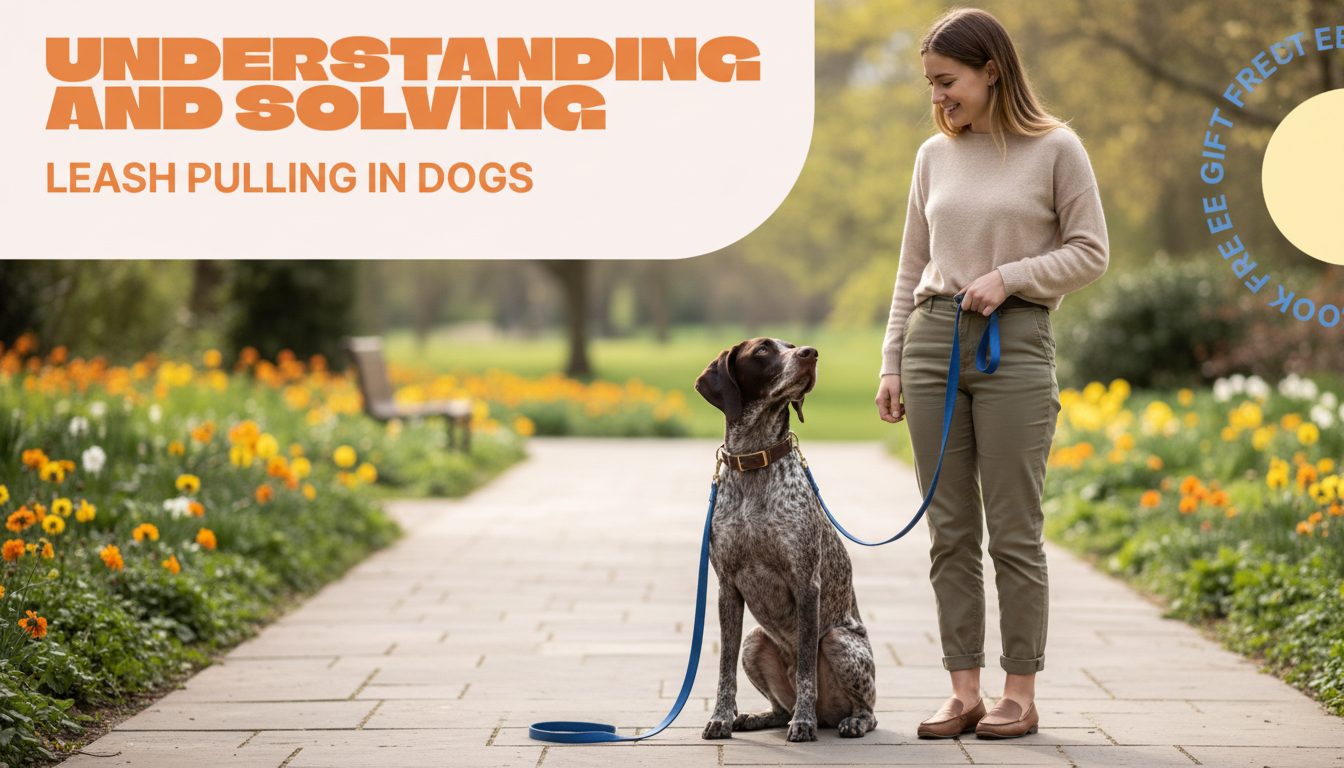
Understanding and Solving Leash Pulling in Dogs: Calm Walks Built on Clear Training
Leash pulling is rarely “stubbornness.” It’s usually a mix of excitement, habit, reinforcement, and unmet needs that show up the moment the leash clips on. Calm walking comes from changing the pattern: setting up the environment, rewarding the right choices, and teaching skills that compete with lunging and forging ahead—without relying on force or constant corrections.
Why dogs pull on leash
Pulling is often self-rewarding. The more a dog practices it, the more automatic it becomes—especially if pulling is what makes the walk “work” (sniffs, greetings, movement).
- Faster is rewarding: the dog reaches smells, people, dogs, and movement sooner, so pulling gets reinforced.
- Opposition reflex: many dogs naturally push against pressure, which can make tension create more tension.
- Arousal and excitement: leaving the house, seeing triggers, or anticipating play spikes energy and reduces impulse control.
- Lack of clarity: the dog has never been taught what “walk nicely” means or what earns progress.
- Equipment mismatch: flat collars, retractable leashes, or poorly fitted gear can increase discomfort or unpredictability, worsening pulling.
Common leash-pulling patterns and what to train first
| Pattern on walks | Likely cause | First training focus | Quick setup change |
|---|---|---|---|
| Starts pulling the moment the door opens | Anticipation and routine cues | Doorway pauses + permission to move | Clip leash, wait for slack before stepping out |
| Pulls toward dogs/people | Social excitement or reactivity | Engage-disengage + distance management | Cross the street early; reward check-ins |
| Zigzags to sniff constantly | High scent motivation, low structure | ‘Let’s go’ + sniff breaks on cue | Use short structured blocks, then planned sniff time |
| Forges ahead steadily | Habit reinforced by forward motion | Loose-leash reinforcement + stop/turn pattern | Choose low-distraction routes at first |
| Sudden lunges at moving things | Predatory chase/arousal | Pattern games + emergency U-turn | Increase distance; avoid tight corners |
Before training: set the walk up for success
Skill-building goes faster when the dog can actually stay under threshold. A few small setup changes can reduce pulling dramatically before formal training even begins.
- Check health and comfort: pain, nail length, or poorly fitted harness/collar can make leash behavior worse.
- Choose a calm starting zone: begin sessions in a driveway, hallway, or quiet street before busy areas.
- Use the right leash length: a standard 6-foot leash supports training; avoid retractables during skill-building.
- Plan reinforcement: bring small, high-value treats; reward frequently while the habit is changing.
- Reduce pressure spikes: avoid tight leash angles around obstacles; keep the leash as a soft “J” when possible.
If you’re unsure whether a method is truly humane and effective, resources like the American Veterinary Society of Animal Behavior (AVSAB) position statements and the American Kennel Club’s loose leash walking guide align well with reward-based, skill-first training.
Core skills that create a loose leash
Loose-leash walking isn’t one behavior—it’s a bundle of small, teachable skills. The goal is to make staying connected more rewarding than towing you to the next thing.
- Attention cue: teach the dog to orient to the handler’s voice/marker and return for a reward.
- Reinforced position: reward the dog for being near the chosen side or within a “bubble” zone.
- Slack equals progress: forward motion becomes a reward only when the leash is loose; tension pauses movement.
- Turn-and-follow: condition an easy 180° turn so the dog learns to track movement without conflict.
- Release to sniff: use a clear cue (e.g., “go sniff”) so the dog gets what it wants without pulling to get it.
A helpful mindset shift: “The leash is information, not steering.” The dog learns that slack predicts access—to movement, sniffing, and real-life rewards—while tension simply means “we’re not ready to go that way yet.”
A practical training plan (10–15 minutes, 4–5 days/week)
Short sessions beat long, frustrating walks. Think of early training as practice, not mileage.
- Days 1–3: indoor leash practice—mark and reward slack, add short steps, and reinforce check-ins.
- Days 4–7: low-distraction outdoor sessions—walk in short loops; reward every few steps; turn away before the leash tightens.
- Week 2: add controlled distractions—practice near (not inside) busier areas; increase distance from triggers and reward calm observation.
- Week 3: generalize—train in new locations, different times of day, and with varied stimuli; reduce treat frequency gradually.
- Track progress: count “tight leash moments” per block; aim for fewer tight moments and faster recovery, not perfection.
Handling real-life moments: when pulling happens anyway
When to get extra help
A guided resource for step-by-step calm walks
Recommended resources (in stock)
- Understanding and Solving Leash Pulling in Dogs – Practical Training eBook for Calm Walks | Learn why dogs pull on leash
- Turning Your House into a Glowing Retreat: Cozy Home Lighting Tips & Guides (useful for creating a calmer decompression space after training walks, especially for easily overstimulated dogs)
FAQ
How long does it take to stop leash pulling?
Most dogs improve within 2–4 weeks with consistent practice, but timing depends on how long pulling has been reinforced, the distraction level, and handler consistency. Look for fewer tight-leash moments and faster recovery rather than instant perfection.
Should the walk stop every time the leash gets tight?
Pausing can work when it’s paired with rewarding slack and managing distractions, but repeated stops can frustrate some dogs. If stopping escalates arousal, use gentle turns, add distance, and schedule sniff breaks so the dog can succeed without constant tension.
Is a harness or collar better for a dog that pulls?
A well-fitted harness often reduces neck strain and makes training safer, especially for strong pullers. The key is pairing any equipment with reinforcement and teaching slack-leash skills rather than expecting gear alone to fix pulling.















Leave a comment