-
Shop
- Advanced Technologies
- AI Career Advantage Collection
- AI Skills
- AI Skills for Creators & Freelancers
- AI Client Management
- AI Ethics
- AI Mindset
- AI Tools & Prompts
- AI Writing & Content Creation
- Audio, Voice & Music
- Design & Visual Creation
- Email, Messaging & Communication
- Freelancing & Business
- Marketing, Ads & Conversion
- Productivity, Workflow & Automation
- SEO & Search Optimization
- Social Media Content & Growth
- Strategy, Planning & Analytics
- Video Creation & Editing
- AI Skills Mastery 2026 Collection
- Car Accessories
- Confidence
- Dating & Social Skills
- Digital Resources
- AI & Technology
- Beauty
- Budgeting & Saving
- Car Buying & Ownership
- Cozy Feast Collection
- Electronics & Technology
- Entrepreneurship & Business Growth
- Financial Education
- Financial Independence
- Financial Mindset & Psychology
- Goal Setting
- Home Styling & Organization
- Kitchen & Recipes
- Leadership
- Mindfulness
- Mindset
- Online Business
- Parenting & Child Development
- Personal Style & Fashion
- Pet Lifestyle & Wellness
- Positive Thinking
- Sleep Improvement
- Smart Life with AI
- Stress Management & Relaxation
- Travel Planning
- Wellness
- Yoga & Fitness
- Yoga & Mind-Body Practices
- Education & Learning
- Family & Parenting
- Fashion
- Fashion Accessories
- Furniture
- Gadgets
- Health & Beauty
- Health & Wellness
- Home & Garden
- Home Supplies
- Jewelry
- Kids & Babies
- Kitchen
- Kitchen Best-Sellers
- Lighting
- Online Business for Beginners
- Patio, Lawn & Garden
- Personal Growth
- Pet Care
- Pet Supplies
- Pets
- Shoes
- Smart Amazon Shopping
- Smart Home Living Guides
- Sport & Outdoors
- Super Deals
- TikTok Growth & Monetization Mastery
- Travel
- Travel & Adventure
- Wealth
- Popular
- Best deals
Stress-Reducing Activities: Daily Micro-Resets for Calm

A Daily Toolkit of Stress-Reducing Activities for Calm and Balance
Stress relief tends to work best when it is simple, repeatable, and matched to the moment. The goal isn’t to “fix everything” in one sitting—it’s to lower the intensity enough to think clearly, make the next good choice, and keep your day moving without carrying tension from hour to hour. Below is a practical menu of quick micro-resets, longer calming routines, and small habits that support steadier energy and a more balanced nervous system.
For a helpful overview of how stress affects mind and body, see the American Psychological Association’s stress resources and the CDC’s guide to coping with stress.
Start with a two-minute reset
When stress spikes, speed matters. A short reset can interrupt spiraling thoughts and soften the physical “brace” that shows up in your jaw, shoulders, chest, and hands.
1) Do a fast body check-in
Notice where you’re holding tension (jaw, shoulders, hands, belly). Then soften on purpose: unclench your teeth, drop your shoulders, open your hands, and let your tongue rest on the roof of your mouth.
2) Use breathing to downshift
Try 4–6 cycles of slow breathing with extra attention on the exhale (for example, inhale 4 seconds, exhale 6–8 seconds). Longer exhales help nudge the body toward a calmer state.
3) Add a grounding cue
Use “5-4-3-2-1”: name 5 things you see, 4 you feel, 3 you hear, 2 you smell, and 1 you taste. This pulls attention away from worry loops and back into the present moment.
4) Pair one small movement with breath
Try neck rolls, shoulder circles, or a gentle forward fold while breathing slowly. Even 30–60 seconds of movement can discharge physical stress and make the next step feel doable.
Choose the right activity for the kind of stress
Not all stress feels the same. A good “activity menu” makes it easier to choose what fits your state—especially when you don’t have the bandwidth to think.
| How it feels | What to try (2–10 minutes) | Why it helps |
|---|---|---|
| Racing mind | Slow exhale breathing + 5-4-3-2-1 grounding | Signals safety and shifts attention to the present |
| Overstimulated | Quiet room + gentle stretching + water | Reduces sensory load and releases physical tension |
| Tight shoulders/jaw | Progressive muscle relaxation (upper body) | Interrupts the tension cycle and eases pain |
| Drained and unfocused | 10-minute walk outside | Boosts alertness and resets attention |
| Stuck in rumination | 1-page brain dump + one next step | Externalizes thoughts and restores control |
If your stress shows up as anxious thoughts, lean into slow breathing, grounding, journaling prompts, or a brief guided meditation. If it’s irritability and overstimulation, reduce inputs first (dim lights, silence notifications), then move gently. For mental fatigue, choose a “gentle focus” task—tidy one small area, color, do a simple craft, or work a quick puzzle for 10 minutes.
Build a calm routine that fits real schedules
Calm is easier to maintain when it’s attached to something you already do. Instead of waiting for a perfect hour, use anchors and stackable mini-routines.
- Anchor calm to existing habits: after coffee, before lunch, after commuting, or before bed.
- Try “stackable” routines: 2 minutes breathing + 3 minutes stretching + 5 minutes tidy/plan.
- Create a calm corner: a chair, a blanket, low light, and one cue (timer, music, or scent) to reduce friction.
- Plan for high-stress windows: a mid-afternoon reminder can prevent stress buildup before it turns into evening exhaustion.
Simple activities that calm the nervous system
These are reliable options to rotate through, depending on time and energy.
Breathing tools
Use paced breathing with a timer, box breathing (inhale-hold-exhale-hold for equal counts), or longer-exhale breathing. If you’re already keyed up, prioritize gentle patterns over aggressive breathwork.
Body-based calm
Mind reset
Sensory comfort
Connection and co-regulation
Mental relief: reduce overwhelm and decision fatigue
- Use a one-list capture: write everything down in one place, then circle only the next 1–3 actions.
- Try a 10-minute boundary: set a timer and complete one small task start-to-finish (reply to one email, clear one surface).
- Reframe quickly: swap “everything is urgent” with “what matters most in the next hour.”
- If sleep is affected: use a short wind-down routine—screens off, dim lights, light stretching, and a calm playlist. (The National Institute of Mental Health has additional stress basics that can help you spot patterns.)
A practical workbook-style plan for daily relief
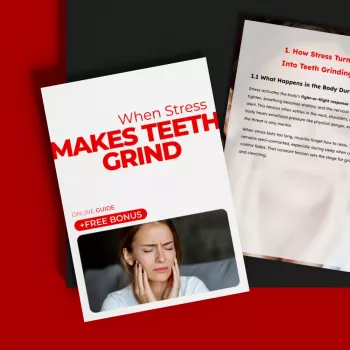
If you want an organized set of prompts and simple techniques you can reuse daily, consider Stress-Reducing Activities Ebook for Calm, Balance, and Daily Relief. For evening wind-down support, a comfortable sleep environment can also matter—browse the Pink Floating Platform Bed with LED Lights and Diamond Tufted Headboard if you’re refreshing your bedroom space, and keep cozy basics handy like the Levi’s Men’s White Short-Sleeve T-Shirt for comfortable downtime.
Safety notes and when to seek extra support
FAQ
What is the fastest stress-reducing activity that can be done anywhere?
Try 1–2 minutes of slow exhale breathing (make your exhale longer than your inhale) followed by a quick 5-4-3-2-1 grounding scan. It’s portable, discreet, and works best when repeated a few cycles.
How many minutes a day are enough to feel calmer?
Many people feel a difference with 5–15 total minutes per day, especially when split into small bursts. A couple of two-minute resets plus one 10-minute routine is often more sustainable than a single long session.
What should be avoided when trying to calm down quickly?
Common traps include doomscrolling, piling on caffeine, skipping meals, multitasking during breaks, and pushing intense exercise when you’re already overstimulated. Choose fewer inputs, gentler movement, and a simple next step instead.
Recommended for you


Reach a 700 Credit Score in 30 Days: Fast Steps
Aug 13, 2026












Leave a comment