-
Shop
- Advanced Technologies
- AI Career Advantage Collection
- AI Skills
- AI Skills for Creators & Freelancers
- AI Client Management
- AI Ethics
- AI Mindset
- AI Tools & Prompts
- AI Writing & Content Creation
- Audio, Voice & Music
- Design & Visual Creation
- Email, Messaging & Communication
- Freelancing & Business
- Marketing, Ads & Conversion
- Productivity, Workflow & Automation
- SEO & Search Optimization
- Social Media Content & Growth
- Strategy, Planning & Analytics
- Video Creation & Editing
- AI Skills Mastery 2026 Collection
- Car Accessories
- Confidence
- Dating & Social Skills
- Digital Resources
- AI & Technology
- Beauty
- Budgeting & Saving
- Car Buying & Ownership
- Cozy Feast Collection
- Electronics & Technology
- Entrepreneurship & Business Growth
- Financial Education
- Financial Independence
- Financial Mindset & Psychology
- Goal Setting
- Home Styling & Organization
- Kitchen & Recipes
- Leadership
- Mindfulness
- Mindset
- Online Business
- Parenting & Child Development
- Personal Style & Fashion
- Pet Lifestyle & Wellness
- Positive Thinking
- Sleep Improvement
- Smart Life with AI
- Stress Management & Relaxation
- Travel Planning
- Wellness
- Yoga & Fitness
- Yoga & Mind-Body Practices
- Education & Learning
- Family & Parenting
- Fashion
- Fashion Accessories
- Furniture
- Gadgets
- Health & Beauty
- Health & Wellness
- Home & Garden
- Home Supplies
- Jewelry
- Kids & Babies
- Kitchen
- Kitchen Best-Sellers
- Lighting
- Online Business for Beginners
- Patio, Lawn & Garden
- Personal Growth
- Pet Care
- Pet Supplies
- Pets
- Shoes
- Smart Amazon Shopping
- Smart Home Living Guides
- Sport & Outdoors
- Super Deals
- TikTok Growth & Monetization Mastery
- Travel
- Travel & Adventure
- Wealth
- Popular
- Best deals
Lockable Dog Crate Guide: Sturdy, Safe & Escape-Resistant
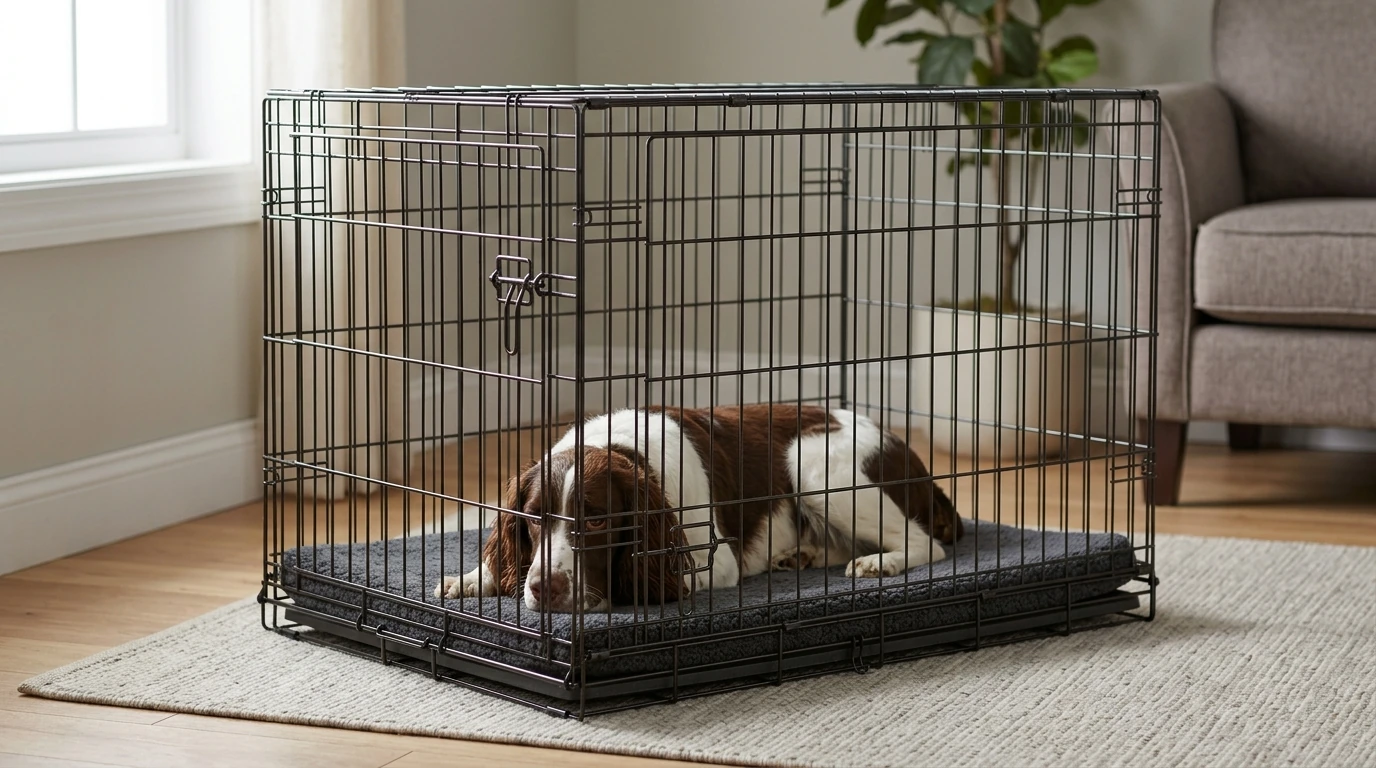
Sturdy Dog Crate with Lockable Door: Safe, Secure Containment for Home and Travel
A well-built crate with a reliable lock helps prevent escapes, protects household items, and gives a dog a predictable place to rest. The right choice balances strength, door security, ventilation, comfort, and an easy-to-clean setup—without creating pinch points or stress. For more guidance, see 2015 Crate Study Results | Center for Pet Safety.
When a lockable door makes the biggest difference
Not every dog tests boundaries the same way, but a lockable door can be a game-changer when containment has to be consistent and dependable. For further reading, see 36-Inch Heavy-Duty Dog Crate with Doors and Lockable Wheels.
- Escape-prone dogs: Extra-secure latches help stop pawing, nosing, and bumping the door open—especially when a dog has learned the “weak point” of a standard latch.
- Busy households: A dependable lock reduces accidental openings by kids, roommates, or guests who may not realize the door needs to be fully latched.
- Training and boundaries: Consistent containment supports routines like quiet time, feeding, and supervised introductions without constant second-guessing.
- Travel and errands: A secure door helps avoid sudden escapes when loading/unloading, while still allowing airflow and visibility so the dog can settle.
Key build features that signal a truly sturdy crate
“Sturdy” is more than a heavy-looking frame. The best crates hold their shape, keep the door aligned over time, and stay comfortable and safe for daily use.
- Frame and panel strength: Thicker wire/metal, reinforced corners, and solid welds resist bending and racking when a dog leans or pushes.
- Door security: Dual-latch or locking mechanisms that can’t be easily jiggled open matter as much as the frame. Good crates keep latch alignment consistent even after months of use.
- Stable base: Non-slip feet or a design that sits flat helps prevent rocking during turning, digging, or “crate dancing” at the door.
- Safe finishes: Look for smooth edges, consistent coating, and no sharp burrs where paws and noses press. These details reduce scrapes and stress.
- Ventilation and sightlines: Plenty of airflow and visibility can lower anxiety. A secure crate shouldn’t feel like a sealed box.
For training guidance that supports calm crate habits, the American Kennel Club offers a practical overview of routines and timing in Crate Training Your Dog.
Sizing and setup: comfort first, then security
A lockable door can’t compensate for a poor fit. When a crate is the right size and set up thoughtfully, many dogs settle faster and test the door less.
- How to measure: Measure length from nose to base of tail, and height from floor to the top of the head/ears. Choose a crate that allows standing, turning, and lying down comfortably.
- Puppies and growing dogs: Adjustable dividers help keep the resting area appropriately sized during house training while still letting you “grow into” the full crate.
- Bedding strategy: Use a crate pad or mat sized to the interior. For chewers, start with chew-resistant options and supervise until you know the dog’s habits.
- Placement: Pick a quiet, draft-free corner with a view of normal household activity. Avoid heat sources and direct sun that can overheat the crate space.
- Routine: Pair crate time with calm rewards and predictable cues, and avoid using the crate as punishment so it stays a neutral, restful area.
The Humane Society also outlines simple steps for positive introductions and pacing in Crate training 101.
Quick comparison table: what to check before buying
Use this checklist to narrow down options quickly—especially if your dog has a history of pushing hardware, chewing, or trying to “work” the latch.
| Category | What to look for | Why it matters |
|---|---|---|
| Door & lock | Lockable latch, secure alignment, no excessive wobble | Reduces escapes and accidental openings |
| Frame strength | Reinforced corners, sturdy welds, thicker wire/metal | Resists bending from pushing or digging |
| Safety details | Smooth edges, durable coating, no pinch points | Protects paws, nose, and gums |
| Ventilation | Plenty of airflow and visibility | Helps dogs stay calm and cool |
| Floor & cleaning | Stable base; removable tray or easy-clean surface | Simplifies maintenance and odor control |
| Fit & comfort | Correct internal dimensions; bedding compatibility | Encourages settling and restful downtime |
Using a lockable crate safely
A secure door is only helpful if it’s used in a way that keeps crate time calm, low-risk, and predictable.
Product spotlight: Sturdy Dog Crate with Lockable Door
If door security is the make-or-break factor, Sturdy Dog Crate with Lockable Door is designed for dependable containment with a lockable door that helps deter common escape attempts.
| Item | Details |
|---|---|
| Name | Sturdy Dog Crate with Lockable Door |
| Price | 322.01 USD |
| Availability | In stock |
| Product page | View product |
More in-stock picks
- Levi’s Men’s White Short-Sleeve T-Shirt
- Calvin Klein Jeans Women’s Grey Print Wallet with Zip Fastening
FAQ
Is a lockable crate door safe for everyday use?
Yes—when the lock is easy for adults to operate, fully engages without sticking, and doesn’t create pinch points. It’s also important to inspect the latch and door alignment regularly so the lock works the way it’s intended.
How do you stop a dog from trying to break out of the crate?
Use a sturdier crate with a more secure latch, then pair it with training: gradual introductions, exercise and enrichment before crating, and rewarding calm behavior. Avoid sudden, long confinement periods that can trigger frantic escape attempts.
What size crate should be chosen for a dog that’s between sizes?
Choose the size that allows your dog to stand up, turn around, and lie down comfortably. If house training is still in progress, a divider can limit extra space so the crate stays tidy while your dog learns.
Recommended for you
Men in adidas Gazelle: Sizing, Fit, and Styling Tips
Aug 10, 2026











Leave a comment