-
Shop
- Advanced Technologies
- AI Career Advantage Collection
- AI Skills
- AI Skills for Creators & Freelancers
- AI Client Management
- AI Ethics
- AI Mindset
- AI Tools & Prompts
- AI Writing & Content Creation
- Audio, Voice & Music
- Design & Visual Creation
- Email, Messaging & Communication
- Freelancing & Business
- Marketing, Ads & Conversion
- Productivity, Workflow & Automation
- SEO & Search Optimization
- Social Media Content & Growth
- Strategy, Planning & Analytics
- Video Creation & Editing
- AI Skills Mastery 2026 Collection
- Car Accessories
- Confidence
- Dating & Social Skills
- Digital Resources
- AI & Technology
- Beauty
- Budgeting & Saving
- Car Buying & Ownership
- Cozy Feast Collection
- Electronics & Technology
- Entrepreneurship & Business Growth
- Financial Education
- Financial Independence
- Financial Mindset & Psychology
- Goal Setting
- Home Styling & Organization
- Kitchen & Recipes
- Leadership
- Mindfulness
- Mindset
- Online Business
- Parenting & Child Development
- Personal Style & Fashion
- Pet Lifestyle & Wellness
- Positive Thinking
- Sleep Improvement
- Smart Life with AI
- Stress Management & Relaxation
- Travel Planning
- Wellness
- Yoga & Fitness
- Yoga & Mind-Body Practices
- Education & Learning
- Family & Parenting
- Fashion
- Fashion Accessories
- Furniture
- Gadgets
- Health & Beauty
- Health & Wellness
- Home & Garden
- Home Supplies
- Jewelry
- Kids & Babies
- Kitchen
- Kitchen Best-Sellers
- Lighting
- Online Business for Beginners
- Patio, Lawn & Garden
- Personal Growth
- Pet Care
- Pet Supplies
- Pets
- Shoes
- Smart Amazon Shopping
- Smart Home Living Guides
- Sport & Outdoors
- Super Deals
- TikTok Growth & Monetization Mastery
- Travel
- Travel & Adventure
- Wealth
- Popular
- Best deals
Ultralight Carbon Fiber Flat Pedals: 3-Bearing Grip
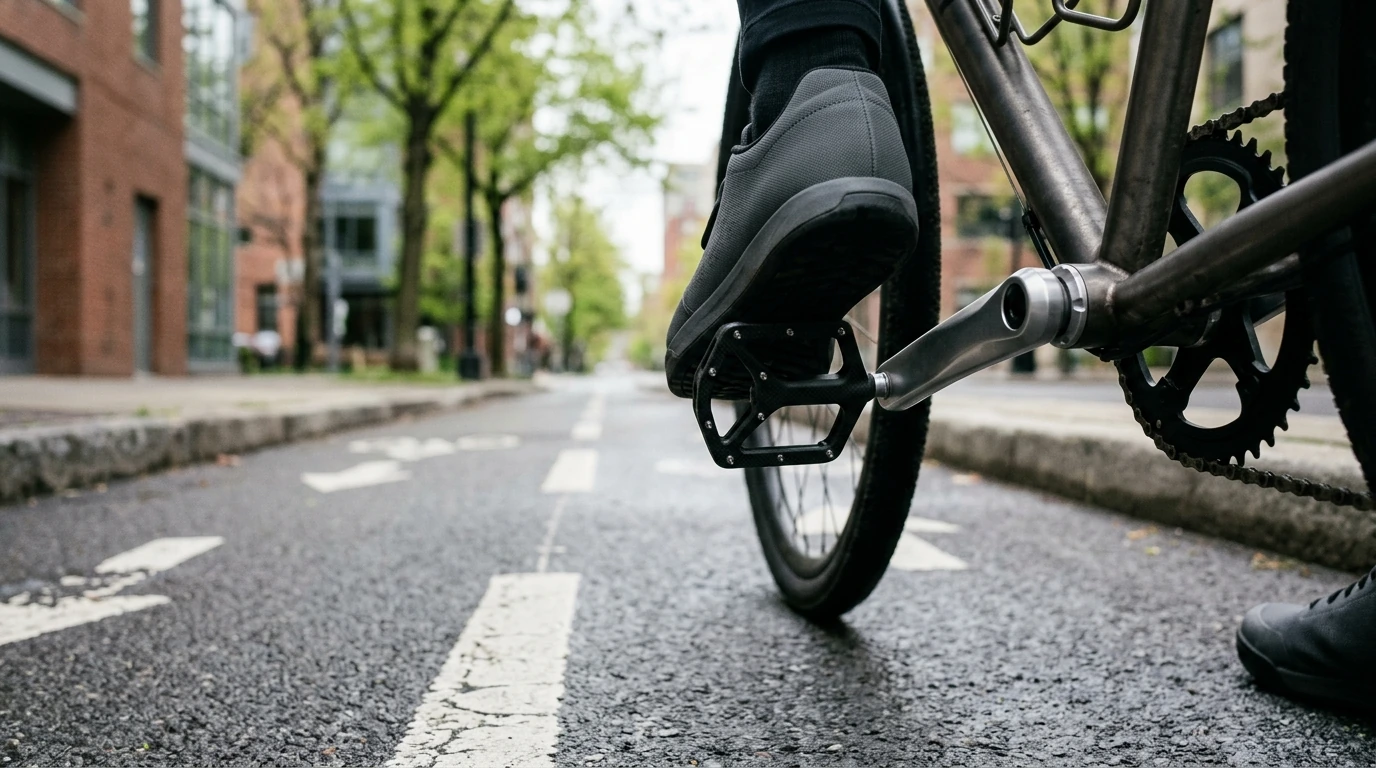
Ultralight Feel, Confident Footing: Carbon Fiber Flat Bike Pedals with 3 Bearings
Flat pedals that feel locked-in without feeling bulky can change how a bike handles—especially when rides include quick starts, sharp corners, or rough pavement. A carbon fiber pedal body paired with a multi-bearing spindle is built to keep weight down while delivering a stable platform, smooth rotation, and dependable everyday durability with minimal fuss. For more guidance, see [PDF] On your back – European Human Powered Vehicle Association.
What Makes These Pedals Different
These pedals focus on a responsive ride feel: a light, firm platform underfoot with grip features intended to keep shoes planted when conditions get unpredictable. The flat shape supports quick foot repositioning and fast step-offs at intersections, while the 3-bearing design targets smoother spinning and better long-term support than basic bushing-only options. For further reading, see Helmets by brand – BHSI.
- Ultralight carbon fiber pedal body designed to reduce rotating mass without giving up a supportive platform
- Flat pedal shape for quick foot repositioning and easy step-off in stop-and-go riding
- Anti-slip traction surface intended to keep shoes planted during hard efforts, corners, and rough pavement
- 3-bearing design to promote smooth spin and better load distribution than single-bushing designs
- Built for riders who want a responsive feel without moving to clipless systems
Specs at a Glance
Carbon fiber is often chosen for its stiffness-to-weight benefits, while multiple bearings can help keep the pedal turning smoothly as mileage adds up. Combined with a flat platform profile, the result is a setup geared toward stability without the commitment of clipless pedals.
Key Features and Why They Matter
| Feature | What it means on the bike | Why it matters |
|---|---|---|
| Carbon fiber body | Lightweight platform with a firm feel underfoot | Less weight to move each pedal stroke; responsive support when accelerating |
| Flat platform design | Foot can be placed and adjusted quickly | Confidence for urban riding and technical moments where fast repositioning helps |
| Anti-slip traction | Grippy contact between shoe sole and pedal face | Reduces foot slip in wet/dusty conditions and during sprints |
| 3-bearing construction | Multiple bearings share load along the axle | Smoother rotation and improved durability vs. basic bushing-only setups |
| Service-friendly concept | Bearing systems are typically maintainable with the right tools | Extends lifespan and helps keep pedals quiet and smooth |
Grip and Shoe Compatibility
Grip on a flat pedal is a partnership between the pedal face and the shoe sole. Anti-slip features can help across many shoe types, but the best results usually come from a flatter sole that maximizes contact area.
- Anti-slip performance depends on shoe sole compound and tread pattern; flat-soled shoes typically maximize contact area
- For casual sneakers, traction features can still help, but wet conditions may require more deliberate foot placement
- Platform pedals suit riders who frequently dab a foot at intersections or on loose surfaces
- For maximum grip on trails, pair with flat-pedal shoes designed with sticky rubber soles
If your shoes have very deep, aggressive lugs, you may notice less consistent bite because the lugs can “bridge” contact points instead of sitting flush. A flatter tread pattern generally feels more planted, especially when you’re leaning the bike through turns.
Bearing Design and Long-Term Smoothness
A smooth pedal isn’t just about comfort—it helps your cadence feel consistent, and it reduces the chance of developing unwanted play that can make pedaling feel vague. A 3-bearing layout is intended to distribute loads along the axle more effectively, which can help maintain a tight, solid feel over time.
- A 3-bearing layout is designed to keep rotation consistent under higher loads and reduce side-to-side play over time
- Sealed-bearing systems (common in multi-bearing pedals) generally resist contamination better than open designs
- Smooth bearings can reduce fatigue by keeping pedaling feel consistent across long rides
- Periodic checks for play, noise, or roughness help catch wear early before it affects the spindle or crank threads
For riders who regularly see dust, rain, or gritty winter roads, sealed bearings can be a practical advantage. They won’t make a pedal maintenance-free forever, but they can slow down the cycle of contamination that often shortens the life of entry-level designs.
Installation and Setup Tips
Correct installation prevents creaks, protects crank threads, and makes future removal easier. Most modern bikes use a 9/16″ pedal thread, but it’s still worth confirming before you start.
For step-by-step guidance on thread direction and removal basics, see Shimano’s install notes and Park Tool’s pedal service overview: Shimano: How to Install Pedals and Park Tool: Pedal Installation and Removal.
Care, Maintenance, and Troubleshooting
When These Pedals Are a Good Fit
In-Stock Picks
- Ultralight Carbon Fiber Flat Bike Pedals with Anti-Slip 3 Bearing Design ($49.51)
- Calvin Klein Jeans Women’s Grey Print Wallet with Zip Fastening ($38.01)
- Levi’s Men’s White Short-Sleeve T-Shirt ($21.27)
FAQ
Do flat pedals with carbon fiber bodies hold up for everyday riding?
They can, as long as the pedal is built well and you periodically check for impact damage, cracks, or developing axle play. For commuting and fitness riding, routine inspection plus keeping threads greased and bearings smooth is usually enough to stay reliable.
How do multiple bearings in a pedal improve performance?
Multiple bearings help share loads along the axle, which can reduce side-to-side play and keep rotation smooth under harder pedaling. Sealed bearing systems also tend to resist water and grit better than simpler bushing-only designs.
What shoes work best with anti-slip flat pedals?
Flat-pedal shoes or any shoe with a relatively flat, sticky rubber sole typically grips best because it maximizes contact area. Deep lugs can reduce consistent contact, and in wet conditions it helps to place your foot deliberately and keep the pedal surface clear of mud.
Recommended for you


Why People Are Ditching Air Fryers in 2026
Aug 9, 2026













Leave a comment