-
Shop
- Advanced Technologies
- AI Career Advantage Collection
- AI Skills
- AI Skills for Creators & Freelancers
- AI Client Management
- AI Ethics
- AI Mindset
- AI Tools & Prompts
- AI Writing & Content Creation
- Audio, Voice & Music
- Design & Visual Creation
- Email, Messaging & Communication
- Freelancing & Business
- Marketing, Ads & Conversion
- Productivity, Workflow & Automation
- SEO & Search Optimization
- Social Media Content & Growth
- Strategy, Planning & Analytics
- Video Creation & Editing
- AI Skills Mastery 2026 Collection
- Car Accessories
- Confidence
- Dating & Social Skills
- Digital Resources
- AI & Technology
- Beauty
- Budgeting & Saving
- Car Buying & Ownership
- Cozy Feast Collection
- Electronics & Technology
- Entrepreneurship & Business Growth
- Financial Education
- Financial Independence
- Financial Mindset & Psychology
- Goal Setting
- Home Styling & Organization
- Kitchen & Recipes
- Leadership
- Mindfulness
- Mindset
- Online Business
- Parenting & Child Development
- Personal Style & Fashion
- Pet Lifestyle & Wellness
- Positive Thinking
- Sleep Improvement
- Smart Life with AI
- Stress Management & Relaxation
- Travel Planning
- Wellness
- Yoga & Fitness
- Yoga & Mind-Body Practices
- Education & Learning
- Family & Parenting
- Fashion
- Fashion Accessories
- Furniture
- Gadgets
- Health & Beauty
- Health & Wellness
- Home & Garden
- Home Supplies
- Jewelry
- Kids & Babies
- Kitchen
- Kitchen Best-Sellers
- Lighting
- Online Business for Beginners
- Patio, Lawn & Garden
- Personal Growth
- Pet Care
- Pet Supplies
- Pets
- Shoes
- Smart Amazon Shopping
- Smart Home Living Guides
- Sport & Outdoors
- Super Deals
- TikTok Growth & Monetization Mastery
- Travel
- Travel & Adventure
- Wealth
- Popular
- Best deals
Wash a Tufted Bath Mat Safely: Gentle Steps
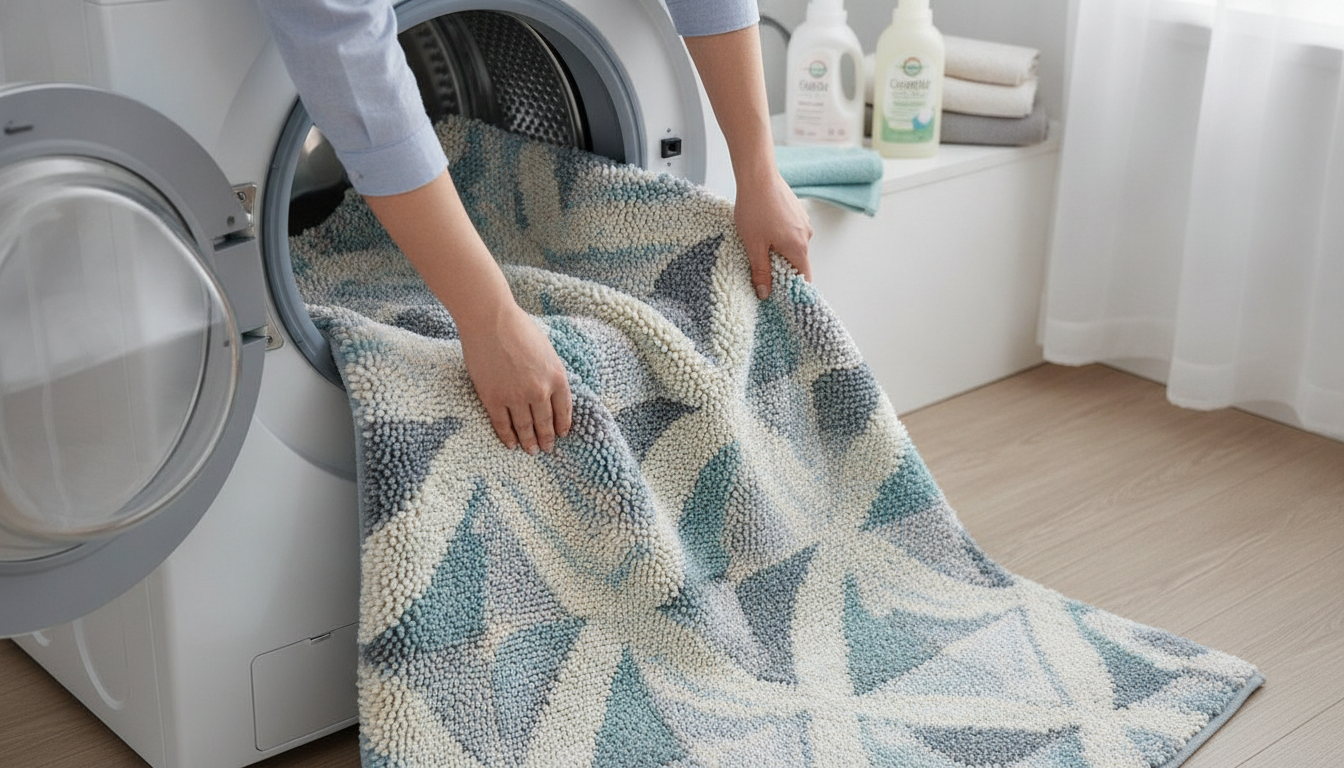
How to wash a tufted bath mat?
Tufted bath mats feel plush underfoot, but the same dense loops that make them cozy can trap soap residue, hair, and moisture. The safest approach is to confirm the care label first, then choose a gentle wash routine that protects the backing and keeps the tufts from matting.
1) Check the label and prep the mat
Before washing, shake the mat outside to remove loose debris. If there’s visible hair or lint, a quick pass with a vacuum or lint roller helps prevent it from clumping in the wash. Spot-clean makeup, rust marks, or mildew areas with a small amount of mild detergent and cool water, then rinse.
2) Machine-wash on a gentle cycle (when allowed)
If the label permits machine washing, use cold or lukewarm water and a gentle or delicate cycle. Choose a mild detergent and skip bleach unless the tag explicitly allows it. To reduce wear on the tufting and help the mat rinse cleanly, wash it with a couple of towels (avoid overloading the washer).
3) Protect the backing
Many tufted mats have rubber or latex backing that can crack or peel with high heat and harsh chemicals. Avoid hot water, heavy-duty cycles, and strong cleaners. If the mat’s backing is already flaking, hand-washing is safer than machine agitation.
4) Dry the right way
Air-drying is the most reliable option for preserving shape and backing. Hang it over a railing or lay it flat in a well-ventilated area, flipping once so both sides dry fully. If the care label allows tumble drying, use low heat only and remove promptly to prevent stiffness and curling.
5) Fluff and reset the pile
Once dry, shake the mat and gently brush the pile with your fingers to lift flattened tufts. If it still feels stiff, an extra rinse (no detergent) can help remove lingering soap film.
For a more detailed, step-by-step guide (including what to avoid with different backings), visit https://irmino.com/how-to-wash-a-tufted-bath-mat/.
FAQ
How often should you wash a bath mat?
Wash most bath mats about once a week, or sooner if they stay damp, smell musty, or get heavy daily use. In humid bathrooms, more frequent washing helps prevent mildew and buildup.















Leave a comment