-
Shop
- Advanced Technologies
- AI Career Advantage Collection
- AI Skills
- AI Skills for Creators & Freelancers
- AI Client Management
- AI Ethics
- AI Mindset
- AI Tools & Prompts
- AI Writing & Content Creation
- Audio, Voice & Music
- Design & Visual Creation
- Email, Messaging & Communication
- Freelancing & Business
- Marketing, Ads & Conversion
- Productivity, Workflow & Automation
- SEO & Search Optimization
- Social Media Content & Growth
- Strategy, Planning & Analytics
- Video Creation & Editing
- AI Skills Mastery 2026 Collection
- Car Accessories
- Confidence
- Dating & Social Skills
- Digital Resources
- AI & Technology
- Beauty
- Budgeting & Saving
- Car Buying & Ownership
- Cozy Feast Collection
- Electronics & Technology
- Entrepreneurship & Business Growth
- Financial Education
- Financial Independence
- Financial Mindset & Psychology
- Goal Setting
- Home Styling & Organization
- Kitchen & Recipes
- Leadership
- Mindfulness
- Mindset
- Online Business
- Parenting & Child Development
- Personal Style & Fashion
- Pet Lifestyle & Wellness
- Positive Thinking
- Sleep Improvement
- Smart Life with AI
- Stress Management & Relaxation
- Travel Planning
- Wellness
- Yoga & Fitness
- Yoga & Mind-Body Practices
- Education & Learning
- Family & Parenting
- Fashion
- Fashion Accessories
- Furniture
- Gadgets
- Health & Beauty
- Health & Wellness
- Home & Garden
- Home Supplies
- Jewelry
- Kids & Babies
- Kitchen
- Kitchen Best-Sellers
- Lighting
- Online Business for Beginners
- Patio, Lawn & Garden
- Personal Growth
- Pet Care
- Pet Supplies
- Pets
- Shoes
- Smart Amazon Shopping
- Smart Home Living Guides
- Sport & Outdoors
- Super Deals
- TikTok Growth & Monetization Mastery
- Travel
- Travel & Adventure
- Wealth
- Popular
- Best deals
Selling a Car You Still Owe On: What Happens Next?
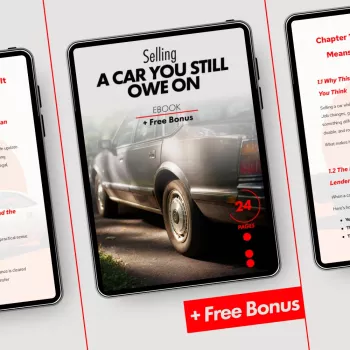
What happens if I sell my car but still owe on it?
If you sell a car that still has a loan on it, the debt doesn’t disappear—the lender keeps a lien on the title until the payoff is made. That means the sale has to be structured so the loan is paid off and the buyer can receive a clean title (or the proper title transfer paperwork, depending on your state).
How the sale typically works
Most financed-car sales are handled by paying off the loan as part of the transaction. If you sell to a dealership, they usually request a payoff quote, send funds to your lender, and handle the lien release. If you sell privately, the safest approach is to complete the deal at your bank or the lender’s office (or via an escrow-like process) so the payoff is sent directly to the lender and paperwork is handled correctly.
What if the car is worth more than you owe?
If your sale price exceeds the loan payoff, the remaining amount is your equity. After the lender receives the payoff and closes the loan, you keep the difference (or the dealer cuts you a check after they pay the lender).
What if you owe more than the car sells for?
If the sale price is less than the payoff, you have negative equity and must cover the gap. Lenders won’t release the lien until the full payoff amount is received, so you’ll typically bring cash to closing or arrange financing for the difference. If you don’t, the title can’t be properly transferred and the deal can fall apart.
Why the lien release and title matter
The buyer needs proof the lien is satisfied—often a lien release letter and/or an updated title. Processing times vary, so it’s smart to set expectations with the buyer and document everything in writing.
For a step-by-step walkthrough on payoff quotes, lien releases, and title transfer logistics, see this guide to selling a financed car.
FAQ
Can I sell a financed car to a private buyer?
Yes, but you’ll need a plan to pay the lender and obtain the lien release so the buyer can receive clear ownership. Many sellers close the transaction at the lender or use a process where the payoff goes directly to the bank.














Leave a comment