-
Shop
- Advanced Technologies
- AI Career Advantage Collection
- AI Skills
- AI Skills for Creators & Freelancers
- AI Client Management
- AI Ethics
- AI Mindset
- AI Tools & Prompts
- AI Writing & Content Creation
- Audio, Voice & Music
- Design & Visual Creation
- Email, Messaging & Communication
- Freelancing & Business
- Marketing, Ads & Conversion
- Productivity, Workflow & Automation
- SEO & Search Optimization
- Social Media Content & Growth
- Strategy, Planning & Analytics
- Video Creation & Editing
- AI Skills Mastery 2026 Collection
- Car Accessories
- Confidence
- Dating & Social Skills
- Digital Resources
- AI & Technology
- Beauty
- Budgeting & Saving
- Car Buying & Ownership
- Cozy Feast Collection
- Electronics & Technology
- Entrepreneurship & Business Growth
- Financial Education
- Financial Independence
- Financial Mindset & Psychology
- Goal Setting
- Home Styling & Organization
- Kitchen & Recipes
- Leadership
- Mindfulness
- Mindset
- Online Business
- Parenting & Child Development
- Personal Style & Fashion
- Pet Lifestyle & Wellness
- Positive Thinking
- Sleep Improvement
- Smart Life with AI
- Stress Management & Relaxation
- Travel Planning
- Wellness
- Yoga & Fitness
- Yoga & Mind-Body Practices
- Education & Learning
- Family & Parenting
- Fashion
- Fashion Accessories
- Furniture
- Gadgets
- Health & Beauty
- Health & Wellness
- Home & Garden
- Home Supplies
- Jewelry
- Kids & Babies
- Kitchen
- Kitchen Best-Sellers
- Lighting
- Online Business for Beginners
- Patio, Lawn & Garden
- Personal Growth
- Pet Care
- Pet Supplies
- Pets
- Shoes
- Smart Amazon Shopping
- Smart Home Living Guides
- Sport & Outdoors
- Super Deals
- TikTok Growth & Monetization Mastery
- Travel
- Travel & Adventure
- Wealth
- Popular
- Best deals
Best Diet for Pet Rats: Pellets, Veggies & Treats
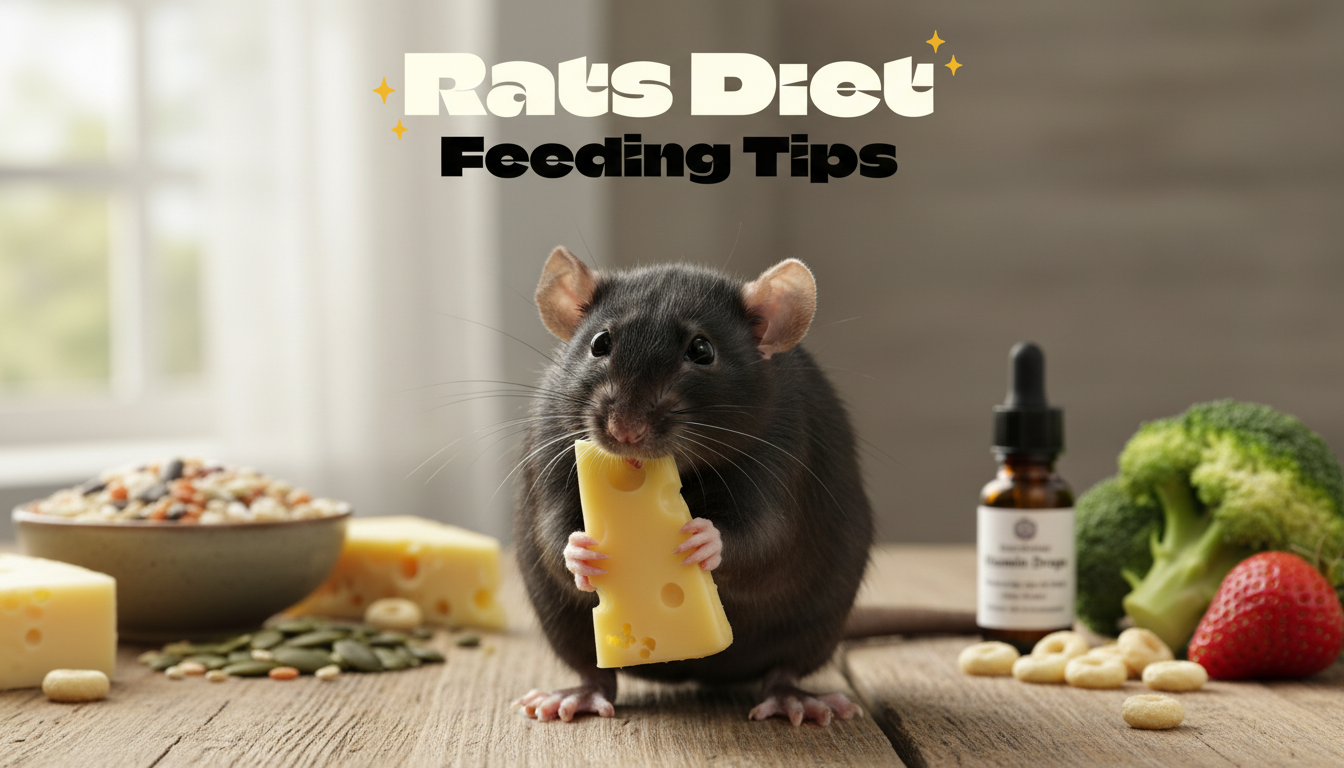
What is the best diet for rats?
The best diet for pet rats is a balanced routine built around a high-quality lab block (pelleted) rat food, plus daily fresh vegetables, small portions of fruit, and occasional treats. This approach keeps nutrition consistent while still giving variety, enrichment, and moisture from fresh foods.
Start with a quality lab block as the staple
A plain, complete rat pellet (often called a lab block) should make up the majority of your rat’s diet. Unlike many seed-heavy mixes, pellets prevent selective eating (where rats pick out the tastiest bits and skip the balanced parts). Look for a reputable rat-specific formula and keep it available in measured portions so you can monitor appetite and weight.
Add fresh veggies every day for variety and fiber
Fresh vegetables are the best daily “add-on” to pellets. Offer a small assortment of rat-safe veggies—especially leafy greens and crunchy options—to encourage chewing and natural foraging. Introduce new produce slowly, and remove leftovers after a few hours so it doesn’t spoil in the cage.
Use fruit and treats sparingly
Fruit is best as an occasional snack because it’s higher in sugar. Treats should be truly occasional—think tiny portions, not a second meal. Too many calorie-dense extras can lead to weight gain and can crowd out the balanced nutrition your rats get from pellets and veggies.
Keep water fresh and feeding predictable
Clean, fresh water should always be available (a bottle is common, but bowls can work if kept clean). Consistent meal timing also helps you notice changes in appetite early, which can be a sign of illness.
For a practical breakdown of portions, timing, and safe food ideas, see the full guide here: rat feeding schedule and balanced diet guide.
For Best Diet for Pet Rats: Pellets, Veggies & Treats, the best answer depends on fit, material, care instructions, and how the product will be used day to day.
FAQ
What foods are toxic to rats?
Avoid alcohol, caffeine, chocolate, and any moldy or spoiled foods. It’s also safest to skip sticky, sugary, or heavily processed human snacks that can cause choking risks or nutritional imbalance.
Recommended for you


Smart Mapping Robot Vacuum: 2200Pa, 120-Min, App
Jul 23, 2026
Unshakable Confidence Checklist: 60-Second Reset
Jul 24, 2026













Leave a comment