-
Shop
- Advanced Technologies
- AI Career Advantage Collection
- AI Skills
- AI Skills for Creators & Freelancers
- AI Client Management
- AI Ethics
- AI Mindset
- AI Tools & Prompts
- AI Writing & Content Creation
- Audio, Voice & Music
- Design & Visual Creation
- Email, Messaging & Communication
- Freelancing & Business
- Marketing, Ads & Conversion
- Productivity, Workflow & Automation
- SEO & Search Optimization
- Social Media Content & Growth
- Strategy, Planning & Analytics
- Video Creation & Editing
- AI Skills Mastery 2026 Collection
- Car Accessories
- Confidence
- Dating & Social Skills
- Digital Resources
- AI & Technology
- Beauty
- Budgeting & Saving
- Car Buying & Ownership
- Cozy Feast Collection
- Electronics & Technology
- Entrepreneurship & Business Growth
- Financial Education
- Financial Independence
- Financial Mindset & Psychology
- Goal Setting
- Home Styling & Organization
- Kitchen & Recipes
- Leadership
- Mindfulness
- Mindset
- Online Business
- Parenting & Child Development
- Personal Style & Fashion
- Pet Lifestyle & Wellness
- Positive Thinking
- Sleep Improvement
- Smart Life with AI
- Stress Management & Relaxation
- Travel Planning
- Wellness
- Yoga & Fitness
- Yoga & Mind-Body Practices
- Education & Learning
- Family & Parenting
- Fashion
- Fashion Accessories
- Furniture
- Gadgets
- Health & Beauty
- Health & Wellness
- Home & Garden
- Home Supplies
- Jewelry
- Kids & Babies
- Kitchen
- Kitchen Best-Sellers
- Lighting
- Online Business for Beginners
- Patio, Lawn & Garden
- Personal Growth
- Pet Care
- Pet Supplies
- Pets
- Shoes
- Smart Amazon Shopping
- Smart Home Living Guides
- Sport & Outdoors
- Super Deals
- TikTok Growth & Monetization Mastery
- Travel
- Travel & Adventure
- Wealth
- Popular
- Best deals
Buying a Second Hand Cat Tree: Safety Checks & Cleaning
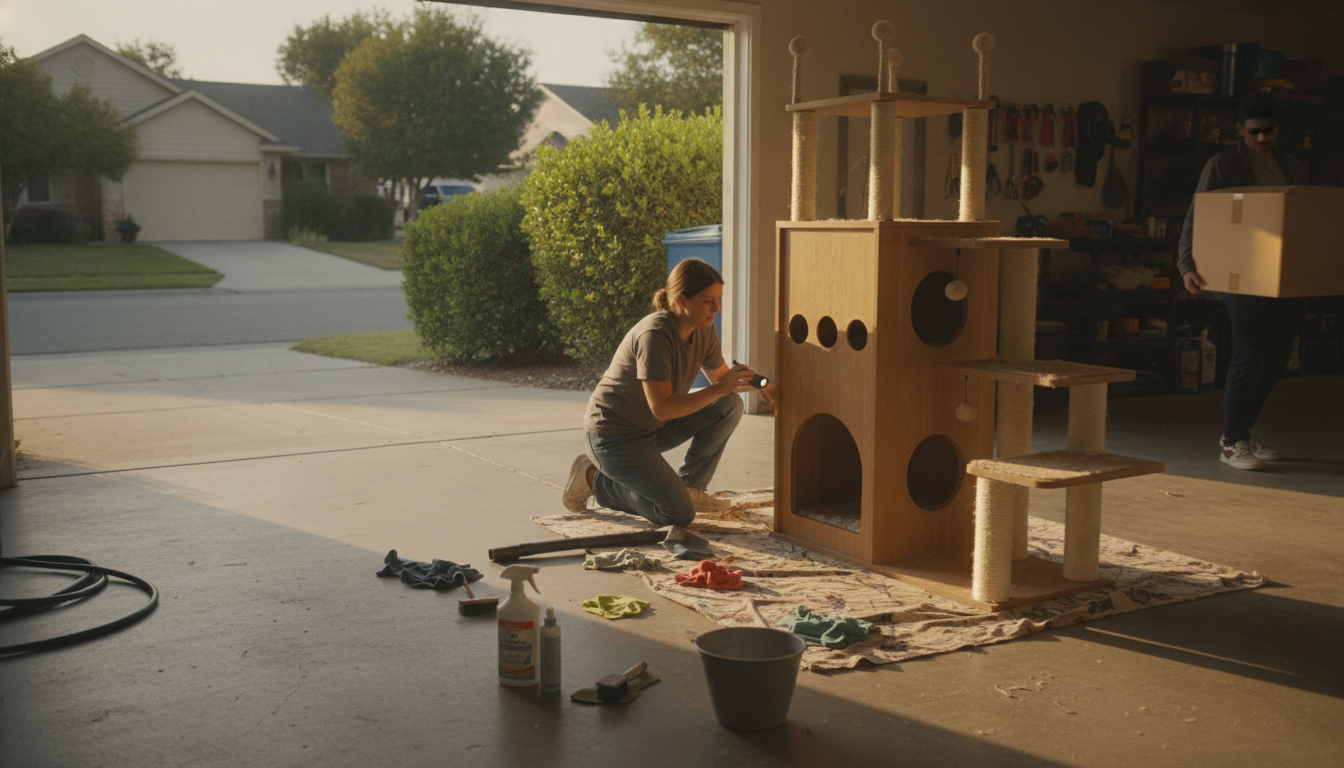
Can I buy a second hand cat tree?
Yes—buying a second hand cat tree can be a smart way to save money, especially for kittens, temporary setups, or as a backup perch in a second room. The key is making sure it’s safe, stable, and sanitary before it ever reaches your cat.
What to check before buying a used cat tree
Stability and structure
Give it a firm shake. A quality cat tree should feel solid, not wobbly or top-heavy. Inspect the base, posts, and platforms for cracks, splitting wood, stripped screws, or sagging shelves. If you can’t tighten hardware securely, skip it—cats leap and twist, and a collapse can cause injuries.
Wear on scratching posts
Look closely at sisal rope and carpeted posts. If the rope is frayed down to the core or peeling in sheets, your cat may not use it—or could ingest loose fibers. Light wear is fine, but heavy shredding usually means you’ll need to rewrap posts or replace the tree.
Cleanliness, odor, and pests
A strong urine smell is hard to remove from porous materials and can encourage marking. Also inspect seams, undersides, and fabric folds for signs of fleas, flea dirt, or bedbugs. When in doubt, pass; it’s not worth introducing pests into your home.
How to clean and refresh a second hand cat tree
Vacuum thoroughly, including crevices and undersides. If covers are removable, wash them according to their care labels. For non-removable surfaces, use a pet-safe cleaner and let everything dry completely. If the structure allows, replacing worn sisal, adding new fleece to platforms, or swapping cushion inserts can make a used cat tree feel nearly new.
When a used cat tree is a bad idea
Avoid second hand cat trees with persistent odors, mold, visible pests, missing supports, or significant wobble. Also be cautious with very tall trees that can’t be anchored or stabilized—saving money doesn’t help if the tree becomes a tipping hazard.
For a deeper look at safety, cleaning, and what to avoid, visit https://irmino.com/can-i-buy-a-second-hand-cat-tree/.
FAQ
How do I disinfect a used cat tree safely?
Vacuum first, then spot-clean with a pet-safe disinfecting cleaner and allow it to fully dry. If any fabric parts are removable, wash them separately and air-dry to prevent mildew.
Recommended for you


Stay Calm When Plans Change: A 60-Second Reset
Jun 21, 2026













Leave a comment