-
Shop
- Advanced Technologies
- AI Career Advantage Collection
- AI Skills
- AI Skills for Creators & Freelancers
- AI Client Management
- AI Ethics
- AI Mindset
- AI Tools & Prompts
- AI Writing & Content Creation
- Audio, Voice & Music
- Design & Visual Creation
- Email, Messaging & Communication
- Freelancing & Business
- Marketing, Ads & Conversion
- Productivity, Workflow & Automation
- SEO & Search Optimization
- Social Media Content & Growth
- Strategy, Planning & Analytics
- Video Creation & Editing
- AI Skills Mastery 2026 Collection
- Car Accessories
- Confidence
- Dating & Social Skills
- Digital Resources
- AI & Technology
- Beauty
- Budgeting & Saving
- Car Buying & Ownership
- Cozy Feast Collection
- Electronics & Technology
- Entrepreneurship & Business Growth
- Financial Education
- Financial Independence
- Financial Mindset & Psychology
- Goal Setting
- Home Styling & Organization
- Kitchen & Recipes
- Leadership
- Mindfulness
- Mindset
- Online Business
- Parenting & Child Development
- Personal Style & Fashion
- Pet Lifestyle & Wellness
- Positive Thinking
- Sleep Improvement
- Smart Life with AI
- Stress Management & Relaxation
- Travel Planning
- Wellness
- Yoga & Fitness
- Yoga & Mind-Body Practices
- Education & Learning
- Family & Parenting
- Fashion
- Accessories
- Alexander McQueen
- Bags
- Bags & Wallets
- Belts
- Blazers
- Bottega Veneta
- Bottoms
- Brunello Cucinelli
- Chloé
- Clothing
- Dolce & Gabbana
- Dresses
- Etro
- Hats & Hair Accessories
- Hoodies & Sweatshirts
- Jacquemus
- Jil Sander
- Kiton
- Luggage
- Miu Miu
- Off-White
- Outerwear
- Rick Owens
- Scarves
- Socks & Tights
- Sweaters & Cardigans
- The Row
- Tom Ford
- Tops & Shirts
- Valentino Garavani
- Vivienne Westwood
- Watches
- Fashion Accessories
- Furniture
- Gadgets
- Health & Beauty
- Health & Wellness
- Home & Garden
- Home Supplies
- Jewelry
- Kids & Babies
- Kitchen
- Kitchen Best-Sellers
- Lighting
- Luxury Brands Collection
- Online Business for Beginners
- Patio, Lawn & Garden
- Personal Growth
- Pet Care
- Pet Supplies
- Pets
- Shoes
- Smart Amazon Shopping
- Smart Home Living Guides
- Sport & Outdoors
- Super Deals
- TikTok Growth & Monetization Mastery
- Travel
- Travel & Adventure
- Wealth
- Popular
- Best deals
Beauty Sleep Ritual: Glowing Skin, Hair & Strong Nails
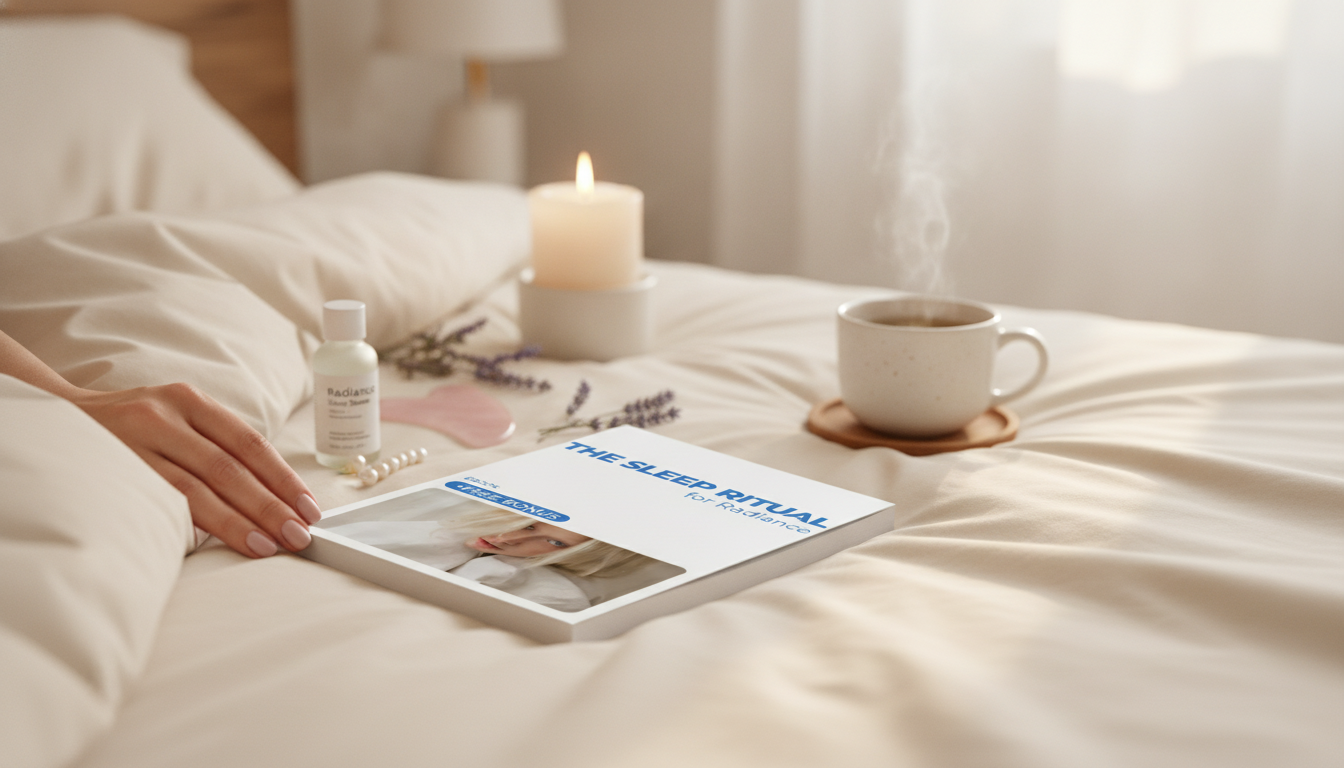
The Sleep Ritual for Radiance: Restorative Sleep for Glowing Skin, Hair, and Nails
Restorative sleep is when nightly repair systems work at full capacity—supporting skin barrier recovery, hair growth cycles, and strong nails. A consistent pre-bed ritual, smarter light exposure, and a few targeted habits can noticeably improve morning radiance over time. If your goals include waking up with calmer-looking skin, less “tired” puffiness, and softer hair and hands, the most effective routine is often the one you can repeat nightly.
Why sleep changes the way skin, hair, and nails look
While you sleep, the body shifts into maintenance mode. That’s why the difference between a steady sleep schedule and a scattered one can show up in your complexion and overall polish.
- Skin barrier recovery: Overnight recovery supports the skin barrier, helping reduce dullness and the look of irritation by morning.
- Stress signals look visible fast: Sleep loss can amplify stress signals that show up as puffiness, uneven tone, and more visible under-eye darkness.
- Growth rhythms matter: Hair and nails depend on steady nutrient delivery and balanced hormones; inconsistent sleep can disrupt these rhythms.
- Consistency beats “catch-up”: Regular sleep and wake times often outperform weekend catch-up sleep for visible results.
For a reliable foundation, the National Sleep Foundation’s overview of sleep hygiene is a helpful reference for dialing in the basics: National Sleep Foundation — Sleep Hygiene.
A simple evening rhythm that supports overnight repair
The easiest ritual to follow is the one that removes decisions. Pick a fixed wind-down start time—typically 60–90 minutes before bed—and repeat the same order nightly. That repetition becomes a cue to downshift.
- Choose a “wind-down start”: Set an alarm to begin winding down rather than waiting until you feel sleepy.
- Use a transition stack: Dim lights → warm shower or wash → skincare → low-stimulation activity (reading, stretching, calm audio).
- Keep problem-solving out of bed: Do a quick brain-dump list earlier in the evening to calm mental chatter.
- Optimize the room: A cool, dark, quiet environment supports deeper sleep stages tied to recovery.
90-minute sleep ritual timeline
| Time before bed | Ritual step | Why it helps |
|---|---|---|
| 90–60 min | Dim lights, lower screens, stop heavy work | Eases the shift into a calmer state and supports natural sleep signals |
| 60–45 min | Warm shower or face cleanse | Comfort and routine; prepares skin for nighttime care |
| 45–30 min | Skincare + lip care + hand cuticle oil | Supports barrier comfort and targets dryness where it shows first |
| 30–15 min | Light stretch or breathwork | Reduces tension that can fragment sleep |
| 15–0 min | Read, gentle music, or guided relaxation | Keeps the brain from reactivating right before lights-out |
Want a structured, step-by-step routine you can keep on your nightstand? The Sleep Ritual for Radiance: A Guide to Restorative Sleep for Glowing Skin, Hair, and Nails organizes the key habits (timing, environment, and simple tracking) into a repeatable plan.
Night skincare that looks better by morning
Night routines work best when they support comfort, not when they “punish” the skin. If you’re chasing glow, prioritize calm and consistency.
- Start gentle, then moisturize: Cleanse without stripping, then seal in moisture. Harsh routines can increase dryness and visible texture.
- Commit for 3–4 weeks: Frequent product swapping can trigger sensitivity, making skin look rougher before it looks better.
- Be kind to the eye area: Avoid rubbing, keep hydration consistent, and consider a slightly elevated head position if morning puffiness is common.
- Upgrade the pillowcase habit: Change it regularly and keep hair products off facial skin where possible.
For straightforward basics that pair well with a sleep-first approach, the American Academy of Dermatology’s skin care guidance can help you keep routines simple and barrier-friendly: American Academy of Dermatology — Skin care basics.
Hair and scalp habits that benefit from better sleep
Great sleep supports growth rhythms, but your overnight hair handling determines how much breakage and frizz you wake up with.
- Reduce friction: A loose braid or soft wrap can limit tangles and breakage, especially for longer hair.
- Avoid soaking-wet hair when possible: Dampness plus friction can increase breakage and scalp discomfort overnight.
- Place oils strategically: If you’re prone to buildup, keep heavier oils off the scalp and focus on mid-lengths and ends.
- Don’t ignore persistent itch or flaking: Check triggers (products, stress, overwashing) and consult a professional when needed.
Nails and hands: the small nightly steps that add up
Daytime habits that make the nighttime ritual work
If you’re unsure whether sleep debt is affecting how you look and feel, MedlinePlus offers a clear overview of what sleep deprivation can do: NIH MedlinePlus — Sleep Deprivation.
A guided approach for building a repeatable ritual
For practical lighting ideas that support your wind-down window, Turning Your House into a Glowing Retreat: Cozy Home Lighting Tips & Guides can help you set up a calmer evening atmosphere that’s easier to maintain.
FAQ
How long does it take for better sleep to show on skin?
Some people notice less puffiness and better hydration within a few days, especially with a consistent bedtime and gentler night skincare. Changes in texture and tone typically take several weeks of steady sleep and routine.
What is the best bedtime routine for glowing skin and stronger hair?
A consistent schedule plus dimmer lighting 60–90 minutes before bed, gentle cleansing and moisturizing, and reduced hair friction (like a loose braid) is a strong baseline. Keep the final 15 minutes low-stimulation—reading or calm audio—so sleep comes easier and stays deeper.
Can late-night screen time affect skin appearance?
Late screens can delay sleep and shorten restorative stages by keeping your brain stimulated and your environment bright. Try a screen cutoff, lower brightness, and warmer lighting in the hour before bed to make your wind-down more effective.















Leave a comment