-
Shop
- Advanced Technologies
- AI Career Advantage Collection
- AI Skills
- AI Skills for Creators & Freelancers
- AI Client Management
- AI Ethics
- AI Mindset
- AI Tools & Prompts
- AI Writing & Content Creation
- Audio, Voice & Music
- Design & Visual Creation
- Email, Messaging & Communication
- Freelancing & Business
- Marketing, Ads & Conversion
- Productivity, Workflow & Automation
- SEO & Search Optimization
- Social Media Content & Growth
- Strategy, Planning & Analytics
- Video Creation & Editing
- AI Skills Mastery 2026 Collection
- Car Accessories
- Confidence
- Dating & Social Skills
- Digital Resources
- AI & Technology
- Beauty
- Budgeting & Saving
- Car Buying & Ownership
- Cozy Feast Collection
- Electronics & Technology
- Entrepreneurship & Business Growth
- Financial Education
- Financial Independence
- Financial Mindset & Psychology
- Goal Setting
- Home Styling & Organization
- Kitchen & Recipes
- Leadership
- Mindfulness
- Mindset
- Online Business
- Parenting & Child Development
- Personal Style & Fashion
- Pet Lifestyle & Wellness
- Positive Thinking
- Sleep Improvement
- Smart Life with AI
- Stress Management & Relaxation
- Travel Planning
- Wellness
- Yoga & Fitness
- Yoga & Mind-Body Practices
- Education & Learning
- Family & Parenting
- Fashion
- Fashion Accessories
- Furniture
- Gadgets
- Health & Beauty
- Health & Wellness
- Home & Garden
- Home Supplies
- Jewelry
- Kids & Babies
- Kitchen
- Kitchen Best-Sellers
- Lighting
- Online Business for Beginners
- Patio, Lawn & Garden
- Personal Growth
- Pet Care
- Pet Supplies
- Pets
- Shoes
- Smart Amazon Shopping
- Smart Home Living Guides
- Sport & Outdoors
- Super Deals
- TikTok Growth & Monetization Mastery
- Travel
- Travel & Adventure
- Wealth
- Popular
- Best deals
Indoor Cat Exercise Wheel Guide: Training, Space & Safety
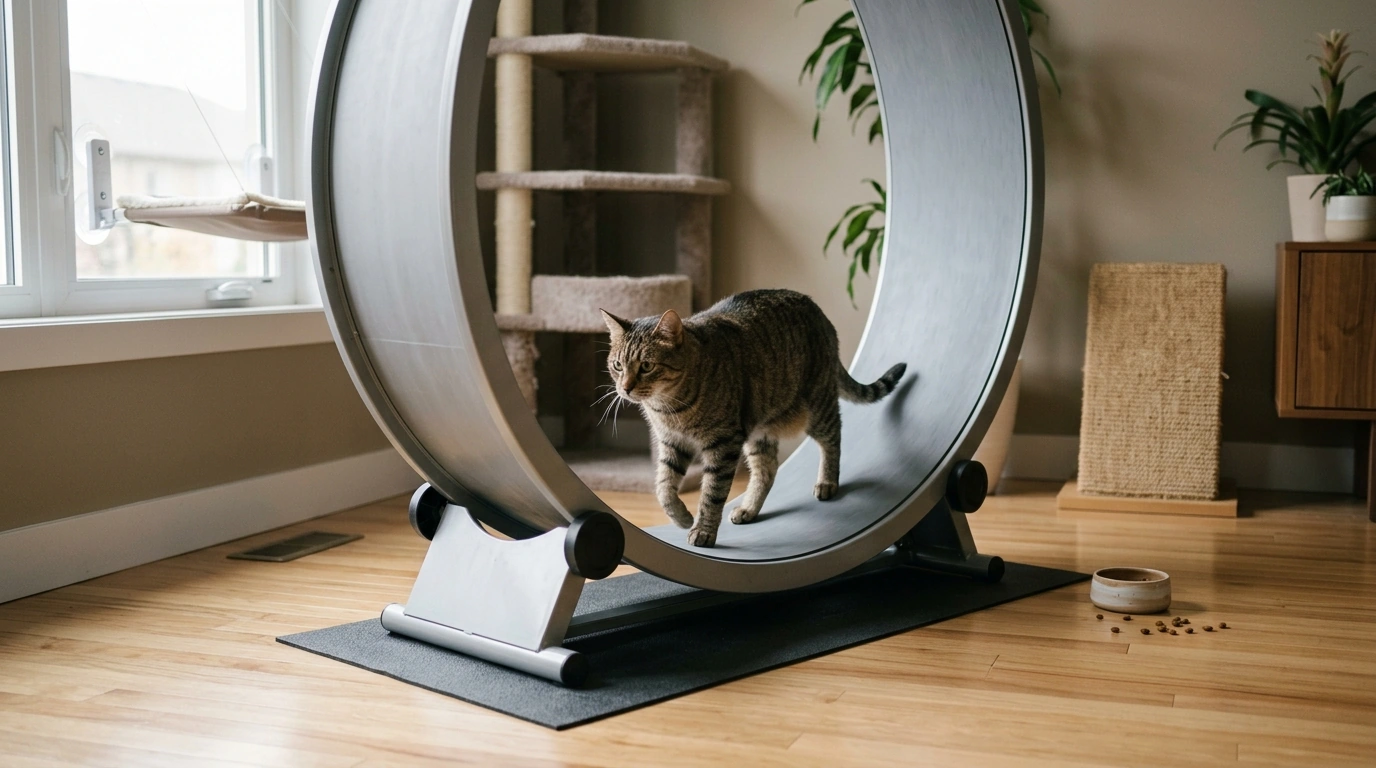
Indoor Cat Exercise Wheel: Calm Energy, Healthy Weight, Better Enrichment
An exercise wheel can turn “midnight zoomies” into a predictable routine while supporting healthy weight and daily enrichment—especially for indoor cats with limited space for running. The key is choosing a stable wheel, placing it in a low-stress spot, and introducing it with short, reward-based sessions so the wheel becomes a confident habit rather than a scary object.
What an exercise wheel does for indoor cats
Indoor cats still have strong instincts to sprint, stalk, and “patrol” territory. When the home environment can’t offer long runways or safe outdoor time, a wheel becomes a repeatable, low-effort way to meet those needs.
- Provides a consistent outlet for running and stalking behaviors when outdoor access isn’t an option.
- Supports weight management by adding purposeful movement that’s easy to repeat daily.
- Can reduce boredom-driven behaviors (excess vocalizing, rough play, scratching furniture) by meeting activity needs.
- Creates a predictable routine that many cats use before meals or play sessions.
- Works best as part of a mix: interactive play, climbing options, scratchers, and food puzzles.
For overall weight goals and safe progress, reputable guidance can help you set expectations and keep things steady over time. See the AVMA’s pet healthy weight tips and the AAHA Weight Management Guidelines. For enrichment ideas to pair with wheel time, the ASPCA enrichment resources are a practical starting point.
Space, placement, and noise considerations
Most “wheel problems” aren’t motivation problems—they’re placement problems. Cats won’t commit to running if the approach feels cramped, if the wheel wobbles, or if it sits somewhere noisy that makes them flinch.
- Measure the wheel’s footprint and add clearance so the cat can approach from multiple angles without feeling cornered.
- Place on a level surface; a thin rubber mat can reduce vibration and protect flooring.
- Avoid high-traffic choke points (hallways near doors, loud laundry rooms) to prevent startle-and-avoid patterns.
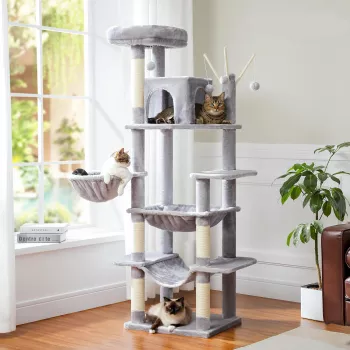
- Position near familiar resources (a cat tree, window perch) but not directly beside litter boxes or feeding stations.
- If multiple pets are present, create “escape lanes” so the cat can step away without being blocked.
Quick placement checklist
| Factor | Aim | Why it matters |
|---|---|---|
| Clearance | Open approach paths on both sides | Reduces ambush/stress and improves confidence |
| Flooring | Stable, non-slip surface or mat | Limits wobble and noise; encourages repeat use |
| Traffic | Low to moderate foot traffic | Prevents startle responses and avoidance |
| Sound | Away from loud appliances | Noise sensitivity can stop use entirely |
| Multi-pet homes | No dead ends; easy exits | Prevents guarding and conflict |
How to introduce a wheel without forcing it
The goal is “calm repetition,” not speed. A cat that learns the wheel is safe will usually build distance on their own—especially once they realize it’s part of a predictable reward loop.
- Let the cat investigate the stationary wheel first; reward sniffing and stepping onto the surface.
- Use a lure (treat or wand toy) to encourage one or two steps; stop before the cat gets uneasy.
- Keep early sessions short (30–60 seconds) and repeat 2–4 times daily for a week.
- Gradually increase motion: tiny movements first, then a few full strides once the cat stays relaxed.
- Pair wheel time with a predictable reward (treat, meal, or calm play) so it becomes part of a routine.
- Never push the cat onto the wheel or spin it fast; negative first experiences can create long-term avoidance.
A helpful “confidence cue” is ending sessions while the cat still looks curious. If you wait until they’re overstimulated, they’ll start avoiding the wheel to avoid the feeling.
A simple 14-day training plan
Think of this as a ladder. You’re only moving up when the cat’s body language stays loose: normal ears, soft tail, no crouching, no freezing.
| Days | Goal | Session length | Rewards |
|---|---|---|---|
| 1–3 | Approach and step onto wheel | 30–60 sec, 2–4x/day | Tiny treats for calm investigation |
| 4–6 | 2–5 steps with gentle lure | 30–90 sec, 2–3x/day | Treat after stepping off |
| 7–10 | 5–15 sec of continuous walking | 1–2 min, 2x/day | Treat + calm praise |
| 11–14 | 10–30 sec bursts; repeatable routine | 2–3 min, 1–2x/day | Treat or meal timing |
Safety and maintenance essentials
Choosing the right wheel for different cats
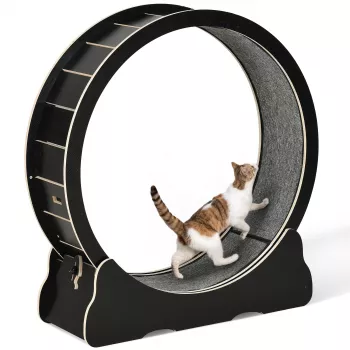
A ready-to-use option
More in-store picks
- Pink Floating Platform Bed with LED Lights and Diamond Tufted Headboard
- Levi’s Men’s White Short-Sleeve T-Shirt
FAQ
How long should a cat use an exercise wheel each day?
Most cats do best with a few short sessions totaling about 5–15 minutes per day. Start with seconds—not minutes—and let your cat’s comfort and enthusiasm set the pace, especially if they’re overweight or deconditioned.
Is an exercise wheel safe for kittens or older cats?
It can be, as long as the wheel is stable and introductions are supervised with low-speed, short sessions. For seniors (or cats with arthritis), keep sessions gentle and stop at any sign of stiffness; a veterinarian can help set safe activity limits when health issues are present.
What if a cat is afraid of the wheel and won’t go near it?
Go back to “no-motion” exposure: reward your cat for being near the wheel at a comfortable distance, then gradually move treats closer over days. Scent-transfer (rubbing a blanket on the wheel) and toy lures can help, but avoid pushing, dragging, or spinning the wheel to “show” them.














Leave a comment