-
Shop
- Advanced Technologies
- AI Career Advantage Collection
- AI Skills
- AI Skills for Creators & Freelancers
- AI Client Management
- AI Ethics
- AI Mindset
- AI Tools & Prompts
- AI Writing & Content Creation
- Audio, Voice & Music
- Design & Visual Creation
- Email, Messaging & Communication
- Freelancing & Business
- Marketing, Ads & Conversion
- Productivity, Workflow & Automation
- SEO & Search Optimization
- Social Media Content & Growth
- Strategy, Planning & Analytics
- Video Creation & Editing
- AI Skills Mastery 2026 Collection
- Car Accessories
- Confidence
- Dating & Social Skills
- Digital Resources
- AI & Technology
- Beauty
- Budgeting & Saving
- Car Buying & Ownership
- Cozy Feast Collection
- Electronics & Technology
- Entrepreneurship & Business Growth
- Financial Education
- Financial Independence
- Financial Mindset & Psychology
- Goal Setting
- Home Styling & Organization
- Kitchen & Recipes
- Leadership
- Mindfulness
- Mindset
- Online Business
- Parenting & Child Development
- Personal Style & Fashion
- Pet Lifestyle & Wellness
- Positive Thinking
- Sleep Improvement
- Smart Life with AI
- Stress Management & Relaxation
- Travel Planning
- Wellness
- Yoga & Fitness
- Yoga & Mind-Body Practices
- Education & Learning
- Family & Parenting
- Fashion
- Fashion Accessories
- Furniture
- Gadgets
- Health & Beauty
- Health & Wellness
- Home & Garden
- Home Supplies
- Jewelry
- Kids & Babies
- Kitchen
- Kitchen Best-Sellers
- Lighting
- Online Business for Beginners
- Patio, Lawn & Garden
- Personal Growth
- Pet Care
- Pet Supplies
- Pets
- Shoes
- Smart Amazon Shopping
- Smart Home Living Guides
- Sport & Outdoors
- Super Deals
- TikTok Growth & Monetization Mastery
- Travel
- Travel & Adventure
- Wealth
- Popular
- Best deals
Reflective No-Pull Dog Harness: Fast Fit, Adjustable
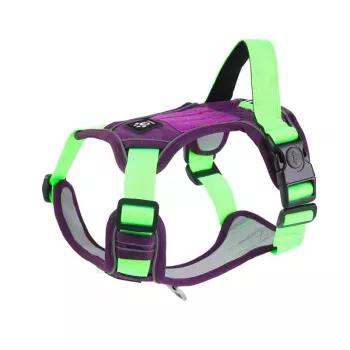
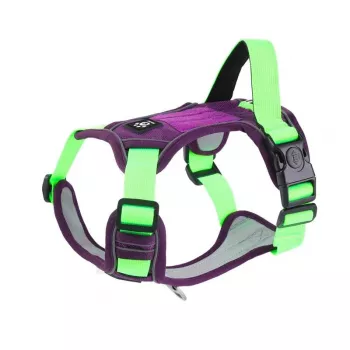
No-Pull Reflective Adjustable Dog Harness with Easy Strap-On Design
A well-designed harness can make walks calmer, safer, and more comfortable—especially for dogs that lunge, pull, or get excited at the door. This no-pull harness focuses on three practical needs: better handling, visibility in low light, and a quick strap-on fit that reduces the daily struggle of getting geared up. When the fit is stable and the leash connection stays consistent, it becomes easier to reinforce good habits like walking near your side and pausing politely at corners. For more guidance, see Best Dog Harnesses of 2026 (Reviewed by a Dog Trainer).
What makes this harness different
Some harnesses feel bulky, slide around, or take too long to put on—problems that show up fast when a dog is bouncing at the doorway. A no-pull reflective adjustable harness is built for real-world routines where speed, security, and visibility matter. For further reading, see 4 Best No-Pull Dog Harnesses to Stop Pulling on Leash.
- No-pull control: Helps redirect forward momentum during walks, reducing strain compared with collar-only walking for many dogs.
- Reflective detailing: Improves visibility for early-morning or nighttime outings and adds an extra safety layer near roads and driveways.
- Adjustable straps: Support a more secure fit across the chest and torso, helping prevent shifting and reducing the chance of slipping out.
- Easy strap-on design: Speeds up getting ready, which is especially useful for dogs that dislike gear pulled over the head or get impatient.
- Everyday versatility: Works well for neighborhood walks, training sessions, and quick errands where a stable harness matters.
Comfort and safety features to look for during real walks
Fit and comfort aren’t just “nice to have.” They directly affect how well a dog can learn leash manners and how confidently you can handle sudden distractions.
- Pressure distribution: A harness should spread force across the chest and body rather than concentrating it at the neck.
- Secure buckles and strap pathways: Straps should lie flat, avoid twisting, and stay snug without pinching.
- Chafe prevention: Watch for rubbing behind the front legs and along the chest; adjust so the harness stays in place while allowing movement.
- Visibility: Reflective elements are most helpful when they can be seen from multiple angles (especially side and front/neck areas).
- Handling stability: A stable fit helps maintain consistent leash communication, supporting training and reducing sudden jolts.
For training fundamentals that pair well with a no-pull setup, the American Kennel Club’s loose leash walking tips and the ASPCA’s leash training guidance are solid references.
Fit and adjustment: a quick checklist
A no-pull harness only works as intended when it’s properly fitted. If it’s too loose, it can rotate, ride up, or allow a clever dog to back out; too tight, and it can restrict movement or rub.
- Measure girth (widest part of the ribcage) and neck/chest area according to the product’s sizing guidance before ordering.
- Aim for a snug fit that still allows two fingers under straps; overly loose harnesses can shift or allow backing out.
- After putting it on, test movement: your dog should sit, stand, and walk without the harness riding into the armpits.
- Recheck fit after the first few walks—straps can settle, and posture often changes once a dog relaxes.
- If your dog is between sizes, prioritize chest girth and adjustability; a stable chest fit is usually the difference between secure and slippery.
Fitting steps and what to verify
| Step | What to check | Why it matters |
|---|---|---|
| 1. Strap on and buckle | Buckles fully clicked; straps not twisted | Prevents unexpected loosening and discomfort |
| 2. Adjust chest/torso straps | Two-finger snugness; no gapping | Reduces shifting and risk of backing out |
| 3. Check armpit clearance | Harness sits clear of the front-leg crease | Helps prevent rubbing and sore spots |
| 4. Short indoor test | Dog can sit/lie down comfortably | Confirms range of motion before outdoor use |
| 5. First outdoor walk review | No slipping, twisting, or hotspots | Ensures fit holds under real movement |
Using no-pull features effectively
No-pull design is most helpful when it’s part of a predictable routine. Think of it as a steering assist: it can reduce the “drag,” but it won’t replace practice.
Reflective visibility and nighttime walking tips
Care, durability, and daily use
When this harness is a strong match
In-stock picks
- No-Pull Reflective Adjustable Dog Harness with Easy Strap-On Design
- Levi’s Men’s White Short-Sleeve T-Shirt
- Calvin Klein Jeans Women’s Grey Print Wallet with Zip Fastening
FAQ
Can a no-pull harness stop pulling completely?
A no-pull harness can reduce leverage and help you redirect movement, but it usually won’t erase pulling by itself. Consistent loose-leash training, good timing with rewards, and a secure fit make the biggest difference, and results vary by dog and environment.
How tight should an adjustable harness be?
Use the two-finger rule: snug enough that you can slide two fingers under the straps, but not so tight that it restricts breathing or shoulder movement. Make sure there’s clearance at the armpits and that the harness can’t shift enough for your dog to back out.
Are reflective harnesses enough for night walks?
Reflective elements help most when they’re illuminated, so they’re excellent near streetlights and traffic but less effective on very dark paths. For low-light routes, adding a small safety light and using extra caution at crossings improves visibility and safety.













Leave a comment