-
Shop
- Advanced Technologies
- AI Career Advantage Collection
- AI Skills
- AI Skills for Creators & Freelancers
- AI Client Management
- AI Ethics
- AI Mindset
- AI Tools & Prompts
- AI Writing & Content Creation
- Audio, Voice & Music
- Design & Visual Creation
- Email, Messaging & Communication
- Freelancing & Business
- Marketing, Ads & Conversion
- Productivity, Workflow & Automation
- SEO & Search Optimization
- Social Media Content & Growth
- Strategy, Planning & Analytics
- Video Creation & Editing
- AI Skills Mastery 2026 Collection
- Car Accessories
- Confidence
- Dating & Social Skills
- Digital Resources
- AI & Technology
- Beauty
- Budgeting & Saving
- Car Buying & Ownership
- Cozy Feast Collection
- Electronics & Technology
- Entrepreneurship & Business Growth
- Financial Education
- Financial Independence
- Financial Mindset & Psychology
- Goal Setting
- Home Styling & Organization
- Kitchen & Recipes
- Leadership
- Mindfulness
- Mindset
- Online Business
- Parenting & Child Development
- Personal Style & Fashion
- Pet Lifestyle & Wellness
- Positive Thinking
- Sleep Improvement
- Smart Life with AI
- Stress Management & Relaxation
- Travel Planning
- Wellness
- Yoga & Fitness
- Yoga & Mind-Body Practices
- Education & Learning
- Family & Parenting
- Fashion
- Accessories
- Alexander McQueen
- Bags
- Bags & Wallets
- Belts
- Blazers
- Bottega Veneta
- Bottoms
- Brunello Cucinelli
- Chloé
- Clothing
- Dolce & Gabbana
- Dresses
- Etro
- Hats & Hair Accessories
- Hoodies & Sweatshirts
- Jacquemus
- Jil Sander
- Kiton
- Luggage
- Miu Miu
- Off-White
- Outerwear
- Rick Owens
- Scarves
- Socks & Tights
- Sweaters & Cardigans
- The Row
- Tom Ford
- Tops & Shirts
- Valentino Garavani
- Vivienne Westwood
- Watches
- Fashion Accessories
- Furniture
- Gadgets
- Health & Beauty
- Health & Wellness
- Home & Garden
- Home Supplies
- Jewelry
- Kids & Babies
- Kitchen
- Kitchen Best-Sellers
- Lighting
- Luxury Brands Collection
- Online Business for Beginners
- Patio, Lawn & Garden
- Personal Growth
- Pet Care
- Pet Supplies
- Pets
- Shoes
- Smart Amazon Shopping
- Smart Home Living Guides
- Sport & Outdoors
- Super Deals
- TikTok Growth & Monetization Mastery
- Travel
- Travel & Adventure
- Wealth
- Popular
- Best deals
Kids’ Screen Time: Healthy Boundaries by Age
Introduction
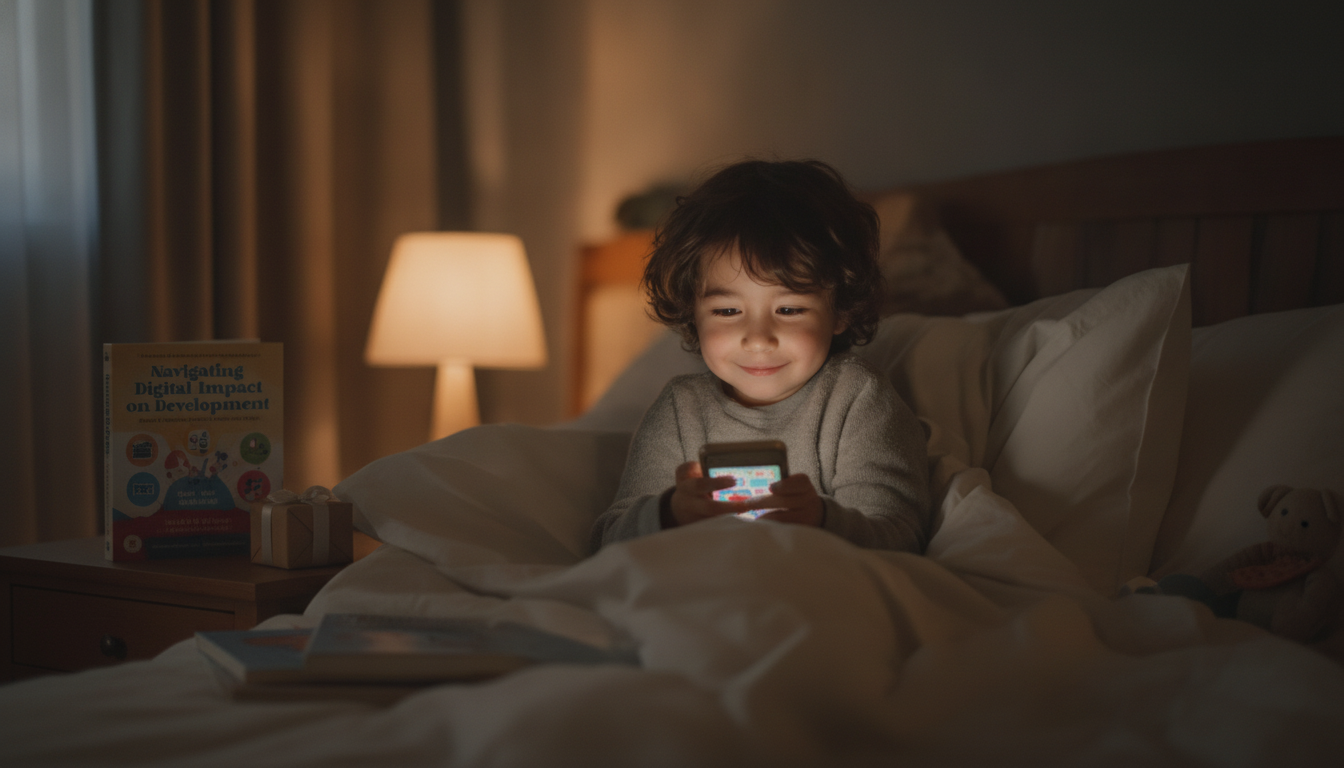
Screens are part of modern childhood, but their impact depends on a child’s age, the content, and how devices fit into daily routines. A practical plan focuses on development first: protecting sleep, movement, attention, relationships, and emotional regulation—while still leaving room for learning, creativity, and connection.
Why Screen Time Can Feel So Hard to Manage
Managing kids’ screen time isn’t just a “willpower” issue—devices are built to keep users engaged. Bright visuals, rapid novelty, reward loops, and endless scrolling can make it tough for children (and adults) to stop once they start.
Real life adds pressure. Many families lean on screens during busy transitions: cooking dinner, commuting, managing errands, or juggling siblings. When screens consistently solve a short-term need (“I just need five quiet minutes”), they can quickly become the default tool.
It also helps to separate types of use. Passive viewing is different from interactive learning, co-viewing with a parent, or creative projects like drawing, building, music, or coding. Boundary conflicts often aren’t “bad behavior” so much as signals of unmet needs—sleep debt, hunger, overstimulation, or too little outdoor time can make any transition harder.
How Screen Use Can Affect Development (What to Watch For)
Screen use affects kids differently depending on temperament, age, and what else is happening in their lives. Still, a few patterns show up often:
- Sleep: Evening screen use can delay bedtime, and notifications can keep kids mentally “on call.”
- Attention and learning: Rapid-cut content and constant switching can make sustained focus harder for some children.
- Language and social development: Background TV and solo viewing can displace conversation and play—especially for younger kids.
- Mood and behavior: Irritability after stopping, frequent conflict, or using screens as the main coping tool can signal imbalance.
- Physical health: Long sedentary stretches can crowd out movement, outdoor time, and motor skill practice.
For research-based guidance, start with the American Academy of Pediatrics recommendations on media and children, and consider movement-and-sleep priorities from the World Health Organization.
Signs Screen Use May Be Crowding Out Healthy Development
| Area | Common signs | What to try first |
|---|---|---|
| Sleep | Bedtime battles, tired mornings, nighttime device checking | Device-free bedroom, earlier cutoff, calming routine |
| Attention | Difficulty starting homework, frequent boredom without screens | Shorter sessions, single-task activities, content limits |
| Mood | Meltdowns when turning off, constant asking, emotional “flatness” | Predictable schedule, transition warnings, replacement coping skills |
| Social | Less family talk, less imaginative play, isolation | Co-viewing, shared games, planned offline playdates |
| Body | Less outdoor play, stiffness, reduced stamina | Movement breaks, active play blocks, screen-free meals |
Age-by-Age Guardrails That Actually Work
Instead of chasing one perfect number of minutes, anchor screen use to developmental needs and predictable rhythms.
- Toddlers and preschoolers: Prioritize hands-on play and language-rich interaction. Choose slow-paced, age-appropriate content, and watch together when possible so screens don’t replace conversation.
- Early elementary: Build routines around school, sleep, chores, and outdoor time before recreational screens. Introduce simple “when/where” rules and use timers consistently.
- Tweens: Shift from pure limits to skill-building—critical thinking about content, privacy basics, and learning to notice emotional changes during use.
- Teens: Focus on autonomy with accountability—sleep protection, phone-free study blocks, and clear expectations for social media and messaging. The APA’s advisory is a helpful reference point for healthy adolescent social media habits.
- Any age: Consistency matters more than perfection. A simple weekly rhythm beats constant negotiating.
A Simple Family Tech Plan (Boundaries Without Power Struggles)
Effective boundaries are clear, calm, and repeatable—so kids don’t have to “guess” each day.
- Define non-negotiables: Device-free bedrooms at night, screen-free meals, and protected school/sleep time.
- Create yes-spaces: Set a daily window where screens are allowed without debate (after priorities are done).
- Use transition cues: Give a 10-minute warning, then 5 minutes, then a simple “save and stop.” Pair shut-off with the next activity so the brain has somewhere to land.
- Make rules visible: Post a short list: when, where, what, and with whom.
- Separate control from connection: Enforce limits neutrally, then reconnect (snack, chat, movement) to reduce rebound meltdowns.
Choosing Better Content and Building Smart Habits
When screens are part of the day, quality matters. Aim for use that supports skills rather than just filling time.
What to Do When Screen Time Is the Only Thing That Calms Them
A Practical Guide for Setting Healthy Tech Boundaries
For step-by-step help, consider Navigating Digital Impact on Development – Practical Parenting eBook, a digital download focused on screen time effects on development, healthy tech boundaries, and smart screen habits for kids.
And because movement is one of the best “screen-time balancers,” adding an easy indoor activity can help kids transition off devices without a fight. The 6PCS Children’s Balance Stepping Stones are a simple way to build active breaks into the day (before homework, between shows, or as an after-dinner reset).
FAQ
How much screen time is reasonable for kids?
A reasonable amount depends on age, content quality, and whether essentials like sleep, school, movement, and relationships are protected. Instead of chasing an exact number, aim for a predictable routine where screens fit after priorities and don’t disrupt bedtime.
How can screen time stop causing daily meltdowns?
Use consistent transition steps (warnings, a timer, “save and stop”) and keep device-free anchors like meals and bedtime non-negotiable. Pair shut-off with a planned replacement activity and practice calming skills at neutral times so coping doesn’t rely on a screen.
Should screens be banned before bedtime?
Protecting sleep usually means an evening cutoff and a device-free bedroom, especially for kids who get wired or snack on endless content. Stimulating videos, games, and notifications are common sleep disruptors, so a calm routine without screens tends to work best.
















Leave a comment