-
Shop
- Advanced Technologies
- AI Career Advantage Collection
- AI Skills
- AI Skills for Creators & Freelancers
- AI Client Management
- AI Ethics
- AI Mindset
- AI Tools & Prompts
- AI Writing & Content Creation
- Audio, Voice & Music
- Design & Visual Creation
- Email, Messaging & Communication
- Freelancing & Business
- Marketing, Ads & Conversion
- Productivity, Workflow & Automation
- SEO & Search Optimization
- Social Media Content & Growth
- Strategy, Planning & Analytics
- Video Creation & Editing
- AI Skills Mastery 2026 Collection
- Car Accessories
- Confidence
- Dating & Social Skills
- Digital Resources
- AI & Technology
- Beauty
- Budgeting & Saving
- Car Buying & Ownership
- Cozy Feast Collection
- Electronics & Technology
- Entrepreneurship & Business Growth
- Financial Education
- Financial Independence
- Financial Mindset & Psychology
- Goal Setting
- Home Styling & Organization
- Kitchen & Recipes
- Leadership
- Mindfulness
- Mindset
- Online Business
- Parenting & Child Development
- Personal Style & Fashion
- Pet Lifestyle & Wellness
- Positive Thinking
- Sleep Improvement
- Smart Life with AI
- Stress Management & Relaxation
- Travel Planning
- Wellness
- Yoga & Fitness
- Yoga & Mind-Body Practices
- Education & Learning
- Family & Parenting
- Fashion
- Fashion Accessories
- Furniture
- Gadgets
- Health & Beauty
- Health & Wellness
- Home & Garden
- Home Supplies
- Jewelry
- Kids & Babies
- Kitchen
- Kitchen Best-Sellers
- Lighting
- Online Business for Beginners
- Patio, Lawn & Garden
- Personal Growth
- Pet Care
- Pet Supplies
- Pets
- Shoes
- Smart Amazon Shopping
- Smart Home Living Guides
- Sport & Outdoors
- Super Deals
- TikTok Growth & Monetization Mastery
- Travel
- Travel & Adventure
- Wealth
- Popular
- Best deals
Seasonal Shedding Checklist: Less Fur, Cleaner Home
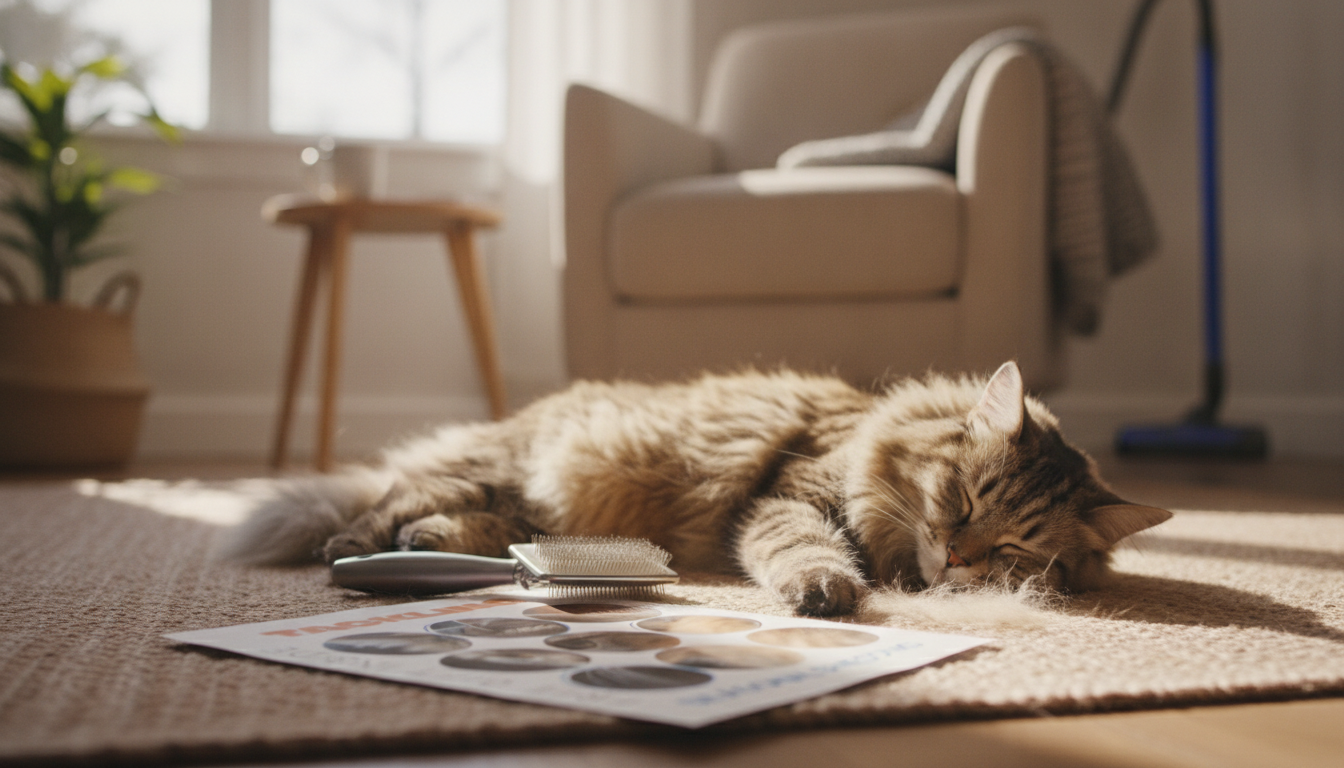
Tackling Seasonal Shedding: An Easy Pet Care Checklist for Cleaner Homes and Happier Coats
Seasonal shedding can turn brushing, cleaning, and coat care into a daily chore—especially during spring and fall coat “blow” periods. A simple routine built around grooming, nutrition, and home cleanup helps reduce loose hair, prevent mats, and keep skin comfortable without guesswork. With a few repeatable habits (and the right tools), most households can stay ahead of tumbleweeds of fur without spending every evening vacuuming.
What Seasonal Shedding Looks Like (and What’s Normal)
Many dogs and cats shed more heavily as daylight and temperature shift, often peaking in spring and fall. Indoor pets can also shed seasonally, sometimes with less obvious “start and stop” timing because artificial lighting and climate control can blur the normal cycle.
- Normal shedding: even, gradual hair loss with healthy skin (no redness, sores, or strong odor).
- Heavier-shedding signs: visible tufts, frequent hair tumbleweeds, faster brush fill-up, or a coat that feels “loose” when you pet against the grain.
- When it may not be seasonal: patchy hair loss, intense itching, persistent dandruff, hotspots, or sudden shedding spikes unrelated to season changes—schedule a veterinary check.
For a baseline overview of common causes and grooming basics, the American Kennel Club and the ASPCA both provide helpful guidance. For deeper skin/coat health resources, Cornell’s veterinary materials are also a reliable reference: Cornell University College of Veterinary Medicine.
Quick Start Routine: Daily, Weekly, and Monthly Actions
Consistency beats marathon grooming sessions. The goal is to remove loose coat before it lands on floors, furniture, and clothing—while also catching tangles early so they don’t turn into mats.
Daily (5–10 minutes)
- Quick brush-through in high-shed zones (neck ruff, hips, tail base).
- Wipe paws (especially after wet walks—mud and grit can increase itching).
- Do a fast lint-roller pass on the couch or the pet’s favorite chair.
Weekly
- Deeper brushing session; check for tangles/mats behind ears, armpits, and the tail area.
- Wash bedding/blankets to reduce hair, dander, and odor.
- Vacuum filters/brush rolls; wipe down baseboards where hair collects.
Monthly
- Bath (as appropriate for coat type and lifestyle).
- Nail trim and ear check.
- A thorough home “reset” (sofa cushions, car seats, vents).
Tip: tie grooming to a predictable cue (after walks or after dinner). When brushing becomes part of the routine, shedding feels manageable instead of urgent.
Seasonal Shedding Checklist (Simple Schedule)
| Task | How often | Time needed | Notes |
|---|---|---|---|
| Brush/comb high-shed areas | Daily | 5–10 min | Short sessions reduce stress and tangles |
| Deep grooming session | Weekly | 15–30 min | Use the right tool for coat type |
| Wash pet bedding/blankets | Weekly | 20–40 min | Reduces hair, dander, and odor |
| Vacuum high-traffic zones | 2–4x/week | 10–20 min | Focus on corners, under furniture |
| Bath (if suitable) | Every 3–6 weeks | 30–60 min | Follow product directions; avoid over-bathing |
| Check skin and coat condition | Weekly | 2–5 min | Look for dryness, redness, hotspots |
Grooming Tools That Make the Biggest Difference
The “best” brush is the one that matches the coat. Using the wrong tool can miss undercoat, pull uncomfortably, or irritate skin—especially during peak shed weeks.
- Slicker brush: helpful for many medium/long coats to catch loose topcoat and minor tangles.
- Undercoat rake or deshedding tool: useful for double-coated breeds; use gentle pressure and short passes to avoid irritation.
- Comb for finishing: confirms tangles are gone (especially behind ears, armpits, and tail).
- Blower/dryer (optional): can lift and remove loose coat after baths; keep airflow moving and avoid overheating.
Best practice: stop if skin becomes pink or sensitive. A slightly shorter session done more often is usually more effective (and kinder) than pushing through discomfort.
Bathing, Skin Comfort, and Coat Health
Bathing can help loosen shedding hair, but too many baths can backfire by drying the skin barrier and increasing flaking.
- Avoid over-bathing: follow a schedule that fits the pet’s coat and lifestyle.
- Rinse thoroughly: leftover shampoo can cause itchiness and a dull coat; rinse until water runs clear.
- Dry completely: damp undercoat can worsen odor and irritation; towel-dry plus low-heat drying helps during heavy shed seasons.
- Watch for irritation: persistent redness, hotspots, or strong odor may require veterinary guidance.
Nutrition and Environment: Simple Support During Coat Changes
Shedding is normal, but the skin and coat still reflect what’s happening inside the body and the home environment.
Keeping the Home Manageable (Without Cleaning All Day)
If better visibility helps you spot hair buildup, tangles, or dusty corners faster, a lighting refresh can make routine grooming and cleaning feel less like guesswork. The guide Turning Your House into a Glowing Retreat: Cozy Home Lighting Tips & Guides can help you plan practical lighting improvements room by room.
Printable + Digital Checklist for Staying Consistent
For a ready-to-use schedule you can print and reuse each shedding season, see Tackling Seasonal Shedding | Easy Pet Care Checklist with Seasonal Shedding Tips | Printable & Digital Download.
FAQ
How long does seasonal shedding usually last?
Often several weeks, sometimes longer depending on breed, coat type, indoor lighting/temperature, and overall health. Many pets peak in spring/fall and taper when brushing and bathing are kept consistent.
What’s the fastest way to reduce loose hair around the house?
Combine short daily brushing with regular bedding washes and targeted vacuuming of edges and pet resting zones. Consistency usually works better than occasional long cleaning sessions.
When should a veterinarian be contacted about shedding?
Contact a veterinarian if shedding is sudden or patchy, paired with severe itching, redness, sores, strong odor, lethargy, or weight changes. Also seek help if dandruff or hotspots persist despite routine care.
















Leave a comment