-
Shop
- Advanced Technologies
- AI Career Advantage Collection
- AI Skills
- AI Skills for Creators & Freelancers
- AI Client Management
- AI Ethics
- AI Mindset
- AI Tools & Prompts
- AI Writing & Content Creation
- Audio, Voice & Music
- Design & Visual Creation
- Email, Messaging & Communication
- Freelancing & Business
- Marketing, Ads & Conversion
- Productivity, Workflow & Automation
- SEO & Search Optimization
- Social Media Content & Growth
- Strategy, Planning & Analytics
- Video Creation & Editing
- AI Skills Mastery 2026 Collection
- Car Accessories
- Confidence
- Dating & Social Skills
- Digital Resources
- AI & Technology
- Beauty
- Budgeting & Saving
- Car Buying & Ownership
- Cozy Feast Collection
- Electronics & Technology
- Entrepreneurship & Business Growth
- Financial Education
- Financial Independence
- Financial Mindset & Psychology
- Goal Setting
- Home Styling & Organization
- Kitchen & Recipes
- Leadership
- Mindfulness
- Mindset
- Online Business
- Parenting & Child Development
- Personal Style & Fashion
- Pet Lifestyle & Wellness
- Positive Thinking
- Sleep Improvement
- Smart Life with AI
- Stress Management & Relaxation
- Travel Planning
- Wellness
- Yoga & Fitness
- Yoga & Mind-Body Practices
- Education & Learning
- Family & Parenting
- Fashion
- Fashion Accessories
- Furniture
- Gadgets
- Health & Beauty
- Health & Wellness
- Home & Garden
- Home Supplies
- Jewelry
- Kids & Babies
- Kitchen
- Kitchen Best-Sellers
- Lighting
- Online Business for Beginners
- Patio, Lawn & Garden
- Personal Growth
- Pet Care
- Pet Supplies
- Pets
- Shoes
- Smart Amazon Shopping
- Smart Home Living Guides
- Sport & Outdoors
- Super Deals
- TikTok Growth & Monetization Mastery
- Travel
- Travel & Adventure
- Wealth
- Popular
- Best deals
How to Walk in Heels Without Pain (Strut Smart Tips)
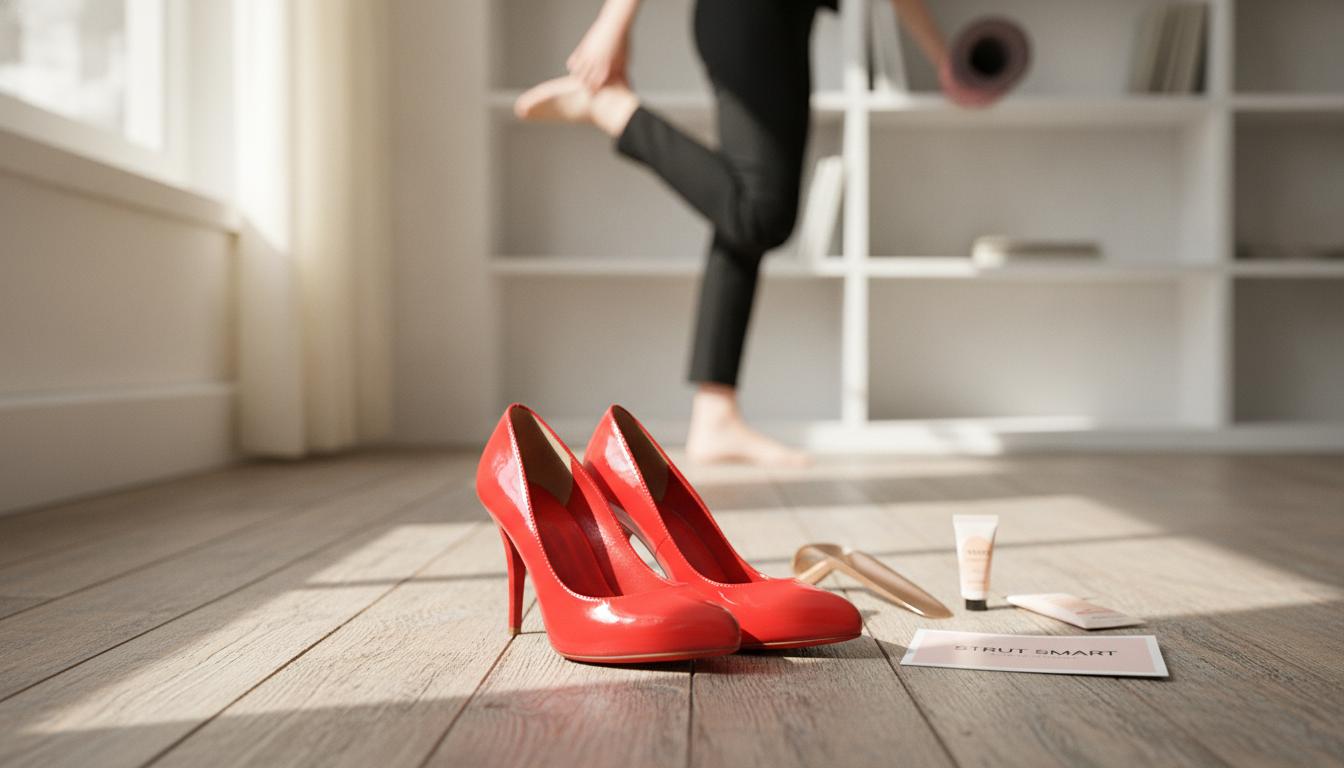
Strut Smart: Pain‑Free Heels Made Easy
Heels can look great, but pain usually comes from a few predictable problems: too much pressure on the forefoot, poor stability, and fit issues that force the foot to slide or grip. With smarter heel choices, simple prep, and the right walking technique, it’s possible to feel steady and stay comfortable for longer stretches. For more guidance, see How To Walk In Heels Comfortably & Confidently – CHARLES & KEITH.
Why heels hurt (and what’s actually happening)
High heels change how your body distributes weight and how your foot interacts with the shoe. The discomfort is rarely “random”—it usually follows a few common patterns. For further reading, see 10 Tips to Walk in High Heels Without Pain, with Expert Advice.
- Forefoot pressure spikes as heel height rises, concentrating load under the ball of the foot.
- Ankles and calves work overtime to stabilize, which can trigger tight calves, Achilles irritation, and fatigue.
- Toes claw for grip when the foot slides forward, leading to hot spots, blisters, and numbness.
- Narrow toe boxes compress toes and can aggravate bunions, calluses, and nerve irritation.
- Thin heels amplify wobble, making muscles overcorrect and leaving you sore after a short wear time.
For foot and ankle health basics and common pain patterns, see guidance from the American Academy of Orthopaedic Surgeons (AAOS).
Picking heels that feel better from the first step
Comfort starts with the geometry of the shoe: heel base, pitch, toe box, and how securely the upper holds your foot in place.
- Aim for supportive shapes: block heels, wedges, and platforms typically feel steadier than thin stilettos.
- Check pitch (the slope): a small platform under the forefoot can reduce how steep the foot feels.
- Prioritize a secure upper: ankle straps, Mary Jane straps, or snug vamps help prevent sliding and toe gripping.
- Choose a wider toe box to reduce compression and rubbing; avoid pointed toes for long wear if prone to pain.
- Look for cushioning under the ball of the foot and a firmer heel counter to help with alignment.
- Pick grippy outsoles or add traction to reduce micro-slips that create blisters and instability.
Common heel styles and comfort tradeoffs
| Style | Stability | Typical pressure points | Best for | Notes |
|---|---|---|---|---|
| Block heel | High | Ball of foot, sometimes arch | Walking and events with standing | Often the easiest transition style |
| Wedge | High | Arch/instep if stiff | Outdoor surfaces and longer wear | Watch for stiff straps that rub |
| Platform heel | Medium–High | Toes if sliding, ankle fatigue | Reducing steep pitch | Secure straps matter |
| Stiletto | Low–Medium | Ball of foot, ankle strain | Short, controlled wear | Most sensitive to surface and fit |
| Kitten heel | Medium | Ball of foot, heel rub | Office wear, shorter commutes | Can still pinch if toe box is narrow |
Fit checks that prevent blisters and burning
A heel can be “your size” and still hurt if your foot is sliding, lifting, or being squeezed in the wrong place. Do these quick checks before committing to a long day.
- Test for forward slide: stand up and gently press toes toward the front; if the foot slides easily, expect ball-of-foot pain and toe gripping.
- Confirm heel hold: the heel should not lift more than a small amount when walking; excessive lift leads to rubbing and blisters.
- Mind the width: pressure along the sides of the forefoot usually means the shoe is too narrow, even if length seems fine.
- Use simple add-ons: gel forefoot pads for pressure, heel grips for slip, moleskin for hot spots, toe sleeves for rubbing areas.
- Break in gradually: short sessions at home (with socks if the style allows) can soften stiff areas without overdoing wear time.
If pain is persistent or worsening, review general foot pain guidance from MedlinePlus to help decide when to scale back and seek care.
How to walk in heels without pain: technique that reduces strain
Even perfect heels can feel rough with a “marching” stride or a forward lean. These technique cues reduce jarring and keep weight from dumping into the forefoot.
Practice drills for steadiness (5 minutes a day)
If you want a simple way to make balance practice feel less boring, 6PCS Children’s Balance Stepping Stones can turn short stability sessions into a quick routine (use them barefoot or in socks on a safe surface).
Stay comfortable during long wear
Aftercare: quick recovery for feet and calves
A structured plan to make heels easier
For a step-by-step approach that combines fit fixes, walking technique, practice routines, and comfort tools, use the guide: Strut Smart: Pain‑Free Heels Made Easy – A Complete Guide on How to Walk in Heels Without Pain.
FAQ
How long should it take to break in a new pair of heels?
Plan on several short wear sessions over a few days rather than one long day right away. Stop when you feel a hot spot, protect the area with padding, and avoid forcing stiff shoes to “stretch” by wearing them for hours.
What heel height is usually easiest to walk in comfortably?
Lower to mid heights are usually easiest for most people, especially when paired with a wider heel base. Stability and pitch matter as much as height, and a small platform can make a taller heel feel less steep.
Why do toes go numb in heels and what should be done?
Numb toes often come from compression (a narrow toe box) or forward slide that irritates nerves. Switch to a wider toe box, improve heel hold with grips/straps, add forefoot cushioning, and stop wearing the shoes if numbness persists.















Leave a comment