-
Shop
- Advanced Technologies
- AI Career Advantage Collection
- AI Skills
- AI Skills for Creators & Freelancers
- AI Client Management
- AI Ethics
- AI Mindset
- AI Tools & Prompts
- AI Writing & Content Creation
- Audio, Voice & Music
- Design & Visual Creation
- Email, Messaging & Communication
- Freelancing & Business
- Marketing, Ads & Conversion
- Productivity, Workflow & Automation
- SEO & Search Optimization
- Social Media Content & Growth
- Strategy, Planning & Analytics
- Video Creation & Editing
- AI Skills Mastery 2026 Collection
- Car Accessories
- Confidence
- Dating & Social Skills
- Digital Resources
- AI & Technology
- Beauty
- Budgeting & Saving
- Car Buying & Ownership
- Cozy Feast Collection
- Electronics & Technology
- Entrepreneurship & Business Growth
- Financial Education
- Financial Independence
- Financial Mindset & Psychology
- Goal Setting
- Home Styling & Organization
- Kitchen & Recipes
- Leadership
- Mindfulness
- Mindset
- Online Business
- Parenting & Child Development
- Personal Style & Fashion
- Pet Lifestyle & Wellness
- Positive Thinking
- Sleep Improvement
- Smart Life with AI
- Stress Management & Relaxation
- Travel Planning
- Wellness
- Yoga & Fitness
- Yoga & Mind-Body Practices
- Education & Learning
- Family & Parenting
- Fashion
- Fashion Accessories
- Furniture
- Gadgets
- Health & Beauty
- Health & Wellness
- Home & Garden
- Home Supplies
- Jewelry
- Kids & Babies
- Kitchen
- Kitchen Best-Sellers
- Lighting
- Online Business for Beginners
- Patio, Lawn & Garden
- Personal Growth
- Pet Care
- Pet Supplies
- Pets
- Shoes
- Smart Amazon Shopping
- Smart Home Living Guides
- Sport & Outdoors
- Super Deals
- TikTok Growth & Monetization Mastery
- Travel
- Travel & Adventure
- Wealth
- Popular
- Best deals
Desktop UF Membrane Water Filter: Clear Taste, No Clutter
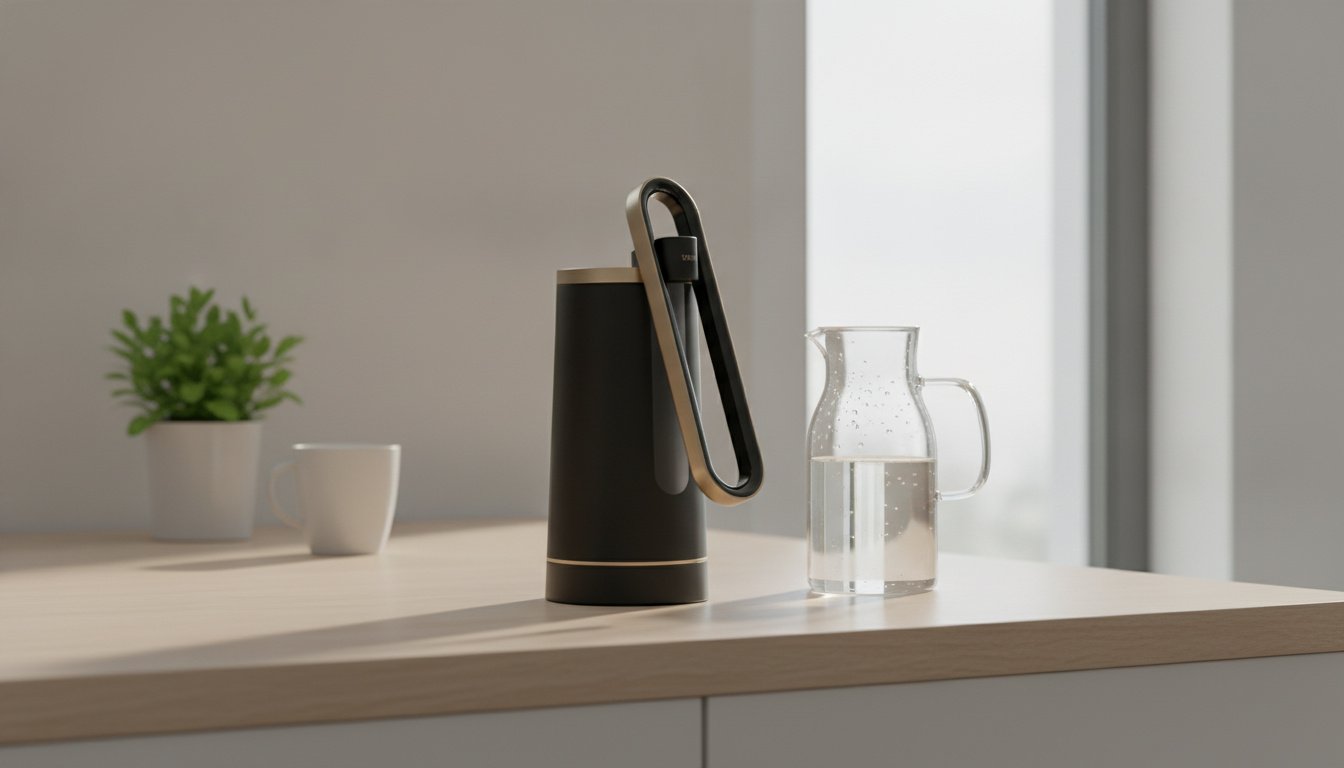
High-Efficiency Desktop UF Membrane Filter Water Purification System: Clean Water Without the Counter Clutter
A desktop UF membrane filtration system is built for anyone who wants clearer, better-tasting water without drilling, permanent plumbing changes, or giving up valuable under-sink space. UF (ultrafiltration) is especially attractive in rentals, offices, and shared kitchens because it can add an extra barrier against fine particles and many microorganisms while typically keeping naturally occurring minerals that contribute to taste. Below is a practical guide to how UF works, what it can and can’t do, where it fits best, and how to keep performance steady over time. For more guidance, see Membrane Technologies in Wastewater Treatment: A Review – PMC.
What a Desktop UF Membrane System Is (and Who It’s For)
A desktop UF system is a compact, countertop water purifier designed for everyday drinking and cooking water. Instead of relying on chemical dosing or high-pressure desalination, it uses a membrane barrier to physically reduce very small particles and many microbes—often without stripping minerals the way some other technologies can. For further reading, see [PDF] the efficiency of ultrafiltration membranes at removing toc and thmfp ….
- Compact countertop format: A good fit for daily use when you want filtration close to where you fill cups, kettles, and pots.
- UF membrane filtration: Helps reduce fine particulates and many bacteria-sized contaminants (depending on the membrane rating and system design).
- Common fit: Apartments, rentals, dorm-style living, office break rooms, RV-style temporary setups, and as a secondary “polishing” step in kitchens.
- Best use case: Municipal or otherwise treated water where the goal is improved clarity, taste, and an added layer of protection.
How UF Filtration Works in Daily Use
Desktop UF systems are typically straightforward: water enters the unit, passes through one or more protective stages, and then flows through the UF membrane before dispensing. Many models don’t require a storage tank, which can make placement simpler and reduce concerns about stagnant water sitting for long periods.
- Pre-filtration first: A sediment stage (when included) helps reduce sand, rust, and silt so the membrane is less likely to clog prematurely.
- Membrane barrier: The UF membrane acts like a very fine sieve, holding back suspended solids and many microorganisms based on pore size.
- Often tankless: Without a bulky tank, countertop placement is easier and cleanup around the unit can be simpler.
- Real-world performance varies: Feed-water quality (turbidity), temperature, and maintenance practices can all impact flow rate and filtration consistency.
| Element | What it does | What to watch |
|---|---|---|
| Sediment stage (if included) | Reduces sand, rust, silt to protect downstream media/membrane | Replace when flow drops or the filter visibly discolors |
| UF membrane | Reduces fine particulate and many microbes for clearer water | Can foul with high turbidity; follow the maker’s maintenance guidance |
| Carbon stage (common pairing) | Improves taste/odor; can reduce chlorine and some organics | Replace on schedule to avoid taste/odor rebound |
| Housing & seals | Keeps filtration contained and leak-free | Inspect O-rings and fittings during filter changes |
What It Can Remove vs. What It Won’t
UF is best understood as a “clarity and microbarrier” technology. It is commonly effective for turbidity and suspended solids, and it can reduce many bacteria-sized contaminants depending on membrane specifications and overall system configuration. Many desktop UF systems also pair UF with activated carbon to improve taste and odor, especially for chlorinated municipal supplies.
For broader contaminant context and health guidelines, review authoritative references such as the U.S. Environmental Protection Agency (EPA) drinking water contaminants overview, NSF treatment system standards and certifications, and the World Health Organization (WHO) drinking-water guidelines.
Placement, Setup, and Practical Fit on a Countertop
Maintenance That Keeps Flow High and Water Consistent
Why a Desktop UF System Can Be a Smart Upgrade (Small-Footprint, High-Throughput Focus)
Product Spotlight: High-Efficiency Desktop UF Membrane Filter Water Purification System
The High-Efficiency Desktop UF Membrane Filter Water Purification System is designed for countertop convenience with UF membrane-based filtration. It’s a practical choice for daily drinking water needs when portability and simplicity matter, and it pairs well with renters or anyone who wants clearer water without committing to permanent installation. Check current pricing, availability, and photos on the product page before purchasing.
Quick purchase reference
| Item | Price | Availability |
|---|---|---|
| High-Efficiency Desktop UF Membrane Filter Water Purification System | $1350.99 | In stock |
More In-Stock Picks You May Like
- Turning Your House into a Glowing Retreat: Cozy Home Lighting Tips & Guides (in stock) — Helpful if you’re upgrading a kitchen or break room and want the whole space to feel more comfortable.
- 6PCS Children’s Balance Stepping Stones (in stock) — A family-friendly option if you’re also setting up a more active home routine.
FAQ
Does a UF membrane system remove viruses?
UF systems commonly target fine particles and many bacteria-sized contaminants, but virus removal depends on the membrane pore size, overall design, and whether the unit includes added disinfection. For higher-risk sources, confirm performance claims and consider UV or another disinfection method.
Is UF better than reverse osmosis for countertop use?
UF is often simpler for countertop use and typically preserves minerals with little to no wastewater, while reverse osmosis is better for reducing dissolved salts (TDS) and certain dissolved contaminants. The better choice depends on whether your main issue is taste/clarity or high TDS and specific dissolved targets like nitrate or fluoride.
How often should UF filters be replaced?
Replacement timing varies with water quality and usage, but many households land in the range of every few months to about a year depending on the stage. Reduced flow, changes in taste/odor, or visible sediment buildup are common signs it’s time, and keeping the pre-filter fresh helps protect the UF membrane.
Recommended for you

Stay Calm When Plans Change: A 60-Second Reset
Jun 21, 2026
How to Walk in Heels Without Pain (Strut Smart Tips)
Jun 21, 2026













Leave a comment