-
Shop
- Advanced Technologies
- AI Career Advantage Collection
- AI Skills
- AI Skills for Creators & Freelancers
- AI Client Management
- AI Ethics
- AI Mindset
- AI Tools & Prompts
- AI Writing & Content Creation
- Audio, Voice & Music
- Design & Visual Creation
- Email, Messaging & Communication
- Freelancing & Business
- Marketing, Ads & Conversion
- Productivity, Workflow & Automation
- SEO & Search Optimization
- Social Media Content & Growth
- Strategy, Planning & Analytics
- Video Creation & Editing
- AI Skills Mastery 2026 Collection
- Car Accessories
- Confidence
- Dating & Social Skills
- Digital Resources
- AI & Technology
- Beauty
- Budgeting & Saving
- Car Buying & Ownership
- Cozy Feast Collection
- Electronics & Technology
- Entrepreneurship & Business Growth
- Financial Education
- Financial Independence
- Financial Mindset & Psychology
- Goal Setting
- Home Styling & Organization
- Kitchen & Recipes
- Leadership
- Mindfulness
- Mindset
- Online Business
- Parenting & Child Development
- Personal Style & Fashion
- Pet Lifestyle & Wellness
- Positive Thinking
- Sleep Improvement
- Smart Life with AI
- Stress Management & Relaxation
- Travel Planning
- Wellness
- Yoga & Fitness
- Yoga & Mind-Body Practices
- Education & Learning
- Family & Parenting
- Fashion
- Fashion Accessories
- Furniture
- Gadgets
- Health & Beauty
- Health & Wellness
- Home & Garden
- Home Supplies
- Jewelry
- Kids & Babies
- Kitchen
- Kitchen Best-Sellers
- Lighting
- Online Business for Beginners
- Patio, Lawn & Garden
- Personal Growth
- Pet Care
- Pet Supplies
- Pets
- Shoes
- Smart Amazon Shopping
- Smart Home Living Guides
- Sport & Outdoors
- Super Deals
- TikTok Growth & Monetization Mastery
- Travel
- Travel & Adventure
- Wealth
- Popular
- Best deals
Walk in High Heels Without Pain: 5 Easy Fixes
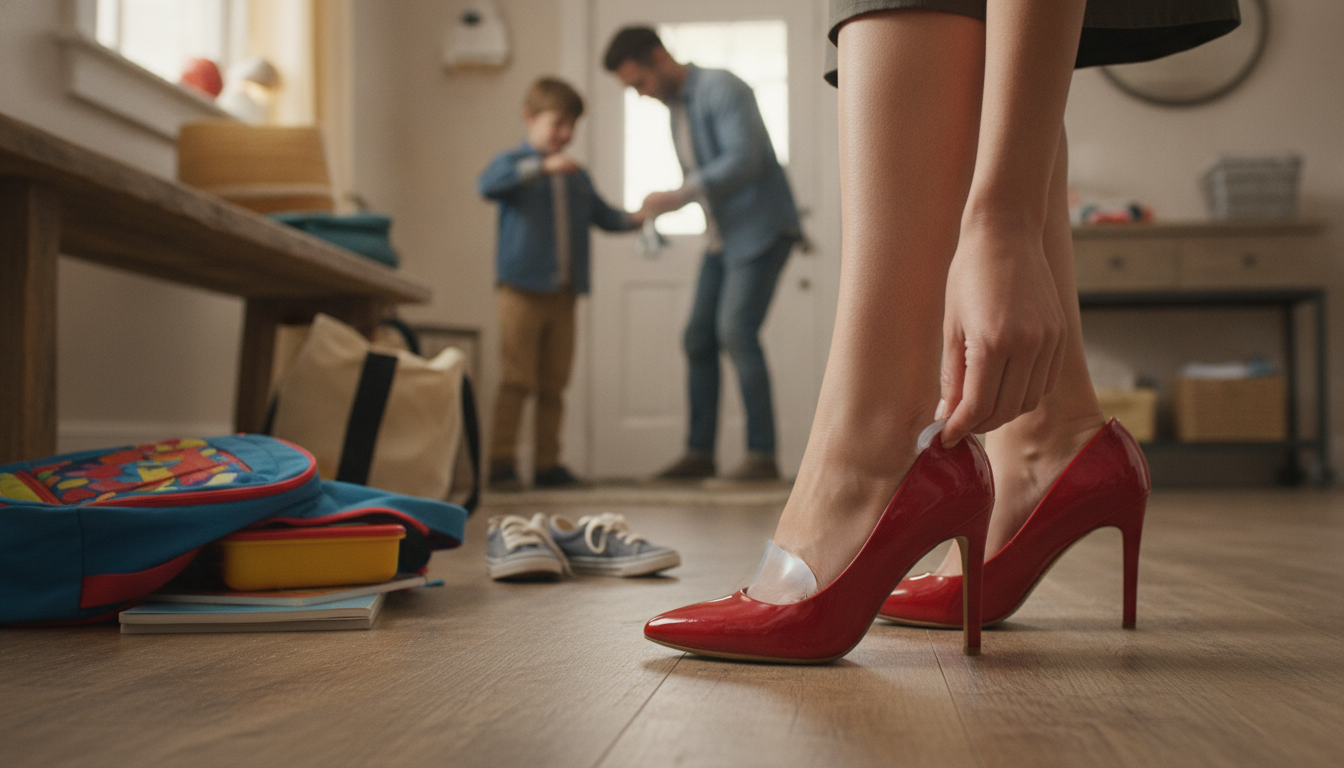
How to walk on high heels without pain?
Walking in heels without pain starts before you even leave the house: choose a stable pair, prep your feet, and use a stride that works with the shoe—not against it. Small adjustments make a big difference in how your arches, toes, and lower back feel after a few hours.
Answer
1) Pick the right heel shape and fit. A block heel or wedge is typically easier on your feet than a thin stiletto, and a platform can reduce the angle on the ball of your foot. Make sure your toes aren’t crammed and your heel isn’t slipping—both cause friction and pressure points fast.
2) Add cushioning where it counts. Use ball-of-foot pads or cushioned insoles to absorb impact and reduce burning under the forefoot. If the back of the shoe rubs, try heel grips to prevent blisters and stop your foot from sliding forward.
3) Adjust your walk. Take shorter steps, keep your core engaged, and land heel-to-toe (not toe-first). Think “quiet steps”: a controlled, softer landing reduces jarring and helps you balance without tensing your toes.
4) Break them in strategically. Wear heels at home for short intervals, then increase time gradually. If a spot feels tight, use a shoe stretcher or wear thicker socks briefly at home to ease pressure (without forcing pain).
5) Plan relief breaks. If you’ll be on your feet for a while, bring foldable flats or sandals and switch during commutes or longer standing periods. A 5-minute break to sit, roll your ankles, and wiggle your toes can reset discomfort before it turns into real pain.
For more detailed tips on posture, padding options, and common mistakes to avoid, visit this guide on walking in heels without pain.
FAQ
How do I prevent blisters when wearing heels?
Use heel grips or moleskin on rub points, and apply an anti-chafe balm before putting shoes on. Make sure your heel isn’t slipping—movement is what creates most blisters.
Recommended for you


45L Collapsible Bins (Set of 3) for Home & Car
Jul 30, 2026
Synthetic Leather Casual Tote: Easy Shoulder Carry
Jul 31, 2026












Leave a comment